What to Check Before You Commit to a Supplier
A competitive quotation, quick sample, and polished supplier profile can look convincing. They do not necessarily show who will manufacture the goods, whether the factory controls quality consistently, or whether its equipment, documents, staffing, and available capacity fit your order.
A supplier audit, also called a factory audit, gives buyers on-site evidence before they commit a deposit, tooling, branding, production time, or customer promises. The aim is not to find a perfect factory. It is to identify gaps, judge their severity, and decide what must change before the purchase order moves forward.
The 20 red flags below cover supplier transparency, production capability, quality ownership, material and document control, packaging readiness, capacity, subcontracting, and inspection access.
Before paying a deposit, share the factory location, product, order quantity, specifications, timeline, and main concerns so the audit can focus on the risks that matter to your order.
20 Supplier Audit Red Flags Before Ordering
One finding rarely tells the whole story. Review each red flag against the product risk, order value, timeline, evidence available, and the supplier's willingness to explain or correct the issue.
Red flag 01
The factory profile is unclear or inconsistent
Different company names, addresses, or production roles can hide a trading-company relationship or an undisclosed production site.
Check the legal name, audited address, production role, and the site that will make the goods.
Red flag 02
The sales contact cannot explain production capability
A supplier that cannot describe its process, equipment, constraints, or bottlenecks may have limited control over production.
Ask which lines, processes, and critical equipment will be used for your product.
Red flag 03
The factory is poorly organized
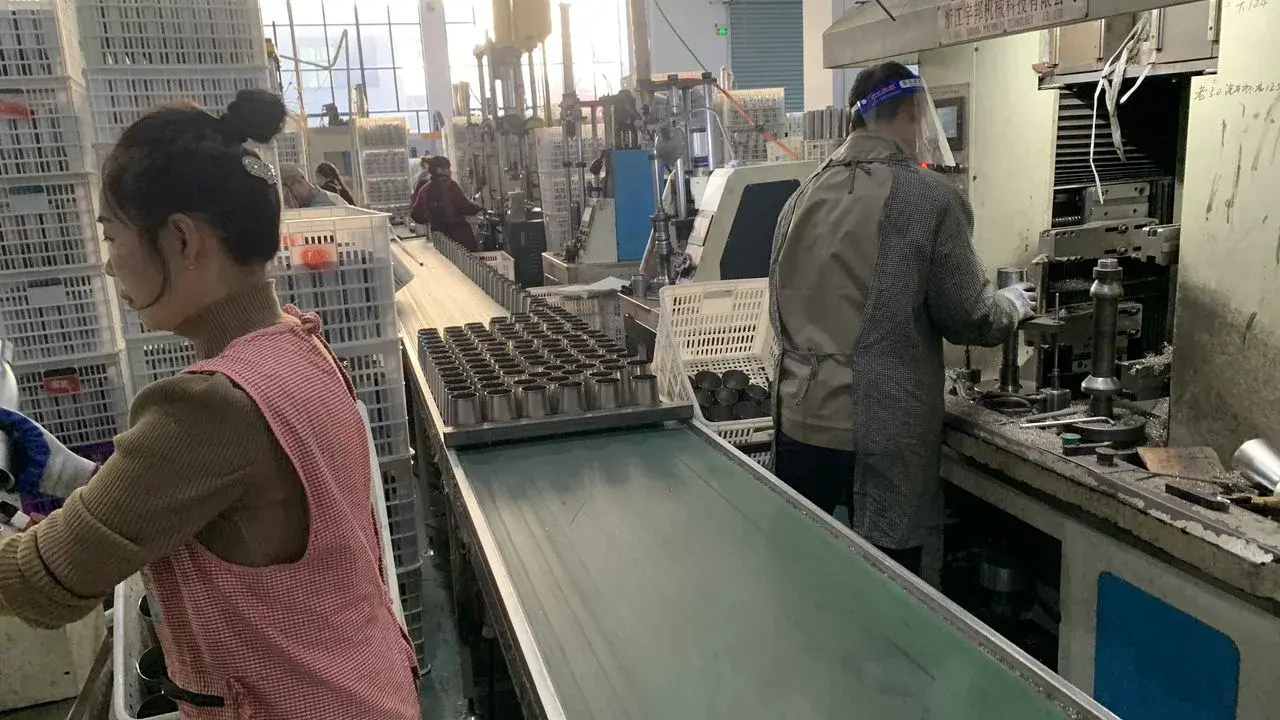
Mixed work areas, unclear storage, or weak separation of accepted and rejected goods can cause damage, contamination, and order mix-ups.
Review warehouses, workstations, inspection points, rejected goods, and finished-carton storage.
Red flag 04
Production flow does not match the order
The factory may be accepting work that needs unfamiliar equipment, skills, materials, or process controls.
Compare the product requirements with the observed line setup, operators, equipment, and sample process.
Red flag 05
Key equipment is missing or poorly maintained
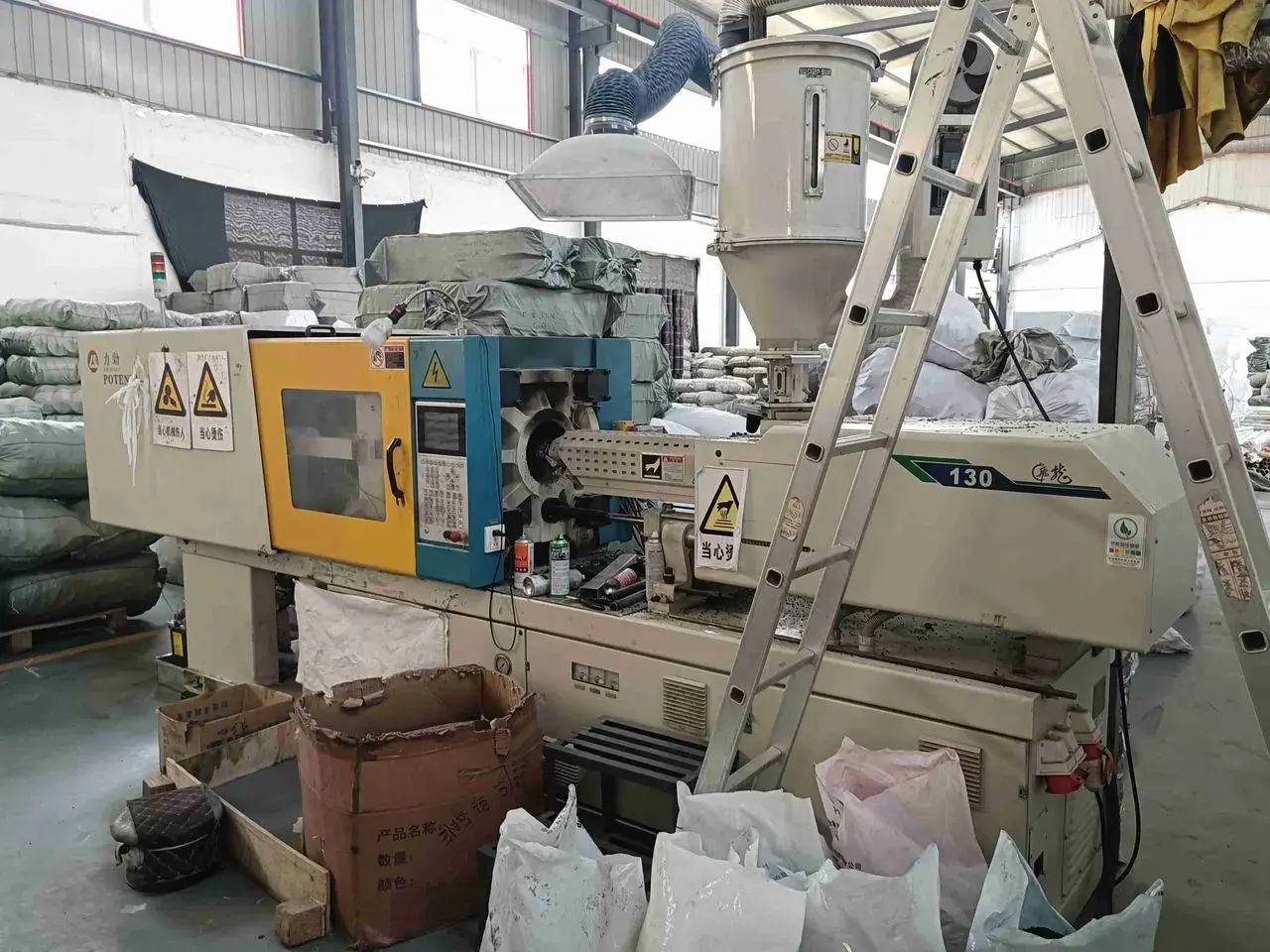
Idle, damaged, or unsuitable machinery can affect output, consistency, specifications, and delivery timing.
Check visible condition, maintenance records where available, measuring-tool calibration, and backup arrangements.
Red flag 06
Quality-control responsibilities are unclear
When nobody owns incoming, in-process, final, and packaging quality, defects can remain unnoticed until packing.
Identify who checks each stage, records results, approves rework, and closes corrective actions.
Red flag 07
Incoming materials are not controlled
Wrong, damaged, substituted, or inconsistent inputs can cause failures even when assembly looks acceptable.
Check receiving, identification, storage, approval, segregation, and traceability practices.
Red flag 08
There is no controlled specification or approved sample
Operators may work from memory, assumptions, or outdated drawings, colors, tolerances, and packaging files.
Confirm the current specification, sample, artwork, dimensions, tolerances, and revision history.
Red flag 09
Work instructions are missing or outdated
Different lines, shifts, and operators may use inconsistent methods when current instructions are not available at the workstation.
Verify that production, quality, and packing instructions are current, visible, and understood.
Red flag 10
In-process inspection is weak or informal
Defect patterns can spread through the batch when checks happen irregularly or results are not recorded and reviewed.
Ask where checks occur, what is recorded, who reviews results, and how nonconforming units are handled.
Red flag 11
Final inspection is the only quality-control step
Finding defects only after production is complete leaves less time for root-cause correction and makes rework more expensive.
Look for incoming and in-process controls before the final packed-goods check.
Red flag 12
Defect classifications are not understood
The supplier may accept issues that the buyer treats as critical, major, or minor when definitions are not agreed.
Define defect categories and examples before production, then carry them into later inspection checklists.
Red flag 13
Corrective-action records are missing
Recurring problems may be repaired temporarily without investigating why they happened or preventing recurrence.
Request examples showing the problem, root cause, action, owner, deadline, and verification.
Red flag 14
Finished-goods storage creates risk
Goods can be damaged, mixed, exposed to moisture, or mishandled after production but before loading.
Check stacking, moisture and pest exposure, order segregation, labels, and handling conditions.
Red flag 15
Packaging materials are not controlled
Retail boxes, manuals, inserts, barcodes, labels, and cartons can be outdated, damaged, missing, or mixed between SKUs.
Verify approved artwork, version control, storage, carton marks, and packaging-component identification.
Red flag 16
Barcode and label checks are absent
Incorrect SKU, FNSKU, UPC, warning, country-of-origin, or carton labels can create receiving, listing, compliance, and customer-service problems.
Confirm who verifies code data, scannability, placement, assortment, and carton markings before packing.
Red flag 17
Capacity claims lack visible evidence
A supplier may promise an unrealistic output rate when its lines, staffing, workload, equipment, or peak-season schedule are already constrained.
Compare claimed output with line count, cycle time, staffing, active orders, schedule, and bottlenecks.
Red flag 18
Subcontracting is not disclosed
Hidden outsourced processes reduce traceability and can weaken control over materials, workmanship, timing, and packaging.
Identify every outsourced process, site, approval method, incoming check, and quality responsibility.
Red flag 19
Communication is reactive or evasive
Vague answers, unavailable documents, and reluctance to discuss corrective action can become more serious once production and payment pressure increase.
Look for clear answers, available records, named owners, realistic deadlines, and written follow-up.
Red flag 20
The supplier resists buyer-side inspection
Resistance to audit access, product inspection, or pre-shipment inspection can signal a transparency problem or weak confidence in the process.
Agree audit access, inspection stages, timing, reporting, and corrective-action expectations before the purchase order.
How to Prioritize Audit Findings
A red flag is a prompt for a decision, not an automatic rejection. Classify the finding by severity and decide what evidence or correction is needed before proceeding.
| Risk level | Typical examples | Buyer response |
|---|---|---|
| High | Unclear production site, refused inspection, hidden subcontracting, no quality owner, missing specifications | Pause approval, demand evidence and corrective action, or compare another supplier |
| Medium | Weak in-process checks, poor document control, packaging gaps, capacity concerns | Use corrective actions, a smaller trial order, and tighter production checkpoints |
| Lower but relevant | Housekeeping, incomplete records, unclear simple work instructions | Set a deadline and verify improvement during production or before shipment |
What Is a Supplier Audit?
A supplier audit is an on-site review of a factory's profile, organization, facilities, equipment, production flow, quality controls, documentation, staffing, and operational readiness. It is most useful before onboarding a supplier, placing an important order, or increasing volume.
It does not check a completed shipment and cannot guarantee future performance. Product inspections later in production are still needed to compare the actual goods with the buyer's specifications, approved sample, packaging requirements, and defect rules.
Why Supplier Audit Red Flags Matter
Many shipment problems begin as process problems. Weak document control can put obsolete artwork into production. Poor material separation can mix components between orders. Unclear quality responsibility can allow defects to continue until the goods are packed.
- Importers gain evidence before committing a deposit or purchase order.
- Private-label and ecommerce brands can protect product and packaging consistency earlier.
- Amazon FBA sellers can expose barcode, label, packaging, and assortment-control gaps before shipment.
- Procurement teams can compare suppliers using documented observations rather than sales claims alone.
Supplier Audit vs Product Inspection
Use each control at the stage where it can still influence the decision. A supplier audit helps decide whether to work with the factory. Inspection services evaluate the actual order as production begins, continues, finishes, or loads.
| Control | Best timing | Decision supported |
|---|---|---|
| Factory Audit | Before onboarding, ordering, or scaling | Is the supplier suitable, and what must be corrected? |
| Initial Production Check | At production start | Are materials, components, and first pieces aligned? |
| During Production Inspection | While production is running | Are trends and recurring defects appearing early? |
| Pre-Shipment Inspection | When enough goods are finished and packed | Do the finished goods appear ready to ship? |
What to Prepare Before the Audit
A product-specific audit is more useful than a generic visit because the auditor can compare the observed factory setup with the planned product, quantity, quality expectations, packaging, and timeline.
- Factory legal name, full address, and contact person.
- Product description, photos, target quantity, and production timeline.
- Specification sheet, drawings, approved sample, materials, dimensions, tolerances, colors, and finish.
- Packaging artwork, manuals, inserts, barcodes, labels, carton marks, and shipping marks.
- Known risks from samples, previous orders, supplier communication, or customer complaints.
- Defect classifications, critical checks, and later inspection requirements.
Turn Audit Findings Into Inspection Checks
The audit should shape the controls used later. If barcode control is weak, the pre-shipment checklist should include scan tests, code data, placement, SKU assortment, and carton markings. If measurement control is weak, add critical dimensions, tolerances, measuring methods, and photo evidence.
If the audit reveals weak separation of rejected goods or recurring workmanship problems, use a during production inspection while the factory still has time to correct the process—not only a final check after the whole order is packed.
When to Request a Factory Audit
Request a factory audit before onboarding a new supplier, placing a high-value or complex order, increasing volume, approving a new production site, or continuing with a supplier whose capability and controls are unclear.
For repeat suppliers, consider another audit when the factory moves, adds a product line, changes key processes, repeatedly misses quality expectations, or begins subcontracting important work.
FAQ
FAQ: Supplier Audit Red Flags
01What is the biggest red flag in a supplier audit?
+
There is no universal single answer, but an unclear production site, undisclosed subcontracting, refusal of buyer-side inspection, and no clear quality-control owner deserve immediate attention because they weaken transparency and control before the order starts.
02Is a supplier audit the same as a product inspection?
+
No. A supplier audit reviews factory capability, organization, facilities, processes, quality systems, and risk. A product inspection checks actual goods at a defined production stage against buyer requirements.
03Should every new supplier be audited?
+
An audit is especially useful for larger orders, complex or private-label products, new production sites, suppliers that will become long-term partners, and cases where identity, capacity, quality control, or subcontracting is unclear. The decision should reflect order value and risk.
04Can a supplier pass an audit and still make defective goods?
+
Yes. An audit is a capability and risk review, not a guarantee for every future batch. Use initial, during-production, or pre-shipment inspections to check the actual order against specifications and approved references.
05What should I do when an audit finds red flags?
+
Classify each issue by severity, request evidence and corrective action, assign a deadline, and verify closure. Depending on the risk, you may delay approval, reduce the first order, change payment milestones, add production inspections, or select another supplier.
06Where can Asia Product Inspections support factory audits?
+
Factory Audit support is available across the company's covered sourcing markets: China, Vietnam, India, Indonesia, Pakistan, and the Philippines. The scope should be confirmed from the factory location, product, order stage, and specific risk concerns.