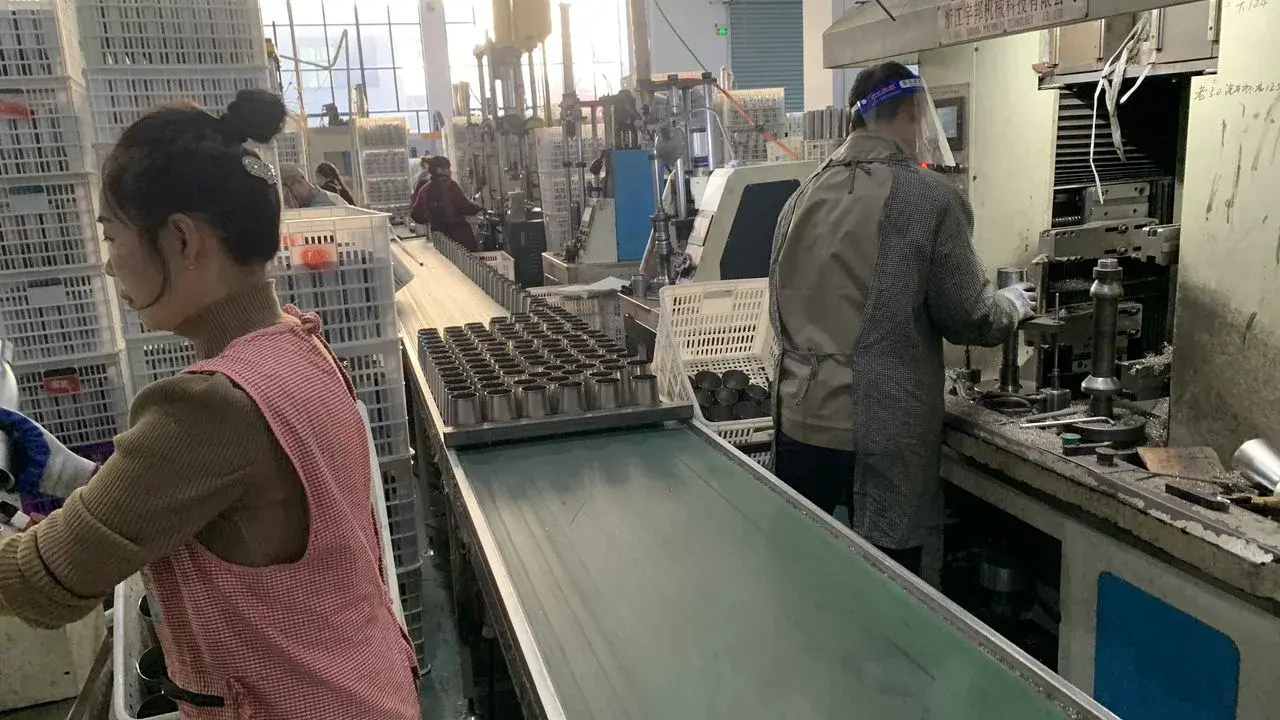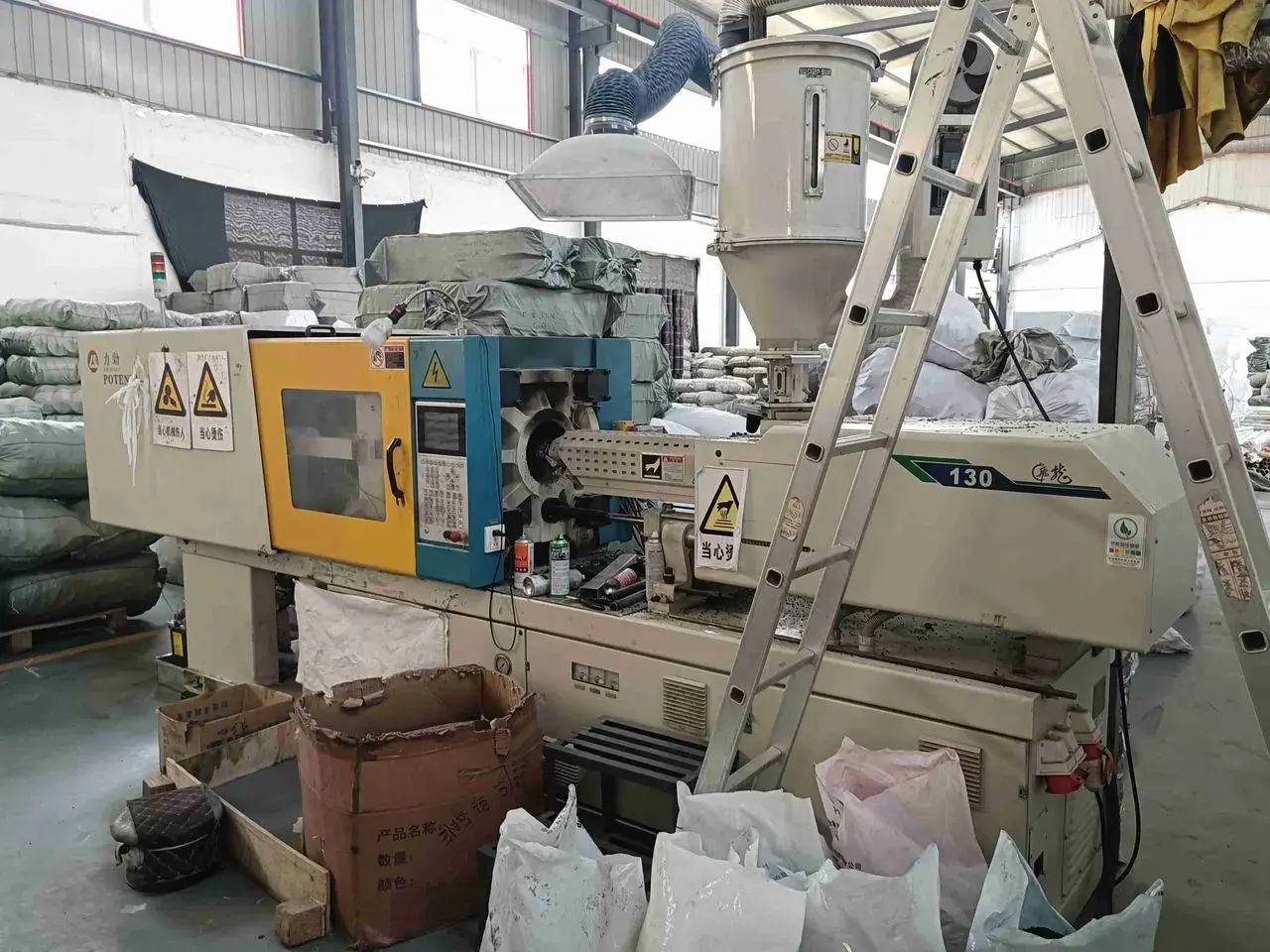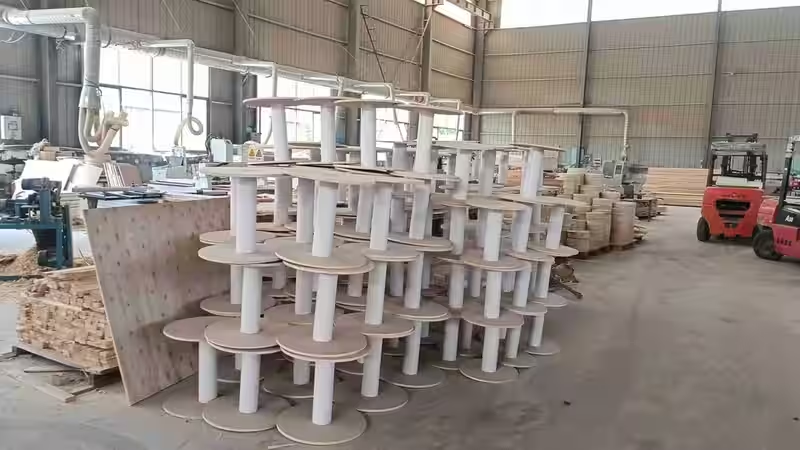
Choosing a supplier is one of the most important decisions an importer makes. Before you place a purchase order, pay a deposit, or move from samples to mass production, you need more than product photos, a low price, and fast replies from a sales contact.
A factory audit checklist helps you assess whether a supplier appears organized, capable, and ready to produce your goods according to your expectations. It gives importers, Amazon FBA sellers, ecommerce brands, private label businesses, sourcing managers, and procurement teams a more structured way to review supplier risk before committing money and production time.
For businesses importing from China or importing from Asia, a factory audit can support better supplier decisions before problems become expensive. It does not guarantee supplier performance or product quality, but it can reveal practical risks around factory organization, facilities, production flow, quality control, documentation, capacity, and operational readiness.
Planning to place an order with a new supplier? Request a factory audit before paying a deposit so you can better understand supplier capability and operational risk.
What a Factory Audit Can and Cannot Do
| Factory Audit Can Help You | Factory Audit Cannot Promise |
|---|---|
| Review supplier organization, facilities, production flow, and quality control processes. | Guarantee future supplier performance, product quality, shipment timing, or compliance. |
| Compare supplier-provided information with on-site observations. | Replace legal due diligence, formal certification, or independent third-party conformity assessment or testing. |
| Identify operational risks before deposit payment or mass production. | Remove the need for product inspections during or after production. |
| Create clearer evidence for supplier selection and internal approval. | Prove that every future production batch will meet buyer expectations. |
A factory audit reduces sourcing uncertainty, but it should often be combined with product inspection, during production inspection, pre-shipment inspection, or container loading supervision depending on the order risk, product complexity, and supplier relationship.
Factory Audit Checklist Table: What to Check and Warning Signs
| Audit Area | What to Check | Why It Matters | Warning Signs |
|---|---|---|---|
| Supplier identity | Company name, registration details, factory address, ownership, export experience, trading company/factory relationship. | Clarifies who the buyer is dealing with before deposit payment. | Different company names, unclear factory address, vague ownership, inconsistent contact details. |
| Facilities and equipment | Production areas, warehouse, packing area, equipment, cleanliness, maintenance organization. | Shows whether the setup appears suitable for the product. | No relevant equipment, poor organization, unsafe or chaotic areas, weak storage control. |
| Production capacity | Production lines, workforce, workload, scheduling, storage and packing capacity. | Helps assess whether the supplier may handle the planned order size and timeline. | Factory appears overloaded, cannot explain capacity, visible bottlenecks, overpromising. |
| Quality control process | Incoming checks, in-process checks, final QC, defect handling, QC staff, inspection records. | Reduces risk of unmanaged defects reaching the shipment stage. | No QC responsibility, no records, defects mixed with accepted goods, no corrective action process. |
| Product experience | Similar products, samples, technical capability, specification understanding, test ability. | Confirms whether the supplier appears familiar with the product type. | Staff cannot explain production steps, no relevant samples, weak understanding of specifications. |
| Materials and components | Raw material storage, component control, identification, protection, traceability, approved materials. | Prevents incorrect, damaged, mixed, or substituted inputs. | Unlabeled materials, poor storage, mixed batches, no incoming check process. |
| Documentation | Specifications, work instructions, QC forms, production records, packing requirements, corrective action records. | Shows whether requirements are controlled and communicated internally. | Missing documents, outdated specs, unclear work instructions, no quality records. |
| Packaging readiness | Packaging area, cartons, labels, barcodes, manuals, carton marks, export packing process. | Reduces future packaging, labeling, and shipment-readiness risk. | Disorganized packaging area, unclear label process, damaged cartons, barcode confusion. |
| Subcontracting risk | Actual production site, outsourced steps, subcontractor control, trading company involvement. | Helps buyers understand who will actually produce the goods. | Supplier avoids questions, site does not match product, no relevant activity on site. |
| Audit report and decision | Photos, findings, risk level, corrective actions, suitability assessment, recommended next steps. | Supports a practical sourcing decision before placing the order. | Generic report, no photos, no risk summary, no clear follow-up actions. |
Before you approve mass production, use this checklist to identify what should be reviewed on site. For a buyer-side factory audit in Asia, contact Asia Product Inspections with your supplier location, product details, and planned order size.
What to Prepare Before a Factory Audit
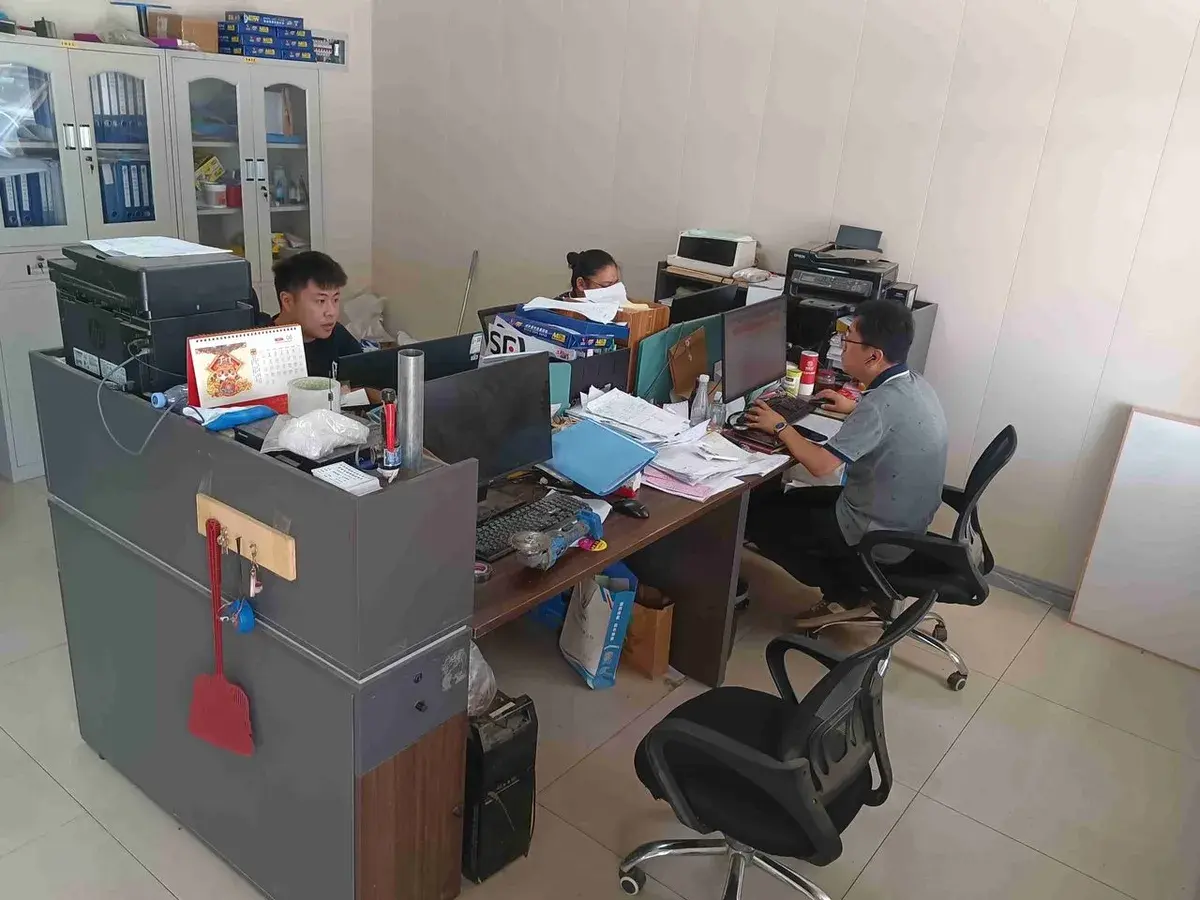
The audit is more useful when the buyer provides clear information before the visit. Prepare the details needed to arrange the supplier audit, focus the scope, and compare on-site observations against your expectations.
| Information to Share | Why It Matters |
|---|---|
| Factory name and location | Needed to arrange the on-site audit and confirm the site to be reviewed. |
| Supplier contact details | Helps coordinate the visit and compare contact information with on-site observations. |
| Product category | Helps focus the audit on relevant production, equipment, materials, and quality control points. |
| Target order quantity | Helps assess whether visible capacity indicators appear aligned with the planned order. |
| Product specifications | Helps the auditor understand buyer requirements and critical product details. |
| Approved sample details, if available | Helps review whether the supplier appears prepared to follow buyer expectations. |
| Packaging and labeling requirements | Helps assess packaging readiness before production starts. |
| Main concerns | Allows the audit scope to focus on supplier identity, capacity, QC, subcontracting, documentation, or other risks. |
| Planned timeline | Helps evaluate production readiness and scheduling risk. |
Need help defining the audit scope? Share the factory location, product category, planned order size, and main supplier concerns with Asia Product Inspections before starting production.
What Is a Factory Audit?
A factory audit is a supplier capability and process review performed before placing an order, onboarding a new supplier, scaling production volume, or continuing with a supplier whose performance is unclear.
Unlike a pre-shipment inspection, which checks finished goods before shipment, a factory audit focuses on the supplier itself. The goal is to understand whether the factory setup, quality control process, staffing, documentation, and production readiness appear suitable for your order.
A factory audit may review factory profile and organization, facilities and equipment, production flow, quality control process, staffing and management structure, document control, operational readiness, and basic capacity indicators.
When Should Importers Request a Factory Audit?
A factory audit is most useful before you commit to a supplier or expand the relationship. It creates a buyer-side checkpoint before deposit payment, sample approval, mass production, or order scaling.
If production is already complete or close to complete, a pre-shipment inspection is usually more appropriate. If production has started but is still running, a during production inspection may be a better checkpoint.
- Before placing your first order with a new supplier.
- Before paying a deposit for a significant purchase order.
- Before moving from approved sample to mass production.
- Before scaling order volume with an existing supplier.
- When supplier performance, capacity, or organization is unclear.
- When comparing several suppliers and needing a structured basis for selection.
- When sourcing from a new country and needing more visibility into the production site.
Factory Audit vs Pre-Shipment Inspection: Do Not Confuse the Two
A factory audit and a pre-shipment inspection both reduce sourcing risk, but they answer different buyer questions.
| Checkpoint | When It Happens | Main Question | Recommended Service |
|---|---|---|---|
| Supplier selection | Before placing or expanding an order | Is this supplier suitable for the order? | Factory Audit |
| Start of production | At the first batch or early production stage | Are materials, first pieces, and readiness aligned? | Initial Production Check |
| Mid-production | While production is still running | Are workmanship, process, or consistency issues appearing early? | During Production Inspection |
| Before shipment | When goods are complete or close to complete | Are the actual finished goods ready to ship? | Pre-Shipment Inspection |
| Loading day | During container loading | Are the right cartons loaded under suitable handling conditions? | Container Loading Supervision |
A factory audit helps answer: Should we work with this supplier? A pre-shipment inspection helps answer: Are these finished goods acceptable before shipment?
Factory Audit Checklist Before Placing an Order
Use the following factory audit checklist before committing to a supplier, paying a deposit, or approving mass production.
Checklist item 1
Supplier Identity, Basic Information, and Red Flags
Importers need to know who they are dealing with and where production is expected to happen. A factory audit can review available supplier information and compare it with on-site observations. This is not a legal guarantee, but it can reveal inconsistencies that should be clarified before placing an order.
Example: An ecommerce business may receive a quotation from one company name, a proforma invoice from another, and a factory address that does not match either. These differences do not automatically prove fraud, but they are warning signs that deserve clarification before deposit payment.
- Supplier name and basic profile.
- Available business license or company registration details.
- Registered company name compared with sales name and invoice name.
- Factory address compared with supplier-provided address.
- Main business activities and product categories handled.
- Ownership and management structure, where available.
- Export experience, where relevant.
- Relationship between trading company and factory, where relevant.
- Inconsistent names, addresses, websites, or contact details.
Checklist item 2
Factory Facilities and Equipment
A supplier may claim they can produce your product, but the physical setup should support that claim. Facilities and equipment give practical evidence of whether production appears realistic, organized, and suitable for the order.
Example: A private label brand with strict finishing requirements should not rely only on sample photos. The factory setup, equipment, and production environment can show whether the supplier appears organized enough to support consistent output.
- Production site condition.
- Workshop organization.
- Cleanliness and general order.
- Production areas and workstations.
- Storage areas and warehouse conditions.
- Packing areas and finished goods areas.
- Equipment and machinery suitability for the product.
- Visible equipment condition and maintenance organization.
- Separation of raw materials, work-in-progress, and finished goods.
Checklist item 3
Production Capacity and Scheduling Risk
A supplier may accept an order even when capacity is tight. If production is rushed, overloaded, or poorly scheduled, quality and delivery reliability can suffer.
Example: A sourcing manager planning to increase monthly order volume should check whether the supplier's facilities, staffing, equipment, production flow, and general capacity indicators appear aligned with the planned scale.
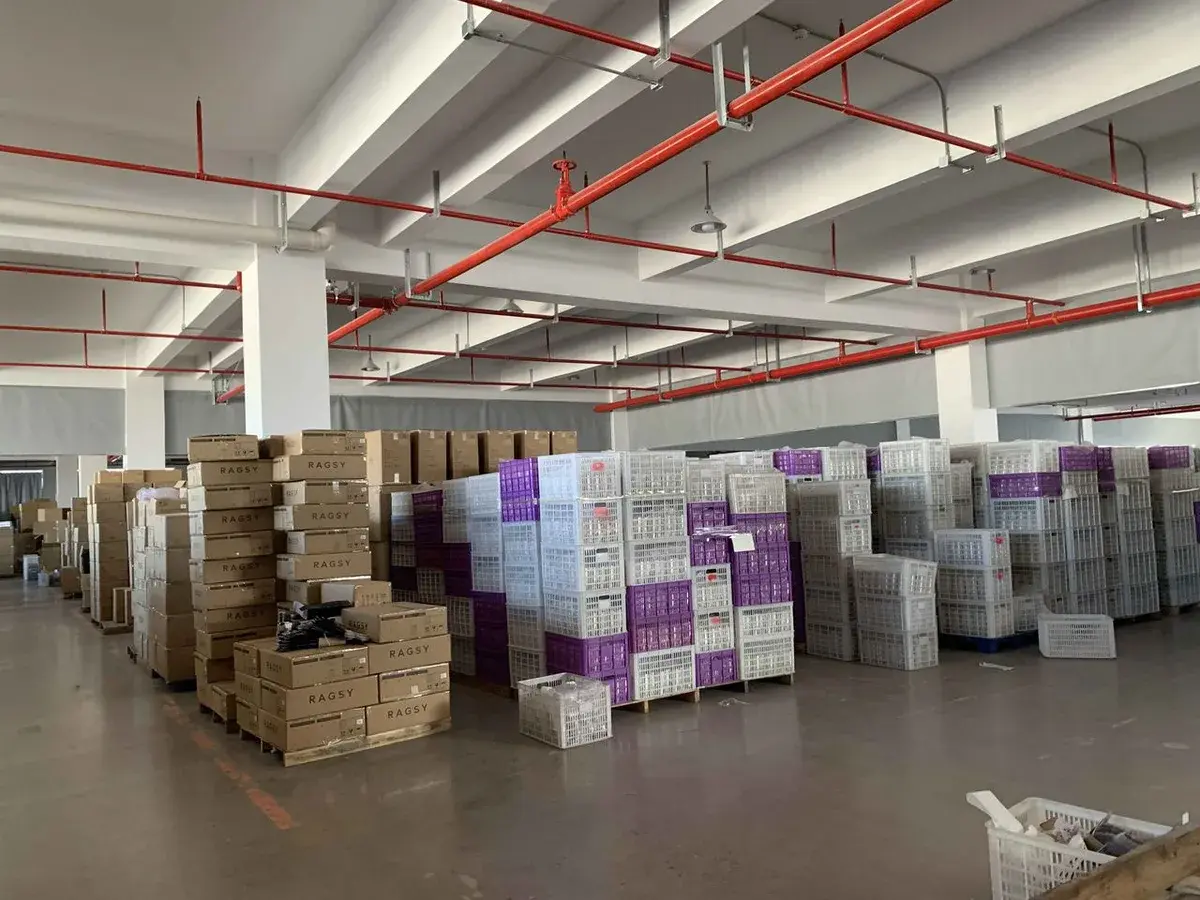
- Number of production lines or work areas.
- Available equipment and workforce organization.
- Current production activity.
- Current workload and visible bottlenecks.
- Storage and packing capacity.
- Production scheduling visibility.
- Ability to meet the planned order timeline.
- Risk of overpromising capacity.
- Basic capacity indicators compared with target order quantity.
Checklist item 4
Quality Management and Supplier Quality Control
Supplier quality control should not happen only at the end of production. A stronger process checks quality at multiple stages and has a clear method for identifying, separating, correcting, and rechecking defects.
Example: An Amazon FBA seller cannot afford a large batch of defective products reaching customers. A supplier audit before production can review whether the factory has visible quality control processes, while a later pre-shipment inspection can check the actual goods, packaging, labels, barcodes, and shipment readiness.
- Incoming material checks.
- In-process quality control.
- Final quality control.
- Product testing process, where relevant.
- Quality control staff or responsible persons.
- Defect tracking and defect classification practices.
- Corrective action process.
- Inspection records, where available.
- Process for separating defective goods.
- Use of buyer specifications, approved samples, or agreed checklists.
Checklist item 5
Product Experience and Technical Capability
A supplier may be capable in one product category but weak in another. The audit should assess whether the factory appears familiar with the product type and able to understand the buyer's technical and quality requirements.
Example: A private label manufacturer audit is especially useful when the product depends on brand-specific details such as finish, color, components, packaging, or functional requirements.
- Experience manufacturing similar products.
- Samples or previous production examples, where available.
- Technical capability related to the product.
- Understanding of buyer specifications.
- Ability to explain critical production steps.
- Product testing ability, where relevant.
- Awareness of critical dimensions, materials, colors, finishes, components, and tolerances.
- Ability to work from a specification sheet, approved sample, packaging standard, or buyer checklist.
Checklist item 6
Materials and Components Control
Many quality problems start before assembly. Poor material control can lead to inconsistent colors, weak construction, incorrect components, product failures, or unexpected quality variation between batches.
Example: For products with specific materials or components, buyers should understand how the factory stores, identifies, and controls inputs before production begins.
- Raw material storage.
- Component storage.
- Material identification and separation.
- Protection from damage, humidity, contamination, or mix-ups.
- Incoming material checks.
- Supplier management practices, where visible.
- Traceability practices, where available.
- Use of approved materials or components.
- Risk of material substitution.
Checklist item 7
Documentation and Compliance Indicators
Documentation helps the supplier follow requirements consistently and helps buyers understand how issues are managed. However, the audit should not be presented as a legal certification or guarantee.
If workplace conditions, labor records, health and safety, or facility management need a deeper review, a Social Compliance Audit may be more appropriate.
Example: A procurement team may need internal evidence before supplier approval. A factory audit report can summarize documentation gaps, operational risks, and recommended follow-up priorities.
- Product specifications and work instructions.
- Quality control forms and inspection records.
- Material records and production records, where available.
- Packing requirements and approved sample references.
- Corrective action records, where available.
- Required product documents, if relevant to the buyer or destination market.
- Internal procedures and document control.
- Basic worker safety practices and facility observations.
- Social compliance indicators, where relevant.
- Environmental or legal compliance indicators, where relevant.
Checklist item 8
Packaging, Labeling, and Storage Capability
Good products can still create problems if packaging and labeling are poorly managed. Packaging readiness is especially important for ecommerce shipments, private label goods, and Amazon FBA orders where barcode, carton label, and packaging errors can create receiving delays or customer complaints.
Example: An Amazon FBA seller should not only ask whether the supplier can make the product. The supplier should also appear capable of managing packaging materials, labels, barcodes, carton markings, and packing accuracy before shipment.
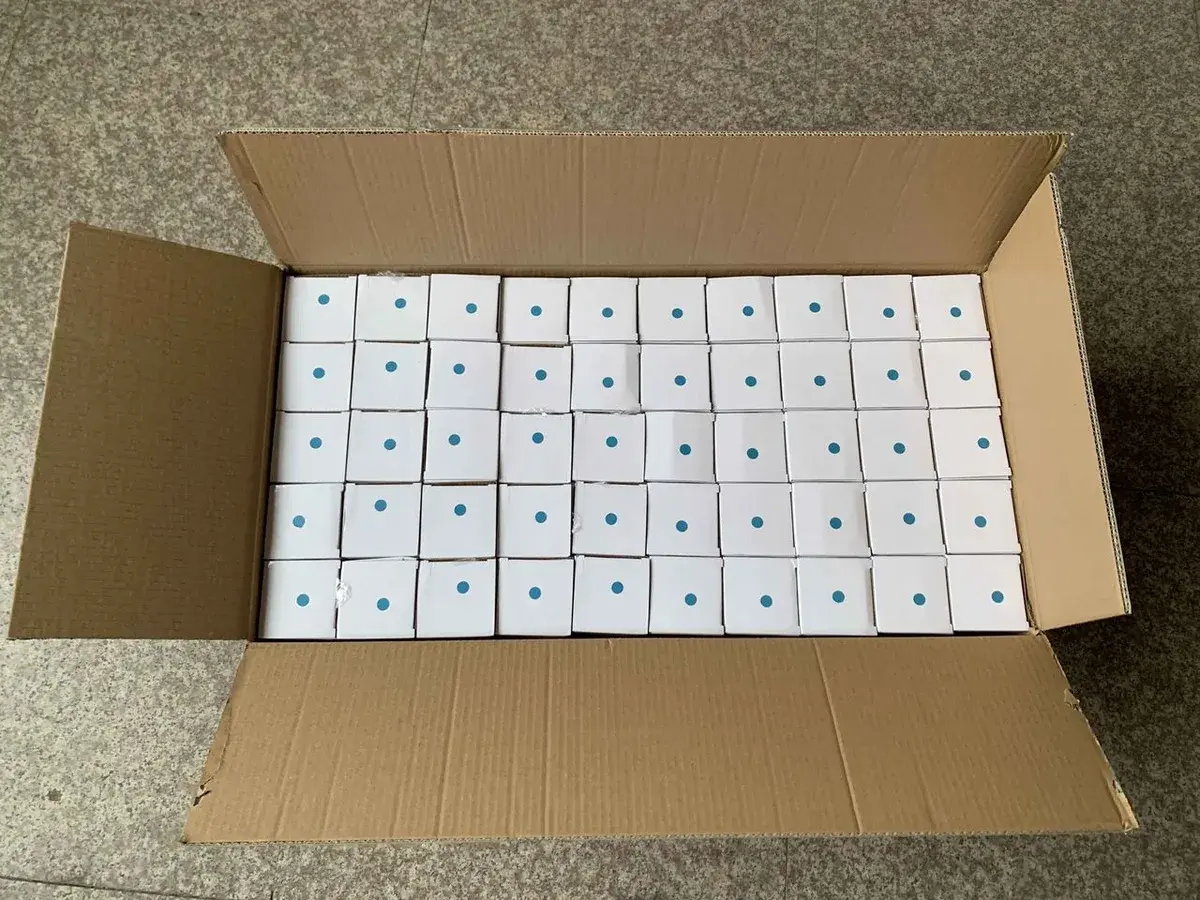
- Packaging area and packing workflow.
- Retail packaging materials.
- Inner packing materials.
- Carton materials and carton storage.
- Label application process.
- Barcode handling process.
- Manual or insert handling.
- Carton marking process.
- Shipping mark preparation.
- Protection against damage, humidity, contamination, or mixed goods.
- Export packaging experience, where relevant.
Checklist item 9
Subcontracting Risk and Trading Company Confusion
Subcontracting is not always bad, but hidden subcontracting creates risk. Buyers need to understand who is actually producing the goods, which production steps happen on site, and whether the supplier can control outsourced work.
Example: A factory audit can help identify whether the visible production site appears aligned with the supplier's claims. If the site has little relevant equipment, unclear production activity, or vague answers about production steps, buyers should request clarification before placing the order.
- Whether production appears to happen at the audited site.
- Whether the supplier is a manufacturer, trading company, or both.
- Whether key production steps may be outsourced.
- Whether subcontractors are disclosed or controlled.
- Whether the audited facility has equipment related to the product.
- Whether staff can explain the production process clearly.
- Warning signs of trading companies presenting themselves as factories.
- Gaps between supplier claims and on-site observations.
Checklist item 10
Audit Report, Corrective Actions, and Buyer Decision
The final audit report should help the buyer make a business decision, not simply collect observations. The most useful factory audit reports connect findings to practical next steps before money, time, and production volume are committed.
Example: If the audit finds manageable issues, the buyer may request improvements before production. If it finds serious concerns, the buyer may compare another supplier, reduce the order size, or delay deposit payment until questions are answered.
- Photo evidence of facilities, equipment, materials, production areas, packaging areas, and risk points.
- Summary of key findings.
- Supplier strengths and weaknesses.
- Operational risk level.
- Quality control concerns.
- Documentation gaps.
- Capacity concerns.
- Corrective actions or follow-up questions.
- Recommendation before order placement.
- Decision options: proceed, negotiate, request improvements, reduce order size, delay order placement, or reject the supplier.
Practical example
Amazon FBA Seller Sourcing from China
An Amazon FBA seller finds a low-cost supplier in China with strong sample photos and quick communication. Before paying a deposit, the seller requests a factory audit to review whether the supplier has a real production setup, suitable packaging area, barcode handling process, and visible quality control process.
Later, once goods are complete, the seller books a pre-shipment inspection to verify product condition, packaging, labels, barcodes, carton markings, and shipment readiness before inventory moves to Amazon or a prep center.
Practical example
Private Label Brand Choosing Between Two Factories
A private label brand receives similar prices from two manufacturers. One factory has better communication, but the other appears to have stronger production organization and quality control records. A private label manufacturer audit helps compare the suppliers using field observations instead of relying only on price, samples, and sales promises.
Practical example
Ecommerce Business Placing Its First Large Order
An ecommerce business plans to move from a small trial order to a larger production run. A factory audit before placing the order helps assess whether the supplier's capacity, material control, packaging readiness, and defect handling process appear suitable for the larger volume.
Practical example
Procurement Team Evaluating a New Supplier in Asia
A procurement team needs internal support before approving a new supplier. A factory audit report can summarize supplier strengths, weaknesses, operational risks, documentation gaps, and recommended next steps, giving the team a clearer basis for supplier approval or follow-up.
What Can Go Wrong When Importers Skip Supplier Verification?
Without a factory audit or supplier verification process, importers may commit to a supplier without understanding the operational risk behind the quotation. A factory audit does not remove every sourcing risk, but it can help buyers make a more informed decision before committing money and production volume.
- The supplier has limited production capacity or accepts more orders than it can handle.
- The quality control process is weak, unclear, or only performed at the end of production.
- The factory organization is poor and communication does not match actual production control.
- Materials and components are stored poorly or substituted without clear control.
- Product specifications are not translated into production instructions.
- Packaging and labeling readiness is weak, creating future shipment or ecommerce problems.
- Production is subcontracted without clear visibility.
- Defective goods are mixed with acceptable goods because rework and separation processes are weak.
- Production delays appear after the deposit has already been paid.
- Final goods require urgent sorting, rework, replacement, or shipment delays.
How Asia Product Inspections Can Help
Asia Product Inspections helps buyers, importers, brands, and sourcing teams reduce supplier risk through on-the-ground inspections, audits, and quality control support across Asia.
For factory audits, the focus is supplier capability and process review before placing or expanding orders. The audit can support buyer decisions by reviewing factory organization, facilities, equipment, production flow, quality control process, staffing, document control, operational readiness, and basic capacity indicators.
Asia Product Inspections can also support different checkpoints across the sourcing cycle, including Product Inspection, Initial Production Check, During Production Inspection, Pre-Shipment Inspection, Container Loading Supervision, and Social Compliance Audit.
Service coverage includes China, Vietnam, India, Indonesia, Pakistan, and the Philippines.
Need to verify a supplier before placing an order? Request a factory audit or supplier audit quote from Asia Product Inspections before you pay a deposit or start mass production.
Conclusion
A factory audit checklist before placing an order helps importers assess supplier capability before committing money, time, and production volume. It gives buyers clearer visibility into supplier identity, factory organization, facilities, equipment, production flow, quality control processes, documentation, capacity, packaging readiness, subcontracting risk, and operational readiness.
For importers, Amazon FBA sellers, ecommerce brands, private label businesses, sourcing managers, and procurement teams, a factory audit is a practical step before paying a deposit or starting mass production.
However, supplier evaluation is only one part of supplier quality control. Once goods are in production or complete, buyers should also consider the right product inspection checkpoint, such as Initial Production Check, During Production Inspection, Pre-Shipment Inspection, or Container Loading Supervision.
Need to assess a supplier before placing an order? Contact Asia Product Inspections to request a factory audit in China, Vietnam, India, Indonesia, Pakistan, or the Philippines.
Already have goods ready to ship? Request a pre-shipment inspection or get a product inspection quote before your supplier ships your goods.
FAQ
FAQ: Factory Audit Checklist Before Placing an Order
01What is a factory audit?
+
A factory audit is a supplier capability and process review performed before placing or expanding orders. It helps buyers understand factory organization, facilities, production flow, quality control processes, staffing, document control, operational readiness, and basic capacity indicators.
02When should I audit a factory?
+
You should audit a factory before onboarding a new supplier, before paying a deposit for a significant order, before moving from sample approval to mass production, before scaling volume, or when supplier performance is unclear.
03Is a factory audit necessary before placing an order?
+
It is not required for every order, but it is useful when supplier risk is high, the order value is significant, the product is complex, the supplier is new, or the buyer cannot visit the factory personally.
04What is the difference between a factory audit and a pre-shipment inspection?
+
A factory audit reviews the supplier before or around the buying decision. A pre-shipment inspection checks the actual finished goods when production is complete or close to complete and the order is ready for shipment.
05Can a factory audit prevent quality problems?
+
A factory audit can reduce risk by identifying supplier weaknesses before production starts, but it does not guarantee product quality. Buyers should often combine factory audits with product inspections, during production inspections, and pre-shipment inspections.
06How do I know if a supplier is a real factory or a trading company?
+
A factory audit can review the production site, supplier-provided information, factory address, equipment, production activity, staffing, and the relationship between the trading company and factory where relevant. If company details, addresses, or production explanations are inconsistent, buyers should request clarification before placing an order.
07What should be included in a factory audit checklist?
+
A factory audit checklist should include supplier identity, factory facilities, equipment, production capacity, quality management, product experience, materials and components control, documentation, packaging and storage capability, subcontracting risk, and an audit report with findings and recommended next steps.
08Do Amazon FBA sellers need factory audits?
+
Amazon FBA sellers may benefit from factory audits when working with a new supplier, placing a large order, or relying on a factory for packaging, labeling, barcode handling, and consistent product quality. A later pre-shipment inspection can verify the finished goods before shipment.
09Should I still book a pre-shipment inspection after a factory audit?
+
Often, yes. A factory audit reviews the supplier before production. A pre-shipment inspection checks the finished products, packaging, labeling, barcodes, cartons, and shipment readiness before goods leave the factory. The two services answer different questions.
10Does a factory audit guarantee supplier performance or compliance?
+
No. A factory audit does not guarantee supplier performance, legal compliance, or future product quality. It provides field observations, risk findings, and practical reporting to support better sourcing decisions.