Verify the Supplier and the Shipment Before You Commit
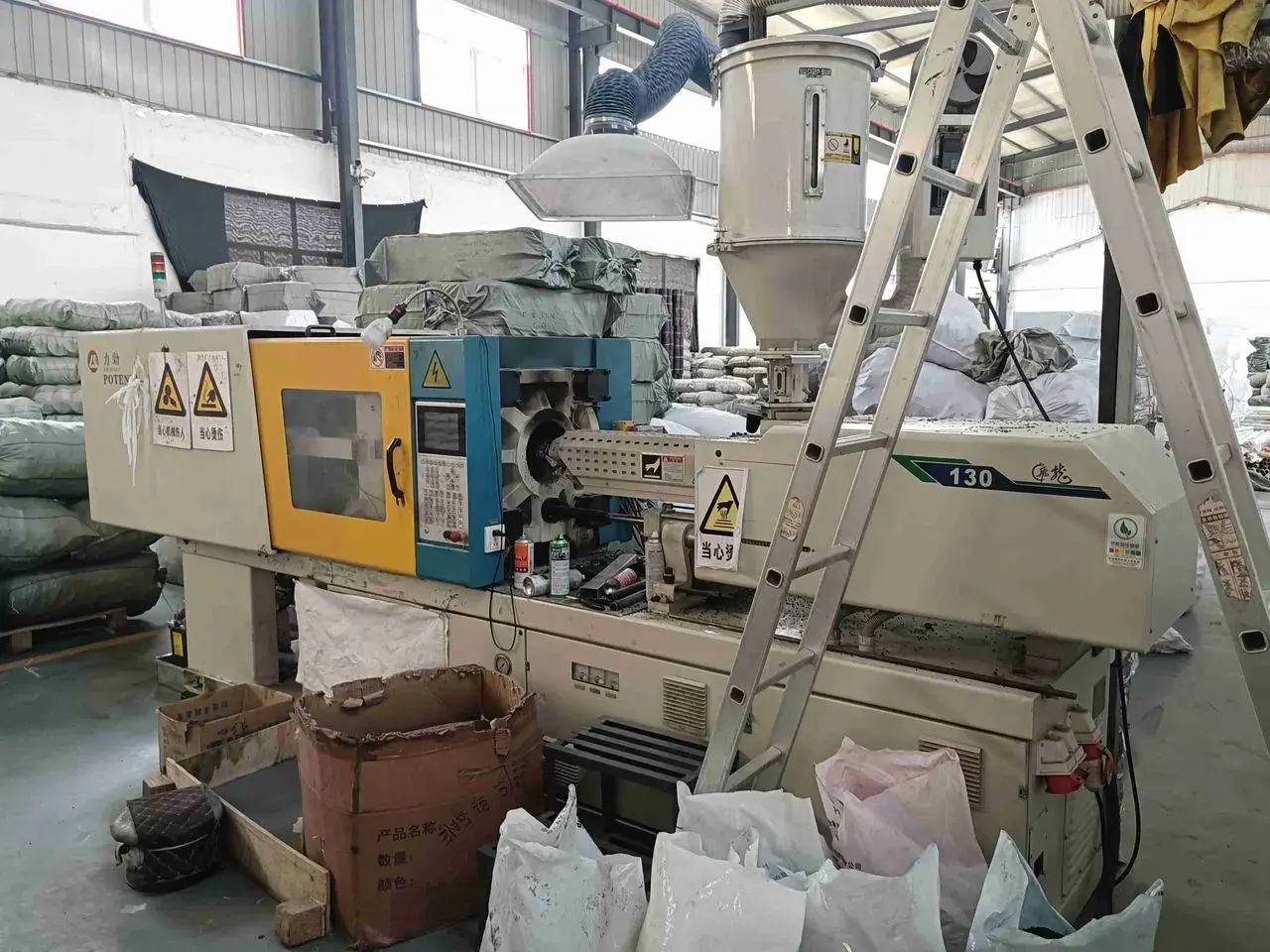
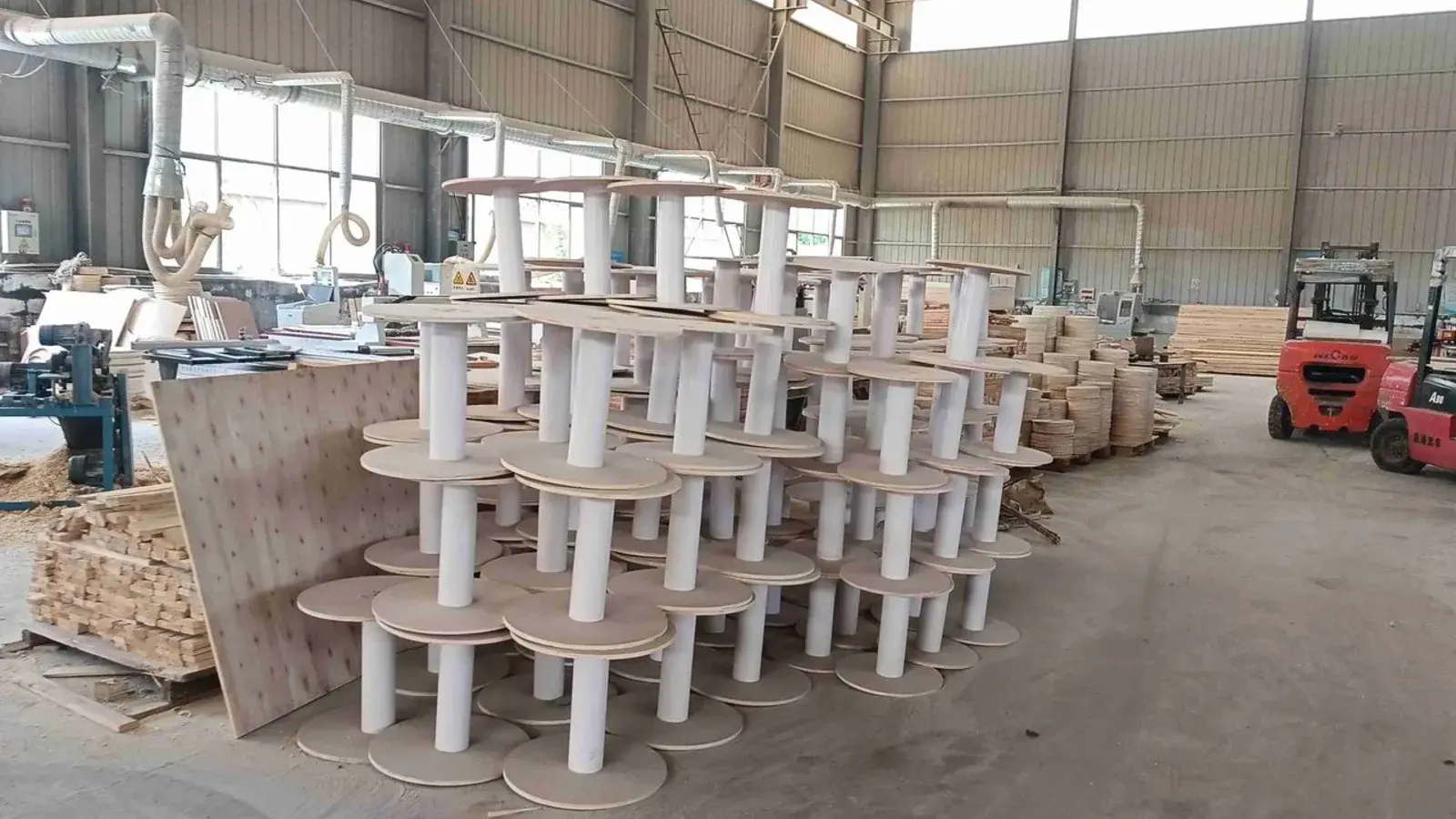
When importing from India, buyers can source textiles, home products, packaging, industrial goods, and many other categories. But a professional website, fast replies, and attractive pricing do not prove that a supplier can consistently produce, inspect, pack, label, and ship your order to specification.
A planned audit and inspection workflow replaces supplier-provided updates with field evidence. It helps buyers check capability before onboarding, catch production drift while correction is still possible, and verify finished goods before final payment or shipment approval.
This guide explains when to use a factory audit, initial production check, during production inspection, pre-shipment inspection, and container loading supervision for orders made in India.
Planning to import from India? Send your product details, factory location, order stage, and target inspection date to confirm the right audit or inspection scope.
Recommended Quality Control Workflow for India Orders
The right sequence depends on order value, supplier history, product complexity, and risk tolerance. A new or high-risk supplier may justify several checkpoints; a proven supplier with a simpler repeat order may need fewer.
| Order stage | Buyer question | Recommended service |
|---|---|---|
| Before supplier approval | Is the supplier suitable for the product and volume? | Factory audit |
| At production start | Are materials, components, and first pieces aligned? | Initial production check |
| During production | Are defects appearing before the order is finished? | During production inspection |
| Before final payment and shipment | Are products, packaging, labels, and cartons acceptable? | Pre-shipment inspection |
| On loading day | Are the right goods loaded correctly and sealed? | Container loading supervision |
India Factory Audit Checklist for Importers
Use these six review areas to turn a general factory visit into an order-specific supplier assessment.
| Audit area | Evidence to review | Risk signal |
|---|---|---|
| Supplier identity | Legal name, site address, business scope, factory ownership, export experience. | The exporter cannot clearly identify the real production site. |
| Facilities and equipment | Layout, lines, workstations, storage, equipment condition, process flow. | Equipment or working areas do not match the product requirements. |
| Capacity and planning | Output planning, order volume, bottlenecks, tooling, subcontracting. | The promised volume depends on unverified subcontractors or unrealistic scheduling. |
| Quality controls | Incoming, in-process, final checks, approved references, defect records, measuring tools. | Checks are informal, undocumented, or performed only at the end. |
| Order and document control | Purchase-order review, specifications, sample approvals, production records, label files. | Critical requirements live only in chat messages or uncontrolled files. |
| Packing and storage | Material separation, finished-goods storage, packaging control, carton marking process. | Mixed goods, weak protection, or poor stock organization create shipment risk. |
Why Supplier Verification Matters When Importing from India
Supplier verification is not only a check that a company exists. The practical question is whether the production site can manage your volume, specifications, quality controls, documentation, packaging, and shipment timing consistently.
| Sourcing risk | What can happen | Recommended control |
|---|---|---|
| Supplier capability is unclear | The factory may struggle with volume, consistency, or technical requirements. | Factory audit before onboarding or scaling. |
| Materials or first pieces vary | Mass production may drift from the approved sample. | Initial production check or during production inspection. |
| Packaging or labels are wrong | Damage, relabeling, receiving delays, or ecommerce issues can follow. | Packaging, barcode, and carton checks during PSI. |
| Final payment is released too early | The buyer loses leverage before defects or shortages are corrected. | Pre-shipment inspection before payment and dispatch. |
Factory Audit vs Product Inspection: What Is the Difference?
A factory audit evaluates the supplier's capability and operating controls. A product inspection evaluates the goods and order requirements at a defined production stage. Many higher-risk orders need both because the two services answer different questions.
| Service | Main buyer question | Best timing |
|---|---|---|
| Factory audit | Can this supplier produce reliably and manage quality risk? | Before onboarding, a large order, or a volume increase. |
| Initial production check | Are materials, components, and first pieces aligned? | At production start or during the first batch. |
| During production inspection | Are defects and process consistency under control? | While part of the order is complete and correction is still possible. |
| Pre-shipment inspection | Are finished goods, packaging, labels, and cartons ready? | When production is complete or close to complete and goods are packed. |
| Container loading supervision | Are the right goods loaded correctly and documented? | On loading day. |
What a Factory Audit in India Should Review
A factory audit is a capability and process review performed before placing an order, scaling production, or approving a supplier whose operations are not yet clear. Its value is the evidence it gives procurement teams before money and production capacity are committed.
- Company profile, actual production address, ownership, and relationship between exporter, trader, and factory.
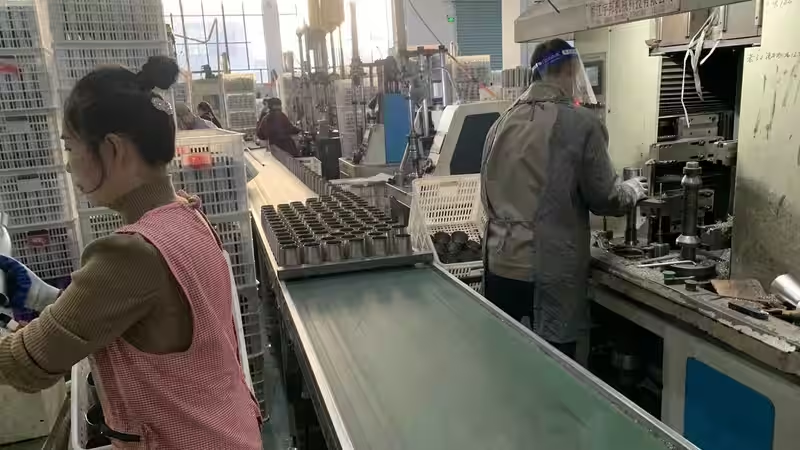
- Facilities, equipment, production flow, work areas, and storage conditions.
- Capacity indicators, production planning, bottlenecks, and subcontracting risk.
- Incoming, in-process, and final quality checks, plus defect and corrective-action records.
- Specification, sample, order, packaging, label, and traceability controls.
- Operational strengths, weaknesses, and follow-up priorities for the intended order.
Use a factory audit before a first order, a large commitment, a volume increase, or whenever the actual production site and quality process are unclear.
Product Inspection Stages for India Orders
Product inspection is not a single moment. Choose the checkpoint according to what is already produced, what can still be corrected, and which risks matter most for the order.
| Stage | When to use it | Typical checks |
|---|---|---|
| Initial Production Check | At production start or during the first batch. | Materials, components, first pieces, color, finish, construction, and readiness. |
| During Production Inspection | When part of the order is complete and the balance is still being made. | Progress, workmanship trends, measurements, defect patterns, and selected tests. |
| Pre-Shipment Inspection | When goods are complete or close to complete and enough units are packed. | Quantity, workmanship, specifications, labels, barcodes, packaging, cartons, and functions. |
| Container Loading Supervision | On shipment day. | Container condition, carton count, shipment match, handling, visible damage, and seal details. |
Pre-Shipment Inspection Checklist for India Orders
A PSI should take place before shipment approval and, where possible, before the final supplier balance is released. The exact checklist must be adapted to the product, destination market, purchase order, and approved specification.
| Inspection area | What to check | Risk reduced |
|---|---|---|
| Quantity and assortment | Total units, SKUs, variants, sizes, colors, packed quantity, purchase order, and packing list. | Short shipments and mixed variants. |
| Workmanship and specifications | Visible defects, materials, construction, finish, accessories, dimensions, weight, and sample match. | Returns, complaints, and specification mismatch. |
| Function and visible safety | Buyer-defined operation, assembly, fit, opening, usability, sharp edges, loose parts, warnings. | Functional failures and visible high-risk defects. |
| Packaging and labels | Retail box, inner protection, manuals, inserts, polybags, labels, barcodes, warnings, and scan checks. | Damage, relabeling, receiving, and ecommerce issues. |
| Cartons and shipping marks | Carton number, SKU, quantity, weights, dimensions, handling marks, destination, and buyer codes. | Logistics confusion and receiving errors. |
| Sampling and report | AQL where applicable, critical/major/minor defects, photos, measurements, test evidence, and conclusion. | Vague shipment decisions without evidence. |
Before your India supplier ships, request a PSI to verify product quality, packaging, labels, carton markings, and shipment readiness.
Common India Product Categories and Inspection Focus Areas
Inspection scope should follow the product, not a generic template. These examples show how the focus can change by category.
| Category | Common buyer risks | Suggested focus |
|---|---|---|
| Textiles and apparel | Fabric defects, measurements, stitching, color variation, stains, labels, and packing errors. | Measurements, workmanship, material and color review, labels, packing, and cartons. |
| Home products | Finish variation, assembly, material mismatch, scratches, broken parts, or missing accessories. | Approved-sample comparison, dimensions, function or assembly, and packaging protection. |
| Packaging products | Print errors, wrong dimensions, weak material, color mismatch, or poor finishing. | Print, dimensions, material, finish, packing method, and carton condition. |
| Industrial goods | Specification mismatch, wrong components, surface defects, finish, labels, or missing documents. | Critical specifications, measurements, components, visible quality, labels, and packing. |
| Amazon FBA and ecommerce goods | Barcode errors, weak packaging, missing inserts, wrong carton labels, or mixed SKUs. | Unit labels, scan checks, packaging, assortment, carton marks, and photo evidence. |
What to Prepare Before Booking an Audit or Inspection in India
A clear brief makes the visit useful. Send requirements early enough for the inspector to prepare an order-specific checklist instead of relying on general judgment at the factory.
- Factory name, full production address, contact person, and target visit date.
- Order stage and the decision the report must support.
- Purchase order, packing list, SKU and variant breakdown, and shipment plan.
- Specification sheet, technical drawing, critical tolerances, and approved sample details.
- Packaging standard, label and barcode files, manuals, warnings, and carton marks.
- Product-specific function tests, defect examples, and AQL or other sampling criteria where used.
Supplier Red Flags to Watch Before Importing from India
| Red flag | Why it matters | Buyer response |
|---|---|---|
| The supplier avoids sharing the factory address. | The real production site or responsible party may be unclear. | Request site details and consider a factory audit. |
| The supplier cannot explain its quality controls. | Inconsistent batches and late defect discovery become more likely. | Define checkpoints and use production inspections. |
| Specifications exist only in chat messages. | Requirements can be missed or disputed. | Create a controlled specification and inspection checklist. |
| Final payment is requested before inspection. | The buyer may lose leverage before finished goods are verified. | Book PSI before final payment where possible. |
| Production is outsourced without clear disclosure. | The buyer may not know who is making the goods. | Confirm the site and use a factory audit. |
What Happens If an Audit or Inspection Finds Problems?
A negative finding does not automatically cancel the order. It gives the buyer evidence to decide whether to clarify, correct, rework, replace, repack, relabel, reduce exposure, change supplier, or re-inspect before approval.
| Finding | Possible buyer action |
|---|---|
| Factory capability risk | Request corrective evidence, reduce order size, add checkpoints, or choose another supplier. |
| Weak internal quality controls | Clarify requirements and add IPC, DPI, or PSI. |
| Major product defects | Hold shipment, request rework or replacement, and consider re-inspection. |
| Packaging or label errors | Require repacking, relabeling, or corrected carton marks before shipment. |
| Critical visible safety concern | Do not approve shipment until the issue is corrected and reviewed. |
How Asia Product Inspections Supports Importers in India
Asia Product Inspections provides on-the-ground factory audits, product inspections, production checks, pre-shipment inspections, and container loading supervision in India. The goal is to give buyers clear field evidence, photo-based findings, risk observations, and practical next steps before important supplier, payment, or shipment decisions.
The service scope should follow the order stage: factory capability before commitment, materials and first pieces at production start, process consistency during production, finished goods before shipment, and loading details on dispatch day.
Importing from India? Request a quote with the factory location, product details, order stage, and target inspection date.
Use Audits and Inspections Before You Commit, Pay, or Ship
A supplier can perform well during quotation and sampling yet still have weaknesses in production control, documentation, packaging, labeling, or shipment readiness. Buyers should plan independent verification before those weaknesses become expensive.
Use a factory audit to assess capability before commitment, production inspections to catch problems while work is active, PSI to verify finished goods before final payment and shipment, and loading supervision when dispatch-day control matters.
FAQ
FAQ: Importing from India, Factory Audits, and Product Inspections
01Do I need a factory audit before importing from India?
+
A factory audit is useful for a new supplier, a large order, a volume increase, or whenever capability and the real production site are unclear. It reviews facilities, production flow, quality controls, documentation, capacity indicators, and operational risks before commitment.
02What is the difference between a factory audit and a pre-shipment inspection?
+
A factory audit reviews supplier capability and operating controls. A pre-shipment inspection checks finished goods, packaging, labels, cartons, and shipment readiness before dispatch.
03When should I book a pre-shipment inspection in India?
+
Book it when production is complete or close to complete and enough units are packed for representative sampling. Leave time for correction and schedule it before final payment and shipment approval where possible.
04Can the inspection follow my own product checklist?
+
Yes. Send the specification, approved sample details, packaging standard, label and barcode files, function test instructions, critical tolerances, defect examples, and sampling criteria before the visit.
05Does product inspection include packaging and barcode checks?
+
Yes, when relevant to the order and included in the brief. The inspector can check unit packaging, retail boxes, inserts, manuals, labels, barcode visibility and representative scans, carton condition, packing accuracy, and shipping marks.
06What if the inspection finds defects?
+
The buyer can hold shipment approval and ask for correction, rework, replacement, repacking, or relabeling. Serious or widespread issues may justify a re-inspection before final payment or shipment.
07Should Amazon FBA sellers inspect goods from India?
+
Inspection can help verify product condition, packaging, labels, barcodes, carton labels, shipping marks, assortment, and packing accuracy before goods go to Amazon or a prep center. Sellers remain responsible for providing current marketplace requirements.
08Is a social compliance audit a legal certification?
+
No. A social compliance audit is a supplier-level review of workplace conditions, records, and defined social compliance requirements. It should not be presented as a legal guarantee or certification.
09What information should I send when requesting an inspection in India?
+
Send the factory location, target date, order stage, product details, purchase order, packing list, specification, approved sample requirements, packaging standard, label files, function tests, and critical inspection points.