Avoid Supplier Problems Before They Reach Shipment
China remains one of the most important sourcing markets for importers, Amazon FBA sellers, ecommerce brands, private label businesses, sourcing managers, and procurement teams. The opportunity is clear: broad supplier choice, flexible manufacturing options, and many product categories.
The risk is also clear. Not every supplier is reliable, capable, transparent, or ready to meet your quality requirements. A bad supplier may accept an order it cannot properly produce, substitute materials, ignore packaging instructions, miss deadlines, apply incorrect labels, or ship goods that do not match the approved sample.
The best way to avoid bad suppliers in China is to use a structured sourcing and quality control process: verify the supplier before you commit, define requirements clearly, use factory audit support when needed, and apply a practical pre-shipment inspection checklist before payment and shipment.
Sourcing from China and unsure whether your supplier is ready? Contact Asia Product Inspections before you approve production or shipment.
A Step-by-Step Process to Reduce Supplier Risk
A stronger China sourcing process moves from supplier screening to production control and then final shipment control. Each checkpoint answers a different risk question.
- Verify the supplier before placing the order: legal company name, production site address, product category experience, factory contact, business documents where available, and target production schedule.
- Use a factory audit when capability is unclear, especially before onboarding a new supplier, scaling volume, or approving a high-value custom order.
- Define product requirements before production starts: SKU, materials, components, dimensions, tolerances, colors, finish, logo position, packaging, labels, barcodes, manuals, function tests, and defect rules.
- Do not rely on a sample alone. Samples are often made with more care than bulk production, so the approved sample should be supported by written specifications and checklist points.
- Use during production inspection for higher-risk orders so workmanship, process, and consistency problems can be found while correction is still possible.
- Apply a pre-shipment inspection checklist before final payment, shipment approval, warehouse transfer, forwarder handover, or Amazon FBA dispatch.
Good Supplier vs Bad Supplier: Practical Comparison
| Area | Good supplier behavior | Bad supplier warning sign |
|---|---|---|
| Factory transparency | Shares accurate factory details and allows reasonable verification. | Avoids giving the production address or changes it without explanation. |
| Specifications | Confirms product details, tolerances, packaging, labels, and tests in writing. | Says everything is fine without confirming details. |
| Inspection access | Cooperates with buyer-side inspection before shipment. | Pressures the buyer to pay first or skip inspection. |
| Corrections | Reviews findings and agrees to practical corrective action where needed. | Rejects all findings without evidence or refuses rework. |
Why Bad Suppliers Are a Major Risk When Importing from China
A bad supplier is not always a scammer. In many cases the supplier is real, but the factory may lack stable quality control, may not understand your market requirements, or may not have the production discipline needed for repeatable export quality.
Supplier profiles, online messages, sample photos, and short production videos do not prove that the full batch is correct, complete, packed properly, and ready for shipment. The buyer needs evidence before the final balance is released.
| Supplier red flag | Why it matters | What to do before payment |
|---|---|---|
| Vague factory address | You may not know where the goods are actually produced. | Ask for the production site address and consider a factory audit. |
| Refuses inspection | A reliable supplier should expect buyer-side quality control. | Treat refusal as a serious warning and do not release final payment without evidence. |
| Very low price | The supplier may cut materials, components, finishing, or packing. | Compare quotations and confirm materials, components, and packaging details. |
| Pushes payment before inspection | The buyer loses leverage once the final balance is released. | Book pre-shipment inspection before payment and shipment approval. |
Pre-Shipment Inspection Checklist for Avoiding Bad Suppliers
Use this PSI checklist before paying the supplier balance or approving shipment. The scope should be adapted to your product, purchase order, approved sample, packaging standard, and destination requirements.
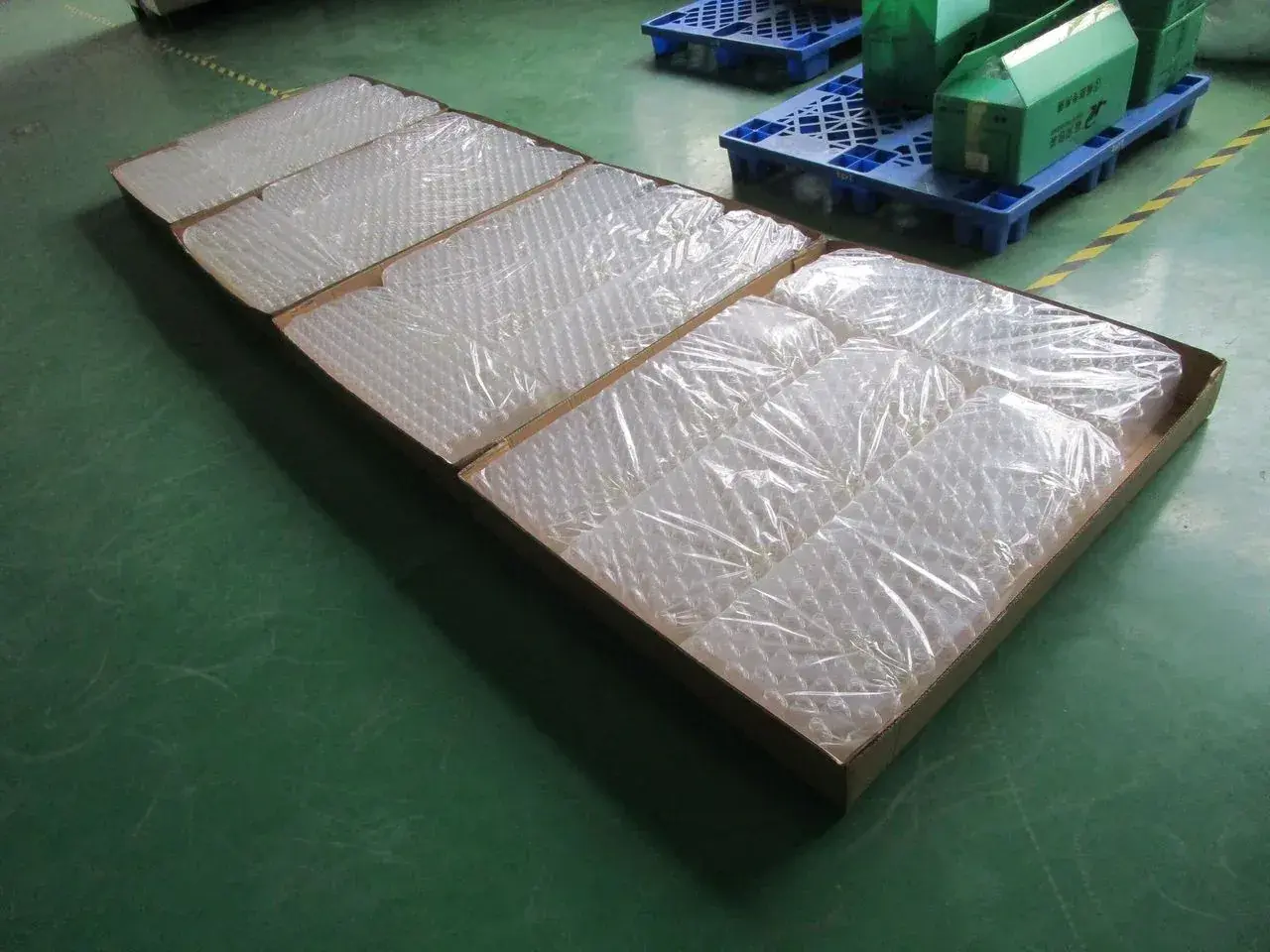
| Checklist area | What to check | Why it matters |
|---|---|---|
| Product quantity | Total units, SKUs, color and size breakdown, packed quantity, and unfinished goods. | Confirms the supplier produced the right order before payment. |
| Workmanship | Scratches, cracks, stains, dents, poor stitching, glue marks, missing parts, and uneven finish. | Identifies visible defects before they become returns or complaints. |
| Specifications | Model, material, component type, construction, color, finish, accessories, and approved sample match. | Confirms goods match what was ordered, not just what was produced. |
| Packaging and labels | Retail box, inner packing, barcodes, warnings, manuals, carton labels, SKU labels, and Amazon FBA labels where relevant. | Reduces receiving delays, marketplace issues, customer confusion, and transit damage. |
| Defect classification and AQL | Critical, major, and minor defect definitions, representative sampling, and acceptance criteria. | Makes inspection results easier to act on before final shipment approval. |
| Photos and final decision | Product photos, defect close-ups, measurement photos, carton photos, report summary, and shipment-readiness conclusion. | Creates evidence for correction, rework, relabeling, repacking, re-inspection, or shipment hold. |
What Can Go Wrong If You Choose the Wrong Supplier?
Bad supplier decisions usually become expensive at the shipment stage. By then, freight plans may be fixed, final payment may be requested, and the buyer may have limited leverage.
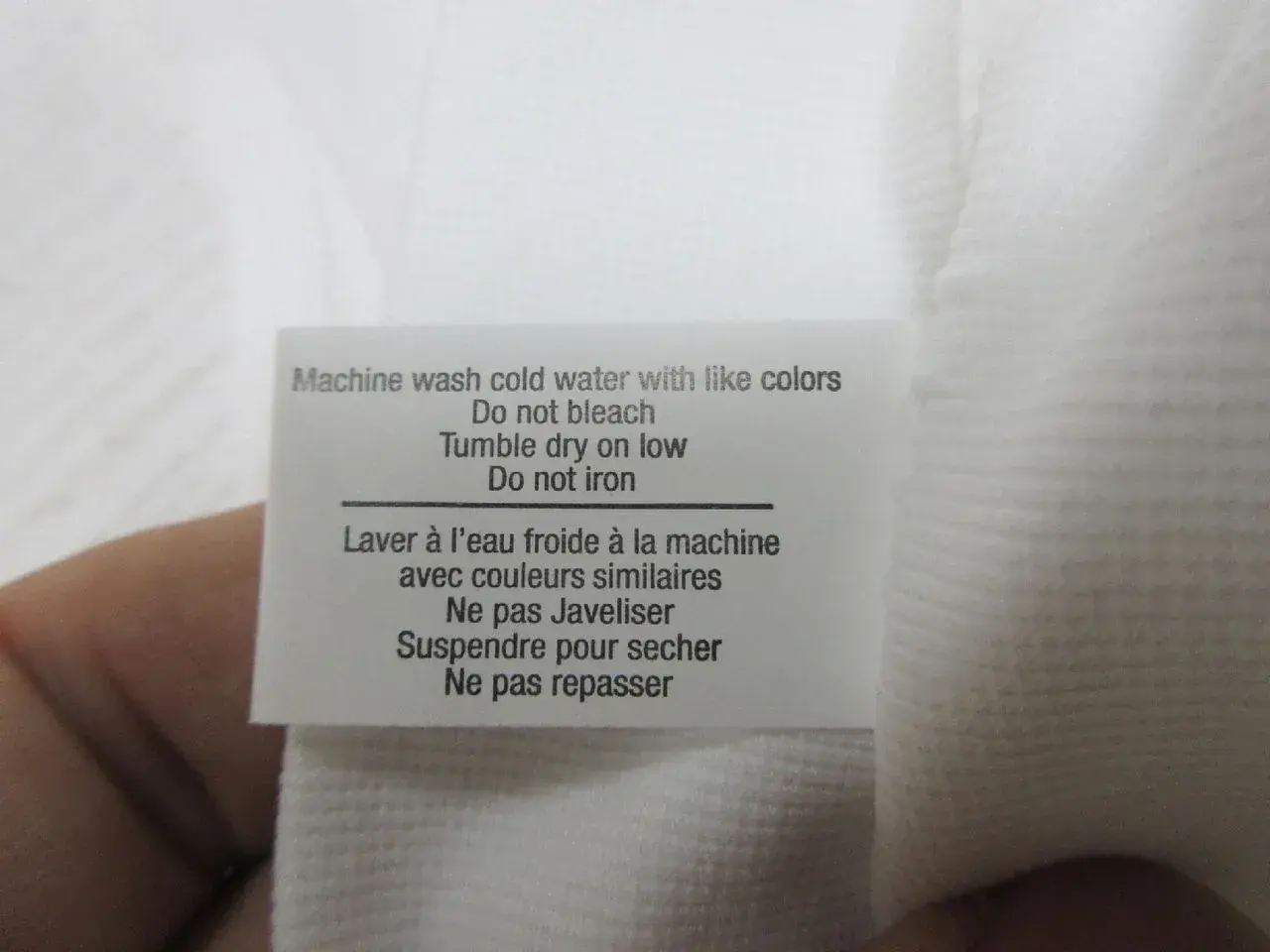
- Goods do not match the approved sample.
- The supplier uses cheaper materials or components.
- Production quantity is short or the assortment is wrong.
- Workmanship defects are common across the batch.
- Packaging, barcodes, labels, manuals, or carton markings are missing or incorrect.
- The buyer discovers the problem only after goods arrive overseas.
How Supplier Control Helps Different Buyer Types
| Buyer type | Main supplier risk | Recommended quality control step |
|---|---|---|
| Amazon FBA sellers | Wrong barcodes, packaging errors, damaged units, incorrect carton labels. | Use an Amazon FBA inspection checklist inside the PSI scope. |
| Ecommerce brands | Poor customer experience, inconsistent product quality, weak packaging. | Inspect against approved sample, listing details, packaging standard, and product quality checklist. |
| Private label businesses | Supplier changes materials, finish, components, or branding after sample approval. | Use clear specifications, DPI for higher-risk orders, and PSI before payment. |
| Sourcing and procurement teams | Supplier capability is unclear, performance varies, or multi-SKU orders are hard to control. | Use factory audit support, consistent inspection scopes, and container loading supervision when needed. |
How Asia Product Inspections Can Help
Asia Product Inspections provides on-the-ground inspection, audit, and quality control support across Asia, including China, Vietnam, India, Indonesia, Pakistan, and the Philippines.
| Service | How it helps avoid bad suppliers |
|---|---|
| Factory Audit | Reviews supplier capability, facilities, equipment, production flow, quality control, staffing, document control, and readiness before onboarding or scaling orders. |
| During Production Inspection | Catches workmanship, process, and consistency issues while production is still running. |
| Pre-Shipment Inspection | Checks finished products, quantity, workmanship, labels, barcodes, packaging, carton condition, packing accuracy, and selected function tests before shipment. |
| Container Loading Supervision | Checks container condition, carton counts, shipment matching, handling, visible damage risk, and seal details on shipment day. |
Before your supplier ships your goods, request a pre-shipment inspection or ask which inspection or audit scope fits your order stage.
Avoid Bad Suppliers Before They Become Expensive Problems
The best time to avoid a bad supplier is before you place the order. The second-best time is before you release final payment and approve shipment. Once goods leave the factory, your options become more limited.
A practical supplier control process should include supplier verification, clear specifications, approved sample management, factory audit support when needed, production-stage checks for higher-risk orders, and a complete pre-shipment inspection checklist before shipment.
Need help avoiding bad suppliers in China? Contact Asia Product Inspections before your supplier ships your goods.
FAQ
FAQ: How to Avoid Bad Suppliers in China
01How do I know if a China supplier is bad?
+
Warning signs include vague factory details, refusal to allow inspection, unclear specifications, very low pricing without explanation, weak communication after deposit, no clear quality control process, and pressure to pay before inspection.
02Should I use a factory audit before placing an order?
+
A factory audit is useful when onboarding a new supplier, scaling order volume, or working with a supplier whose capability is unclear. It helps review organization, production capability, quality process, and operational risk.
03Is pre-shipment inspection enough to avoid bad suppliers?
+
A PSI is important, but it is only one checkpoint. Higher-risk orders should combine supplier screening, clear specifications, factory audit support, during production inspection, and final PSI before shipment.
04When should I book a pre-shipment inspection in China?
+
Book it when production is complete or close to complete and enough units are packed for representative sampling. It should happen before final payment and before goods leave the factory.
05Can I use my own product inspection checklist?
+
Yes. A product inspection can be aligned with your specification sheet, approved sample, packaging standard, or agreed checklist.
06What should a pre-shipment inspection checklist include?
+
It should include quantity, workmanship, specifications, dimensions and weight, colors, materials, components, function tests, safety checks, packaging, labels, barcodes, carton markings, shipping marks, Amazon FBA requirements where relevant, defect classification, AQL sampling, photos, and final shipment decision.
07Why is supplier quality control not enough?
+
Supplier QC is controlled by the supplier. Buyer-side inspection gives the importer independent field evidence before payment and shipment approval.
08What if the supplier refuses inspection?
+
Refusal to allow reasonable buyer-side inspection is a major warning sign. Buyers should avoid releasing final payment without evidence that goods match the order requirements.
09Do Amazon FBA sellers need special checks?
+
Yes. FBA sellers should pay close attention to barcodes, FNSKU labels, packaging, carton labels, bundle or set labeling, carton weight and dimensions, and product condition before shipment.
10What happens if defects are found before shipment?
+
The buyer can ask the supplier to correct, rework, repack, relabel, replace, hold goods, or schedule a re-inspection before shipment approval.