A Quality Checklist Built for Ecommerce Risk
For an ecommerce brand, a factory defect does not stay at the factory. It can become a return, an unreadable barcode, a poor review, a delayed warehouse receipt, or inventory that does not match the product listing.
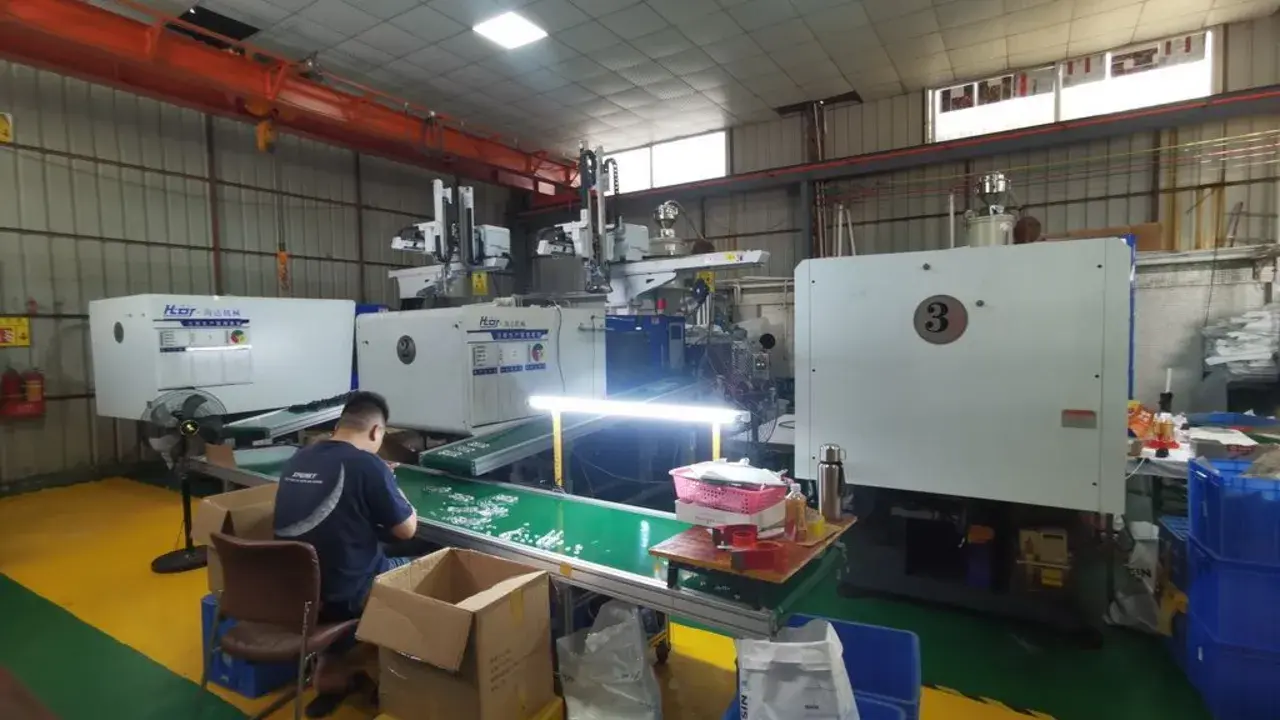
This checklist connects the purchase order and product specification to the details customers and fulfillment teams actually see: the right SKU and variant, consistent workmanship, complete accessories, accurate packaging, scannable labels, sound cartons, and documented release evidence.
Use it as a master brief, then adapt the checks, sample size, tolerances, and defect rules to the product, sales channel, destination, order value, and supplier history.
Before booking, share the product, factory location, production stage, target date, specifications, packaging files, and the risks that would stop you from releasing the shipment.
Why Ecommerce Quality Control Needs Its Own Risk Map
A general inspection can confirm whether goods appear acceptable. An ecommerce inspection brief should also connect each factory finding to a downstream failure that the brand needs to prevent.
| Factory finding | Downstream impact | Control to specify |
|---|---|---|
| Mixed SKUs, sizes, or colors | Wrong inventory and customer orders | Variant count and carton-assortment check |
| Customer-visible marks or poor finish | Returns, complaints, and poor reviews | Approved sample, defect examples, and workmanship criteria |
| Missing accessory, manual, or insert | Incomplete product and listing mismatch | Bill of materials and completeness check |
| Wrong or unreadable barcode | Receiving delay, relabeling, or stock errors | File comparison, placement, print, and scan check |
| Weak retail packaging or export carton | Damage, repacking, and poor unboxing | Protection, packing method, sealing, and carton-condition check |
The Ecommerce Product Quality Control Checklist
Use these control groups to build the inspection scope. Replace generic wording with the measurable requirement, reference, tolerance, test method, or approved file for your product.

Control 01
Product identity and assortment
Match product, SKU, model, size, color, bundle, quantity, inner pack, and carton assortment to the order.
Evidence: count photos, variant samples, and packing-list comparison.
Control 02
Workmanship and customer-visible finish
Check scratches, cracks, stains, dents, stitching, glue, printing, color consistency, contamination, loose parts, and repeated defect patterns.
Evidence: defect tally, severity, location, and close-up photos.
Control 03
Specifications, dimensions, and materials
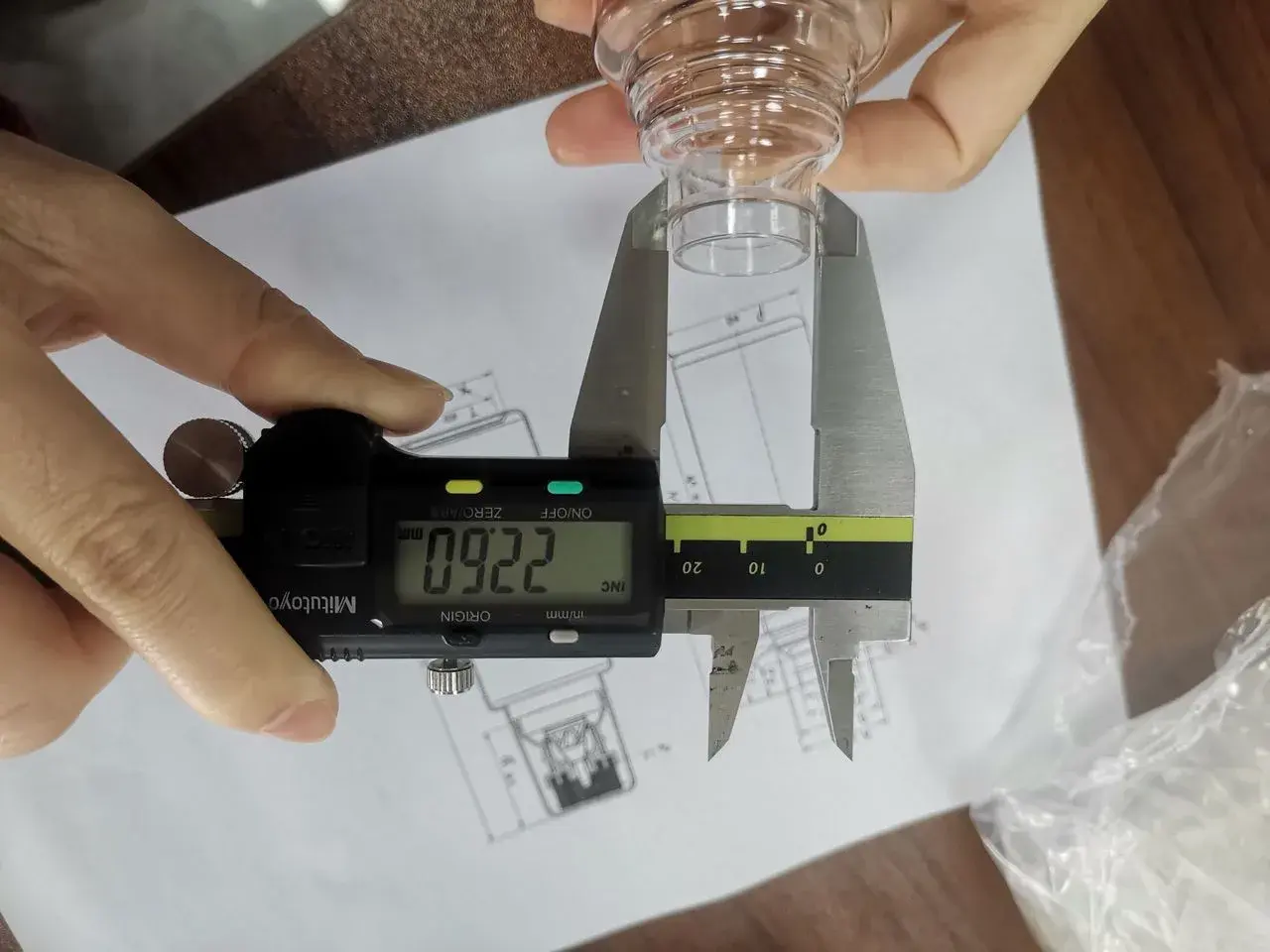
Verify construction, components, material, finish, measurements, weight, fit, and tolerance against the approved specification.
Evidence: measurement records and sample or drawing comparison.
Control 04
Function and visible safety risks
Run safe, repeatable use-case checks and look for sharp edges, exposed wires, loose small parts, instability, missing warnings, or poor assembly.
On-site checks do not replace any formal compliance work required for the product or destination.
Control 05
Retail packaging and unboxing
Check artwork, print, spelling, color, inserts, manuals, cleanliness, protective materials, sealing, assembly, and movement inside the pack.
Evidence: all sides of the pack, internal protection, and packed-product photos.
Control 06
Labels, barcodes, and carton readiness
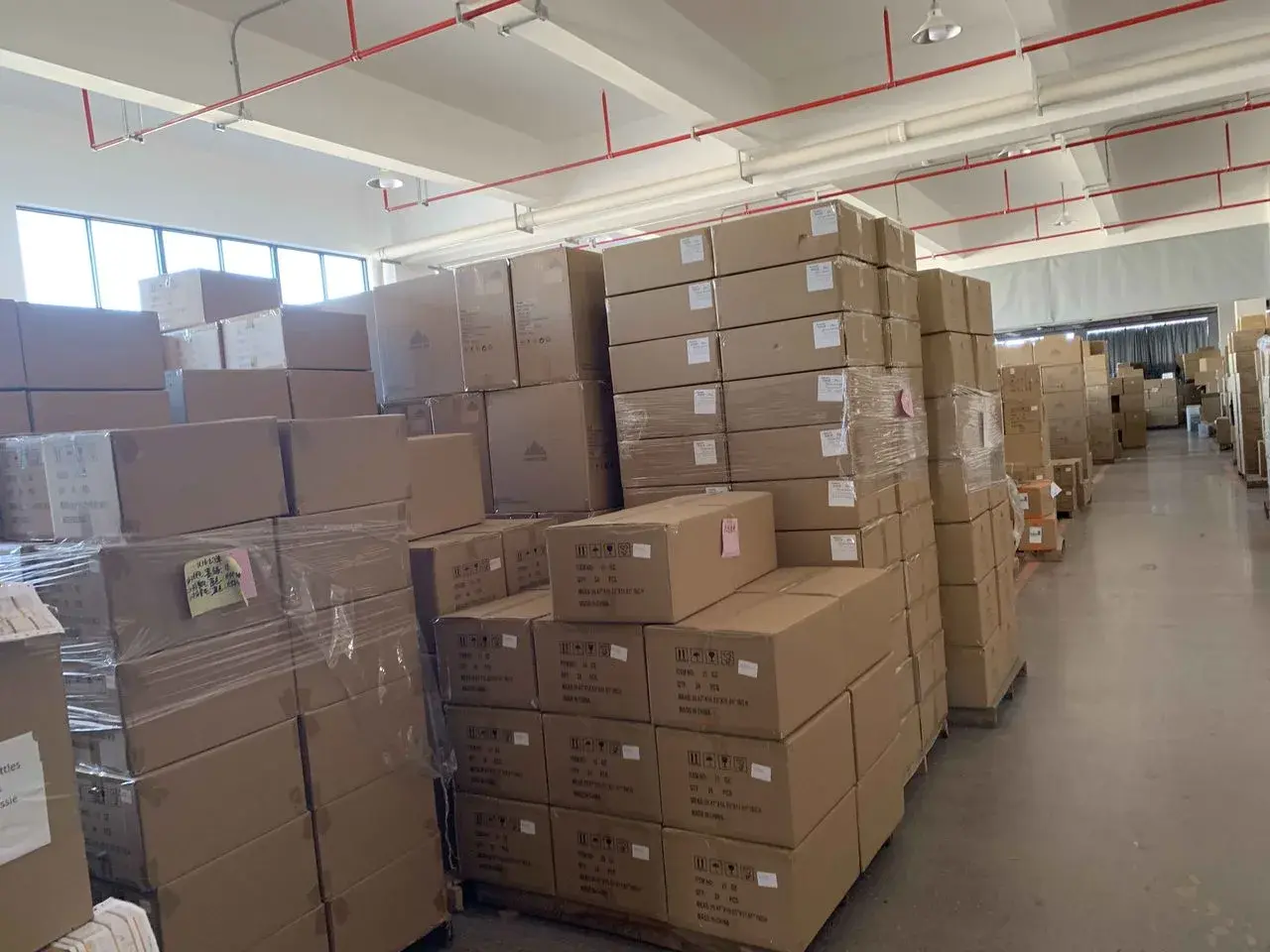
Verify label content and placement, scan the required codes, and compare carton count, condition, marks, weights, dimensions, sealing, and packing accuracy.
Evidence: scan result, label close-ups, carton marks, and packing-list comparison.
Choose the Checkpoint That Can Still Change the Outcome
Quality control is a sequence of decisions, not one final visit. Match the inspection stage to the uncertainty you need to resolve and leave enough time for correction.
| Checkpoint | Use it when | Decision supported |
|---|---|---|
| Factory Audit | Before onboarding or scaling a supplier | Can this factory support the order and quality process? |
| Initial Production Check | Materials, components, or first pieces are the main risk | Is production starting with the right inputs? |
| During Production Inspection | A new, customized, or sensitive product is still being made | Can recurring problems be corrected before completion? |
| Pre-Shipment Inspection | Enough finished goods are available for representative sampling | Do the goods, packaging, and cartons appear ready to release? |
| Container Loading Supervision | Shipment matching, handling, or loading-day control matters | Are the correct cartons loaded and documented? |
Prepare an Inspection Brief the Factory Cannot Misread
An inspector can only verify requirements that are clear, available, and observable on site. Resolve conflicts between documents before the visit and identify which file or sample takes priority.
- Purchase order and packing list with SKU, variant, quantity, and carton breakdown.
- Product specification with materials, dimensions, tolerances, colors, components, and functions.
- Approved sample, reference photos, or drawings for appearance and construction.
- Packaging artwork, label files, barcode data, placement rules, manuals, and inserts.
- Product-specific test instructions, defect examples, sampling plan, and acceptance limits.
Set Sampling, Defect, and Release Rules Before the Visit
Do not wait for the report to decide what counts as a serious defect. Agree the sample approach, product-specific examples, and decision limits before inspection so the result is not rewritten after problems appear.
Classify critical, major, and minor defects by their real safety, usability, sales, and customer impact. Review the pattern and severity behind a result, not only the pass or fail label.
Add the Checks Your Sales Channel Will Enforce
The master checklist should stay stable, but the last layer must reflect how the product will be sold and fulfilled.
| Channel or model | Extra controls | Evidence to retain |
|---|---|---|
| Direct-to-consumer | Unboxing sequence, presentation, inserts, retail-pack protection, and customer-visible finish | Packed-product and packaging-sequence photos |
| Marketplace or fulfillment center | SKU identity, barcode data, label placement, carton marks, assortment, dimensions, and weights | Scan result, label close-ups, and carton records |
| Bundles, sets, or subscription boxes | Component completeness, variant combination, inserts, orientation, and packing sequence | Open-box sequence and component count |
Turn the Inspection Report Into a Release Decision
The report should let product, sourcing, operations, and supplier teams reach the same decision from the same evidence. Review defect counts, repeated patterns, affected SKUs, measurements, packaging and label findings, photos, and any test failures together.
01
Release
The observed result is within the agreed limits and no unresolved shipment blocker remains.
02
Hold and clarify
Evidence is incomplete, documents conflict, or the business impact of a finding is not yet understood.
03
Sort or rework
The supplier corrects the affected units or packaging and provides controlled evidence of the action.
04
Reinspect
A new representative check verifies that correction was completed across the relevant lot before release.
Common Ecommerce Quality Control Mistakes
- Using supplier photos instead of a defined inspection scope and independent report.
- Treating an approved sample as a complete specification when tolerances and test methods remain unwritten.
- Checking the product but omitting packaging, labels, barcodes, cartons, or assortment.
- Defining defect severity only after the report arrives.
- Booking so late that rework or reinspection would miss the shipment date.
- Reading only the pass/fail result instead of the affected SKUs, patterns, photos, and business impact.
How Asia Product Inspections Supports Ecommerce Brands
Asia Product Inspections can turn your order documents and channel requirements into a product-specific inspection scope, coordinate the factory visit, and report the evidence your team needs before production or shipment decisions.
Support is available across China, Vietnam, India, Indonesia, Pakistan, and the Philippines. The right service depends on the supplier decision, production stage, product risk, and shipment timeline.
Request an inspection quote with your product details, factory location, order stage, target date, and the requirements that matter most to your customers and fulfillment channel.
FAQ
FAQ: Ecommerce Quality Control in Asia
01What should an ecommerce quality control checklist include?
+
It should cover product identity and assortment, workmanship, specifications, dimensions, materials, function, visible safety risks, packaging, labels, barcodes, cartons, defect rules, sampling, evidence, and the shipment-release decision.
02When should an ecommerce brand inspect an order?
+
Choose the stage that matches the risk: audit the factory before commitment, check inputs at production start, inspect recurring issues during production, verify finished goods before shipment, or supervise loading when shipment matching and handling matter.
03Can an inspection follow our own brand checklist?
+
Yes. Provide the specification, approved sample, packaging and label files, test instructions, defect examples, and acceptance rules before the visit so they can be built into the scope.
04Does product inspection include packaging and barcode checks?
+
It can when those controls are included in the agreed scope. Send the approved artwork, barcode data, placement rules, packing method, and carton requirements so the inspector has a clear reference.
05Is AQL the same as approving the shipment?
+
No. AQL can structure sampling and acceptance against agreed defect limits, but the buyer should still review defect severity, patterns, affected SKUs, specification failures, and business impact before releasing the order.
06What should a brand do if defects are found?
+
Review the evidence and business impact, then release, hold, request sorting or rework, replace affected units, obtain clarification, or arrange a reinspection. The response should match the defect severity, quantity, timeline, and customer risk.