A Strong Inspection Starts Before the Factory Visit
An inspector can only compare the goods with requirements that are clear enough to verify. If the buyer sends a vague email, the report may document what is visible without answering the most important question: does the order match what the buyer actually intended to purchase?
The practical starting pack is simple: purchase order, detailed product specifications, factory contact, and target inspection date. Add the approved sample, drawing, packaging files, label artwork, barcode rules, and test instructions whenever they apply.
The more precisely the order is defined, the more precisely the inspector can test it.
The Minimum Document Pack
These documents give the inspection company enough context to confirm scope, coordinate with the supplier, build the checklist, and report against buyer requirements rather than generic expectations.
| Document or input | What it establishes | Why the inspector needs it |
|---|---|---|
| Purchase order | Products, quantities, SKUs, colors, sizes, and variants | To confirm what should exist and in what quantity |
| Product specification | Dimensions, materials, colors, tolerances, construction, and function | To turn buyer expectations into measurable checkpoints |
| Approved sample or drawing | The accepted visual and technical reference | To compare mass production with the agreed reference |
| Packaging and label files | Artwork, barcodes, warnings, carton marks, and packing method | To prevent avoidable warehouse, retail, or compliance problems |
| Factory contact and target date | Who coordinates access and when goods should be ready | To confirm readiness and organize the on-site visit |
1. Purchase Order: Products, Quantities, and Variants
The purchase order tells the inspector what the buyer ordered. It should identify each product, SKU, model, color, size, version, ordered quantity, and packing breakdown. If commercial prices are confidential, the buyer can redact them while keeping the operational information visible.
A purchase order should also document any requirement that could become a dispute later. For furniture, that may include an acceptable wood-moisture range. For electronics, it may include required spare parts. For textiles, it may include size ratios, shade references, stitching details, and label placement.
- Product name, model, SKU, and revision
- Quantity by color, size, or variant
- Packing ratio and quantity per carton
- Any buyer-specific acceptance requirement
2. Technical Specifications: Replace Assumptions with Checkpoints
A buyer and a factory can use the same words while imagining different products. A request for a blue pen still leaves the exact shade, ink color, dimensions, weight, plastic type, mechanism, line width, printing, and packaging open to interpretation.
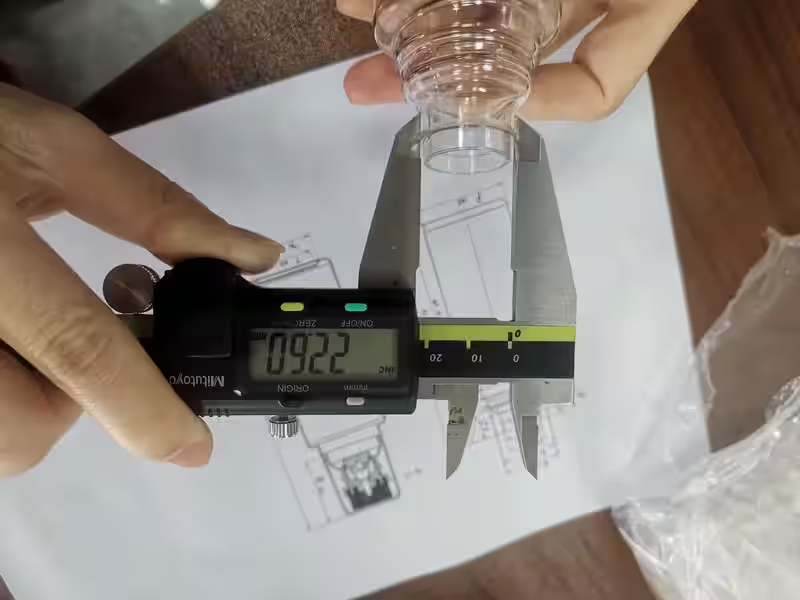
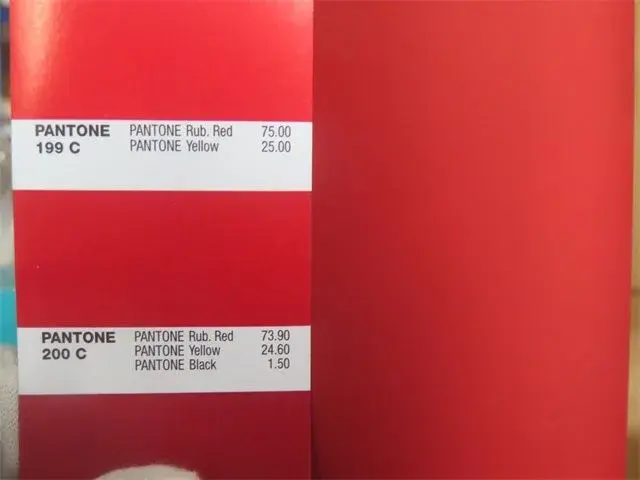
Write specifications in a form that can be checked on site. Use dimensions and tolerances, material names, Pantone or approved color references, expected functions, construction details, photos, drawings, and product-specific test criteria.
3. Approved Sample, Drawing, or Reference Photos
An approved sample helps define appearance, feel, assembly, finish, and details that may be difficult to express in a spreadsheet. A technical drawing helps define geometry, dimensions, interfaces, and tolerances. Reference photos are useful when no physical sample is available, but they should be supported by written details whenever possible.
Make clear which reference is authoritative. If the sample, drawing, purchase order, and email instructions disagree, the inspector needs the buyer to resolve that conflict before the visit.
4. Packaging, Labels, Barcodes, and Function Tests
The product can be correct while the shipment is still not ready. The inspector may need retail-packaging artwork, label files, warning text, manuals, barcode data, shipping marks, carton dimensions, packing method, and buyer or warehouse instructions.
Function tests should be product-specific. For a pen, write with it. For a chair, assemble it and test adjustment, movement, stability, and load where the agreed procedure allows. For an electronic product, define power-up, controls, accessories, spare parts, and any repeatable on-site checks.
- Provide the expected result, not only the name of the test
- Identify any zero-tolerance safety, legal, or usability issue
- Define the sample quantity or agreed sampling approach
- Share special tools or fixtures the factory must make available
5. Factory Contact, Readiness, and Inspection Date
Share the factory address, on-site contact, phone or messaging details, target date, production status, and shipment deadline. The inspection company can then confirm access, readiness, location, travel, and whether the proposed inspection stage matches the order status.
One week before the target date is ideal because factory completion dates often move. Two to three days may be workable when the scope and location are already clear. Urgent support can sometimes be arranged, but it should not replace normal planning.
Final Checklist Before You Book
Use this short list before sending an inspection request. Not every product needs every file, but every important buyer expectation should appear in at least one authoritative document or reference.
- Purchase order with products, quantities, SKUs, and variants
- Technical specification with measurable acceptance points
- Approved sample, drawing, or reference photos
- Packaging, labels, barcode, manual, and carton files
- Function-test instructions and defect tolerances
- Factory address, contact, readiness status, and target date
Commercial prices may be redacted. Keep the product, quantity, specification, and packing information visible.
How Asia Product Inspections Uses Your Documents
We review the order brief, identify missing or ambiguous control points, confirm the right inspection stage, coordinate the visit with the factory, and turn the buyer's requirements into a product-specific inspection scope.
The resulting report connects quantity, specification checks, function, appearance, packaging, defect counts, and photo or video evidence to the buyer's next options: approve, hold, request rework, re-inspect, negotiate, or reject.
Ready to prepare an inspection? Send the product, factory location, order stage, and target date to confirm the right scope.
FAQ
FAQ: Documents for a Product Inspection
01What are the minimum documents for a product inspection?
+
At minimum, send the purchase order, detailed product specifications, factory contact, and target inspection date. Add approved samples, drawings, packaging files, labels, barcodes, and test instructions when relevant.
02Can I hide prices on the purchase order?
+
Yes. Commercial prices can be redacted if they are confidential. Keep products, quantities, SKUs, variants, packing details, and operational requirements visible.
03Is a photo enough as a product specification?
+
A photo helps, but it rarely defines dimensions, tolerances, materials, color references, components, functions, or acceptable defects. Support it with written specifications whenever possible.
04When should I send the documents?
+
Send them when requesting the inspection or as soon as the scope is discussed. One week before the target date is ideal; two to three days may be workable when the scope and location are clear.
05Can the inspection use our own checklist?
+
Yes. Your checklist can be used alongside the purchase order, specification sheet, approved sample, packaging standard, and agreed sampling or defect rules.
06What happens if the documents disagree?
+
Resolve the conflict before the inspection and identify which document or reference is authoritative. Otherwise the inspector may be unable to make a clear conformity decision on that point.