Factory Audit vs Product Inspection
Importers often ask whether they need a factory audit or a product inspection before working with a supplier in China or elsewhere in Asia. Both services reduce sourcing risk, but they answer different questions.
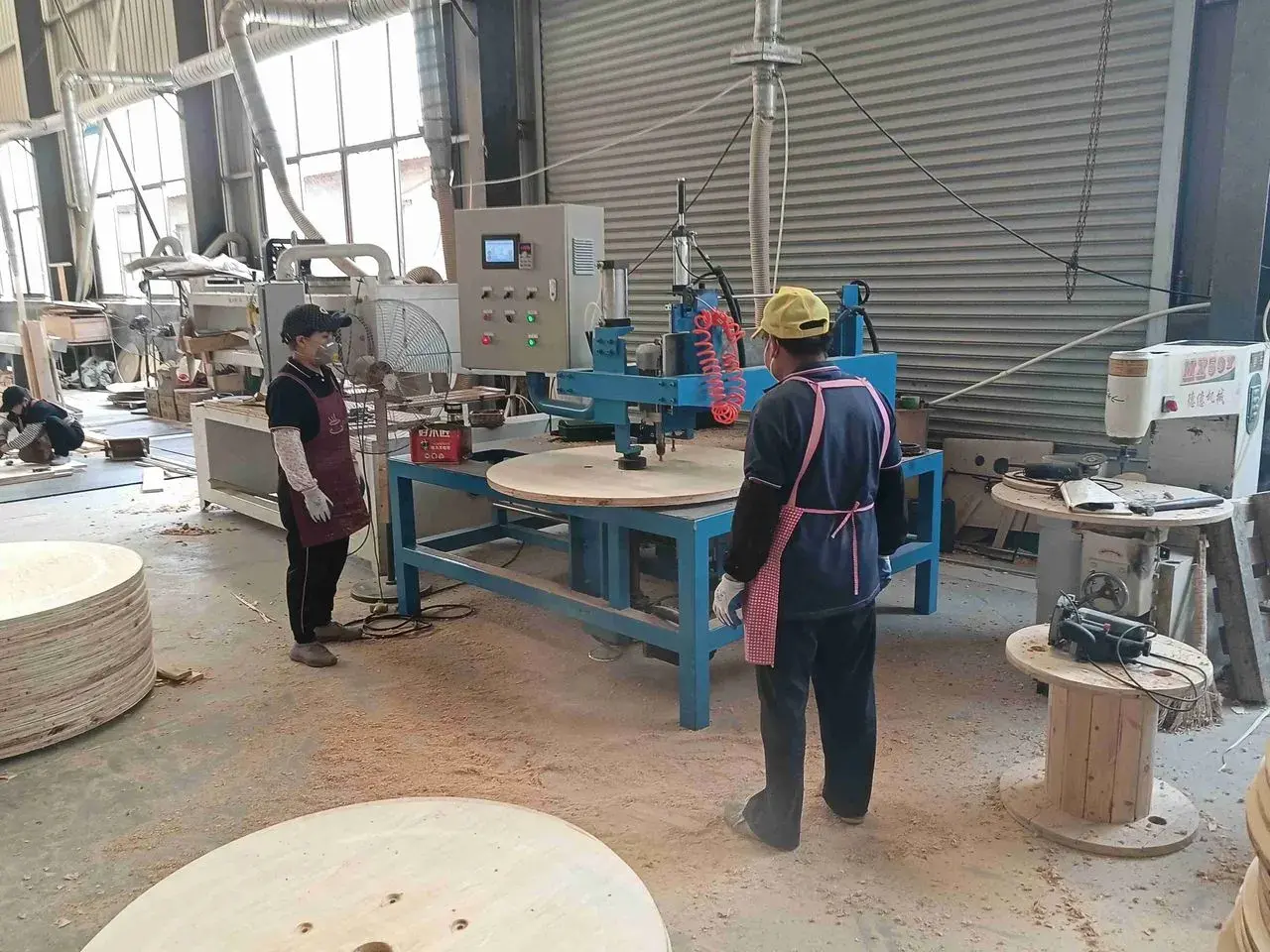
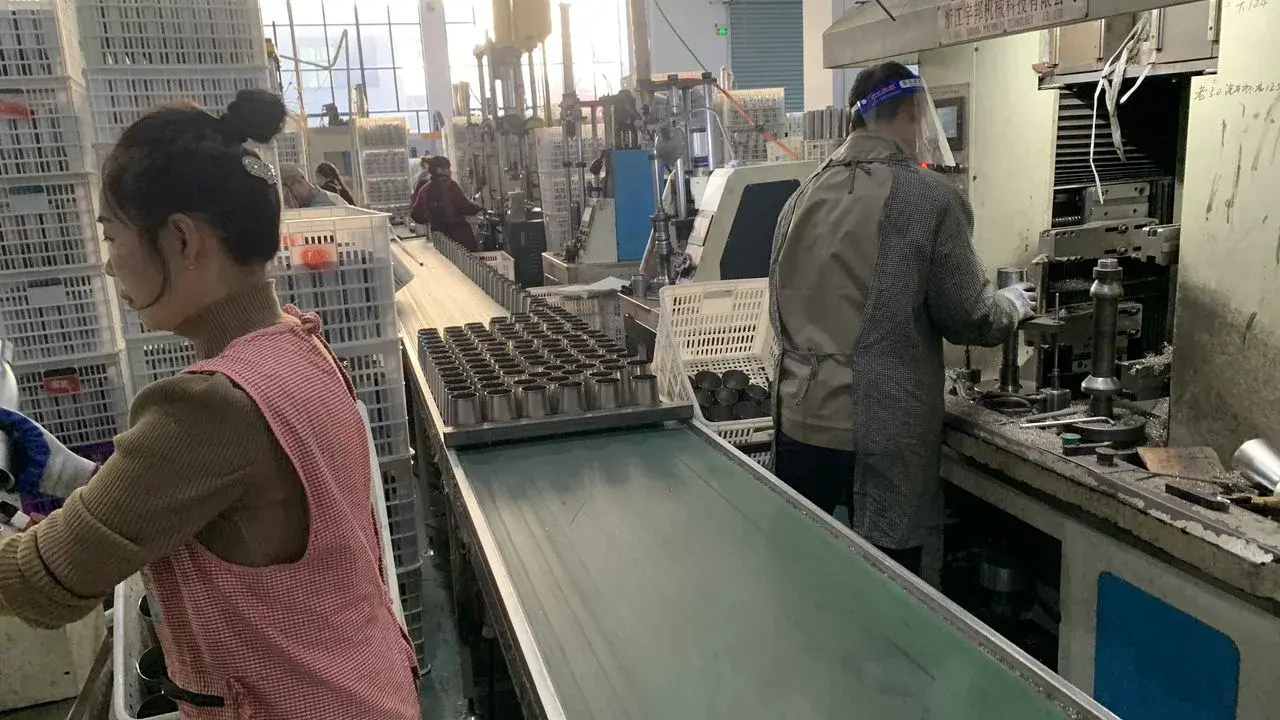
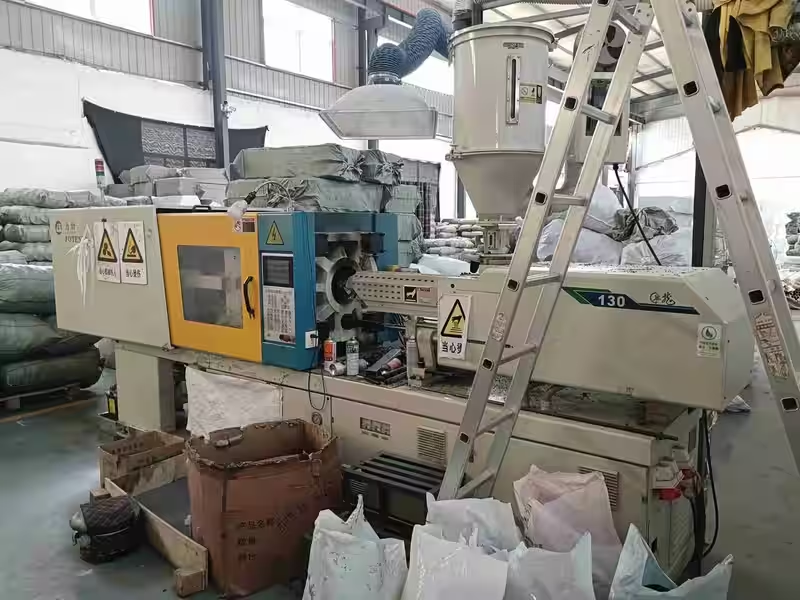
A factory audit reviews the supplier: who they are, what they can produce, how they manage quality, and whether the factory looks credible before you place or scale an order.
A product inspection reviews the goods: whether finished or in-process products match your purchase order, approved sample, specifications, packaging requirements, labeling requirements, and shipping instructions.
Quick answer: audit the factory before trusting the supplier, inspect the product before approving shipment or releasing final payment.
Quick Comparison
The right choice depends on the decision you need to make. If you are deciding whether a supplier is worth using, start with a factory audit. If you are deciding whether an order is ready to ship, use a product inspection.
| Question | Factory audit | Product inspection |
|---|---|---|
| Main purpose | Assess supplier capability, legitimacy, systems, and readiness. | Verify actual goods against buyer requirements. |
| Best timing | Before placing a first order, before scaling volume, or before approving a new supplier. | During production, before shipment, or during container loading depending on the risk. |
| Main evidence | Factory profile, facilities, production flow, quality system, records, and risk observations. | Photos, measurements, defects, packaging checks, label checks, AQL result, and shipment readiness. |
| What it cannot prove | It cannot prove that a future shipment will be defect-free. | It cannot prove that the supplier is financially stable or well managed. |
Decision Matrix
| Decision you need to make | Best control | What the report should help you decide |
|---|---|---|
| Can I trust this supplier enough to place a first order? | Factory audit | Approve, reject, or investigate the supplier further. |
| Can this factory handle my product and volume? | Factory audit | Proceed, reduce order size, request more evidence, or find another supplier. |
| Are the first production units acceptable? | Initial production check | Continue production, correct setup, or pause before defects multiply. |
| Is the order trending correctly while production is running? | During production inspection | Correct problems before the full order is finished. |
| Are the goods ready to ship? | Pre-shipment inspection | Ship, hold, sort, rework, reinspect, or reject. |
| Was the correct cargo loaded properly? | Container loading supervision | Confirm carton count, loading condition, handling, and seal number. |
What Is a Factory Audit?
A factory audit is an on-site review of a supplier before or during a business relationship. It helps importers understand whether the supplier has the facilities, organization, quality controls, equipment, and process discipline needed for the order.
This is especially useful before sending a deposit, placing a first order, approving a new product line, switching suppliers, or increasing order volume.
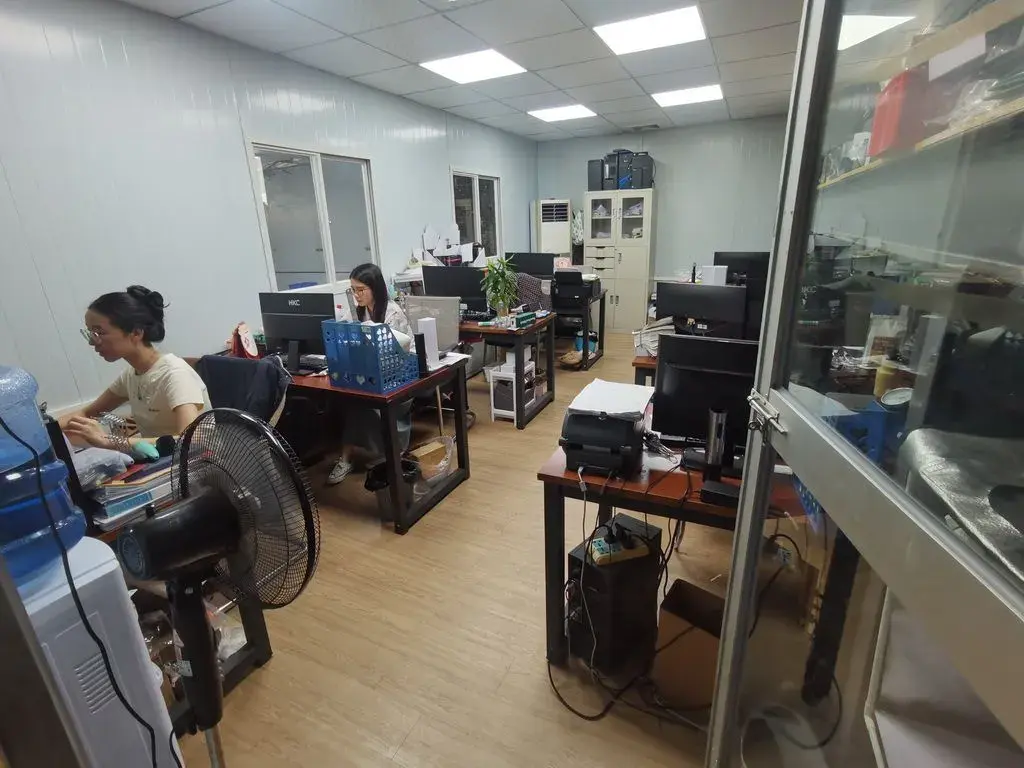
| Audit area | What to check | Why it matters |
|---|---|---|
| Business identity | Factory name, location, scope, ownership signals, and operating status. | Reduces risk of dealing with a trading company or wrong facility without knowing it. |
| Production capability | Workshops, equipment, production lines, capacity claims, and process flow. | Checks whether the supplier can realistically make the product and volume requested. |
| Quality system | Incoming checks, in-process controls, final inspection, defect records, and corrective action. | Shows whether quality is managed systematically or only checked when problems occur. |
| Materials and storage | Incoming material control, warehouse organization, product segregation, and traceability. | Poor material control often becomes product inconsistency later. |
| Management and records | Organization, production planning, quality documents, training records, and basic process discipline. | Good records do not guarantee quality, but missing records are a useful risk signal. |
What Is a Product Inspection?
A product inspection is an on-site check of actual goods. It can happen at different stages, including initial production check, during production inspection, pre-shipment inspection, or container loading supervision.
For most importers, the most common product inspection is a pre-shipment inspection. It checks finished goods before the buyer approves shipment or releases the final supplier balance.
| Inspection area | What to check | Why it matters |
|---|---|---|
| Quantity and assortment | Units, SKUs, variants, colors, sizes, and carton count. | Prevents incomplete shipments and wrong SKU mix. |
| Workmanship and defects | Scratches, cracks, stains, dents, loose parts, finish issues, and repeated defects. | Reduces return risk, customer complaints, and brand damage. |
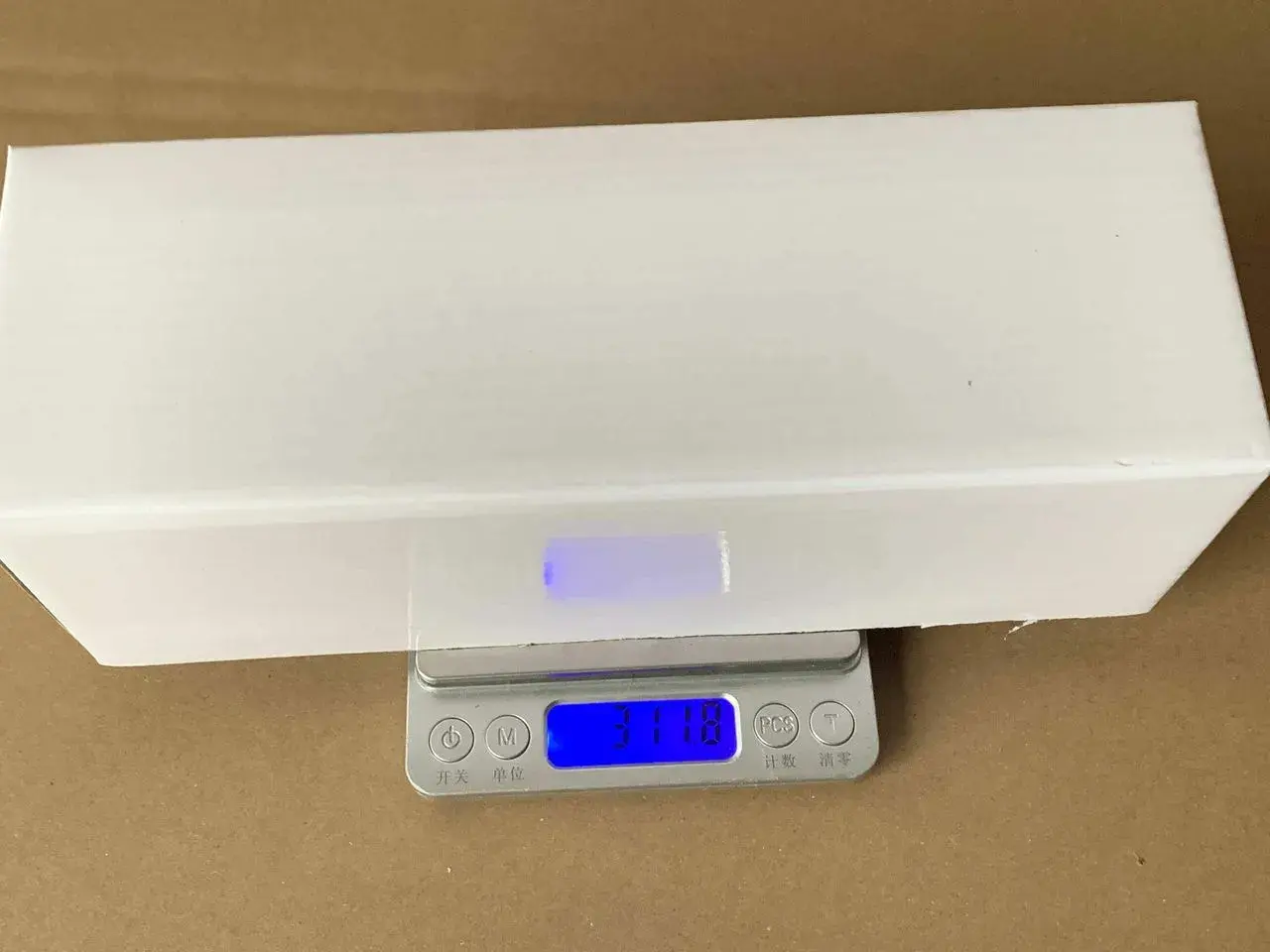
| Specifications | Measurements, weight, materials, components, approved sample match, and function tests. | Confirms that mass production matches what was ordered. |
| Packaging and labels | Retail packaging, manuals, warnings, barcodes, FNSKU where relevant, and carton markings. | Prevents receiving delays, relabeling cost, and avoidable logistics problems. |
| Shipment readiness | Carton condition, packing accuracy, sealing, shipping marks, and loading readiness. | Helps decide whether to ship, hold, rework, sort, or reinspect. |
When Should Importers Use Each Service?
A factory audit and a product inspection are not substitutes. They are checkpoints at different moments in the sourcing process.
| Situation | Use | Reason |
|---|---|---|
| You found a new supplier online. | Factory audit | Verify the supplier before sending a deposit or sharing sensitive product details. |
| The supplier is asking for a large deposit. | Factory audit | Assess whether the facility appears credible and capable. |
| Production is already running. | During production inspection | Catch issue patterns before the full order is complete. |
| Goods are finished or close to finished. | Pre-shipment inspection | Check finished goods before shipment approval and final payment. |
| Goods are packed and loading is scheduled. | Container loading supervision | Verify carton count, handling, loading condition, and seal details. |
| You are scaling a supplier after small trial orders. | Factory audit and product inspection | Confirm supplier systems and verify each shipment as order risk grows. |
How Factory Audits Reduce Supplier Risk
A factory audit helps you avoid choosing a supplier based only on catalog photos, trade platform messages, video calls, or sales promises. It gives you on-site evidence about the facility and management practices behind those promises.
It is useful for supplier qualification, new supplier approval, production capability review, quality system review, and basic risk screening before committing serious money to a supplier.
- Check whether the supplier's claimed capabilities match what is visible on site.
- Identify weak quality control procedures before they affect production.
- Review whether production, storage, and records are organized enough for your order risk.
- Support supplier comparison when several factories claim they can make the same product.
How Product Inspections Reduce Shipment Risk
A product inspection gives importers field evidence before goods leave the factory. This matters because the buyer usually has more leverage before shipment and before final payment than after defects arrive in the destination market.
For Amazon FBA sellers, ecommerce brands, private label importers, retail buyers, and procurement teams, a product inspection can reduce avoidable problems with defects, incorrect variants, missing accessories, weak packaging, barcode errors, and carton mistakes.
A clean factory audit does not mean the shipment is clean. A product inspection still matters when the goods are ready.
Common Mistakes When Choosing the Service
| Wrong assumption | Why it is risky | Better approach |
|---|---|---|
| A factory audit is enough to approve shipment. | The audit checks supplier systems, not every finished unit in your order. | Use a pre-shipment inspection before shipment approval. |
| A product inspection proves the factory is reliable. | The inspection checks goods from one order, not the supplier's full capability or management system. | Use a factory audit before supplier approval or major scaling. |
| Supplier photos are enough evidence. | Photos may be selective, old, staged, or unrelated to your order. | Request independent on-site evidence when the order risk justifies it. |
| One inspection solves every sourcing risk. | Supplier risk and product risk happen at different stages. | Use the right checkpoint at the right decision point. |
How Factory Audits and Product Inspections Work Together
The strongest quality control plan often combines both services. The audit reduces supplier selection risk before the order grows. Product inspections reduce order-specific risk while production and shipment are happening.
- Before order: factory audit to review supplier capability, quality systems, production flow, and risk signals.
- Start of production: initial production check to verify materials, first units, setup, and early production readiness.
- During production: inspection to detect defect patterns before the whole order is finished.
- Before shipment: pre-shipment inspection to verify finished goods, packaging, labels, cartons, and AQL result.
- Loading day: container loading supervision to verify carton handling, loading condition, quantity, and seal information.
Practical Examples
Amazon FBA seller: use a factory audit before trusting a new supplier for repeated orders, then use pre-shipment inspection to check product condition, barcodes, FNSKU labels, cartons, and packaging before inventory leaves China.
Ecommerce brand scaling volume: audit the supplier before increasing order size, then inspect during production and before shipment to catch quality drift and protect customer experience.
Procurement team onboarding a new vendor: run a factory audit to document capability and quality systems, then define a product inspection checklist for the first purchase order.
Private label importer: audit the supplier before sharing sensitive packaging and product files, then inspect production against the approved sample, packaging artwork, labels, and accessory list.
What Should Importers Prepare?
Clear preparation makes both services more useful. The inspector can only compare on-site evidence against the information you provide.
- For a factory audit: supplier name, address, contact person, target product category, order expectations, special risk concerns, and any supplier documents already received.
- For a product inspection: purchase order, product specification, approved sample or photos, packaging files, barcode files, packing list, label requirements, test instructions, and defect tolerances.
- For both: explain the business decision you need to make after the report, such as supplier approval, deposit release, shipment approval, rework request, or final payment.
Where Asia Product Inspections Can Help
Asia Product Inspections helps importers, Amazon FBA sellers, ecommerce brands, private label businesses, sourcing managers, and procurement teams choose the right quality control checkpoint across Asia.
If you are still evaluating the supplier, a factory audit may be the right first step. If the order is already in production or ready to ship, a product inspection may be more urgent.
For repeat clients, the Inspection App can also support inspection requests, live status tracking, reports, photos, files, and inspection-specific communication in one workspace.
Share your supplier status, product details, order stage, and target shipment date so Asia Product Inspections can recommend the right scope.
Conclusion
Factory audits and product inspections are both practical quality control tools, but they answer different questions. A factory audit helps you decide whether to trust a supplier. A product inspection helps you decide whether a specific order is acceptable.
For many importers, the best answer is not one or the other. Use a factory audit before supplier approval, then use product inspections before key shipment decisions.
FAQ
FAQ: Factory Audit vs Product Inspection
01Is a factory audit the same as a product inspection?
+
No. A factory audit reviews the supplier, facilities, capability, quality systems, and risk signals. A product inspection reviews actual goods against the buyer's order, specifications, packaging, labels, and acceptance criteria.
02Which should I do first?
+
If the supplier is new or unproven, start with a factory audit. If production is already finished or close to finished, a pre-shipment product inspection may be the urgent priority.
03Do I still need product inspection if the factory audit looks good?
+
Yes, if the order value, customer expectations, or shipment risk justify it. A good audit suggests the supplier may be capable, but it does not prove that your specific order was produced correctly.
04Can product inspection replace a factory audit?
+
Not for supplier qualification. A product inspection checks one order or production batch. It does not provide the same view of supplier capability, management, production flow, and quality systems.
05When is pre-shipment inspection most useful?
+
It is most useful when goods are complete or close to complete and enough units are packed for representative sampling, but before shipment approval and final payment.
06What should be included in a product inspection checklist?
+
It should include quantity, assortment, workmanship, defects, specifications, dimensions, weight, materials, function checks, packaging, labels, barcodes, carton markings, AQL criteria, and shipment readiness.
07What should be included in a factory audit checklist?
+
It should include supplier identity, factory profile, production capability, equipment, process flow, quality control system, incoming material control, final inspection practices, records, storage, and risk observations.
08Is factory audit a certification?
+
No. A factory audit is an on-site assessment based on the agreed scope. It can support supplier decisions, but it should not be treated as a certification unless a formal certification body and standard are involved.
09Can Asia Product Inspections support both services?
+
Yes. Asia Product Inspections can support factory audits and product inspections across key Asian sourcing markets, depending on the supplier location, product type, order stage, and inspection scope.