AQL Explained for Importers
AQL sampling helps an importer decide whether a lot is ready to ship. It does not mean every unit was checked or guarantee that the lot contains no defects.
An inspector checks a defined sample, classifies defects by severity, and compares the findings with the buyer's agreed criteria. The report then supports a decision to ship, hold, rework, or reinspect.
Need a final check before your supplier ships? Share your product details, factory location, order stage, and target shipment date with Asia Product Inspections.
What Is AQL?
AQL stands for Acceptable Quality Limit. In product inspection, it defines the maximum level of defects that may be considered acceptable within a sampled quantity of goods.
AQL does not mean every unit has been inspected. It also does not guarantee that the shipment is perfect. It is a sampling approach used inside a wider quality control inspection process.
| AQL term | Plain-language meaning | Why importers should care |
|---|---|---|
| Lot size | The total number of units in the order or shipment being inspected. | It affects the sample size used during inspection. |
| Sample size | The number of units selected and inspected from the lot. | It keeps inspection practical while still giving useful field evidence. |
| Defect classification | The way defects are grouped by severity, usually critical, major, and minor. | It helps buyers separate safety or usability risks from cosmetic issues. |
| Acceptance criteria | The maximum number of defects allowed in the sample for a chosen AQL level. | It supports the final shipment decision. |
| Inspection result | The overall result based on sampled units, defects found, and agreed criteria. | It helps the buyer decide whether to ship, hold, rework, or reinspect. |
How to Build an AQL Sampling Plan for Your PSI Checklist
AQL is most useful when the buyer defines expectations before inspection. If the supplier and inspector do not have clear criteria, the report may show defects but still leave the buyer unsure what to do next.
Start by defining the inspection lot, then confirm the product scope, defect categories, product-specific tests, and the way the AQL result will connect to a business decision.
| Defect type | Typical meaning | Importer example |
|---|---|---|
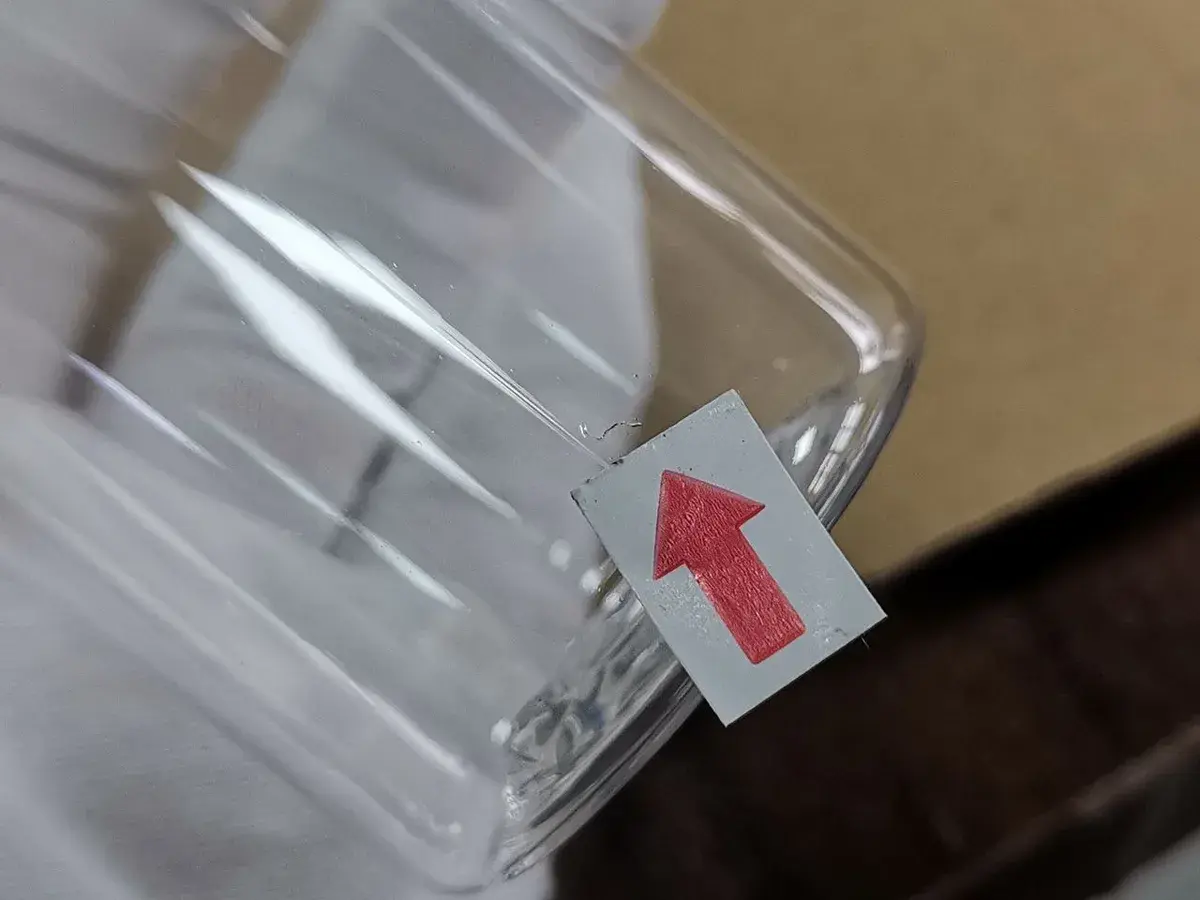
| Critical defect | A defect that may create a safety, regulatory, or severe usability risk. | Exposed sharp edge on a children's product, unsafe electrical condition, or missing required warning where applicable. |
| Major defect | A defect likely to make the product unsellable, unusable, or unacceptable to the customer. | Wrong component, failed function test, visibly incorrect color, broken zipper, missing part, or barcode that cannot be scanned. |
| Minor defect | A smaller issue that may not prevent use but affects appearance or perceived quality. | Small cosmetic mark, minor paint inconsistency, slight packaging scuff, or non-critical finish variation. |
Why an AQL Pass Is Not Automatic Shipment Approval
An AQL pass means the defect count found in the sample stayed within the agreed acceptance criteria. It does not mean the buyer must release the shipment without reviewing what the defects are, how often the same issue appears, and what those failures could mean for customers.
In one anonymized inspection of a consumer helmet order, the sampled defect count remained below the maximum. The result formally passed, but it was close enough to the limit to imply avoidable complaints if the same pattern continued across the shipment. Asia Product Inspections highlighted the risk and recommended that the factory review the series and remove affected units before release.
This is the difference between reporting a number and helping a buyer use it. AQL structures the sample result; product risk, customer expectations, timing, and corrective options shape the commercial decision.
- Review which defects were found, not only the overall pass or fail label.
- Check whether one defect repeats across models, colors, cartons, or production batches.
- Consider how close the result is to the rejection limit and whether the sample suggests a wider pattern.
- Estimate the likely effect on usability, returns, complaints, warranty cost, and brand reputation.
- Decide whether targeted rework, 100% sorting, replacement, or reinspection is practical before shipment.
AQL is one decision input. The buyer still decides whether to approve, hold, rework, sort, reinspect, negotiate, or reject the shipment.
How AQL Fits Into a Pre-Shipment Inspection
A pre-shipment inspection is a final check before goods leave the factory. Finished products are inspected against buyer specifications, packaging requirements, and the approved quality level to support shipment decisions.
AQL sampling is one of the tools that makes this final check structured and consistent. It gives structure to sampled product checks, while the full report provides the business context needed to make a shipment decision.
A useful PSI checklist also covers product quantity, assortment, workmanship, measurements, labeling, manuals, barcodes, packaging, carton condition, packing accuracy, and selected on-site function tests where relevant.
Why Importers Need AQL and Pre-Shipment Inspection
Supplier updates, production photos, and internal checks can help, but they do not replace an independent on-site inspection against the buyer's specification, approved sample, packaging standard, or agreed checklist.
Use AQL to structure sampling, then use the wider PSI findings and evidence to make the shipment decision.
- Incorrect quantity, missing SKUs, or wrong assortment before shipment.
- Workmanship issues such as scratches, cracks, stains, dents, poor stitching, poor finishing, or missing parts.
- Product specifications that do not match the purchase order or approved sample.
- Dimension, weight, color, material, or component deviations.
- Functionality failures that are discovered only after delivery.
- Packaging, labeling, barcode, carton marking, and shipping mark errors.
- Supplier quality control gaps that are not visible from email updates alone.
Not sure whether you need a product inspection checklist, a PSI checklist, or a factory inspection before placing the order? Asia Product Inspections can help confirm the right scope.
When Should Importers Book a Pre-Shipment Inspection?
A pre-shipment inspection should be scheduled when the order is complete or close to complete and enough units are packed for representative sampling.
Booking too early may mean the inspector cannot review the final packed goods. Booking too late may create pressure to approve shipment without enough time for rework, sorting, or reinspection if problems are found.
| Order stage | Recommended inspection approach | Why it matters |
|---|---|---|
| Before placing or expanding an order | Factory audit or supplier review. | Useful when supplier capability, quality systems, or operational risk are unclear. |
| At the start of production | Initial production check. | Helps validate materials, first pieces, and production readiness before defects multiply. |
| During production | During production inspection. | Helps catch issue patterns while production is still running. |
| When goods are complete or close to complete | Pre-shipment inspection with AQL sampling. | Supports the final shipment decision before goods leave the factory. |
| On shipment or loading day | Container loading supervision. | Helps reduce mix-ups, handling issues, and sealing errors before departure. |
What to Prepare Before the Inspection
A strong inspection result starts with clear inspection inputs. The inspector needs to know what the product should be, how it should be packed, what defects matter most, and what evidence the buyer needs for the final decision.
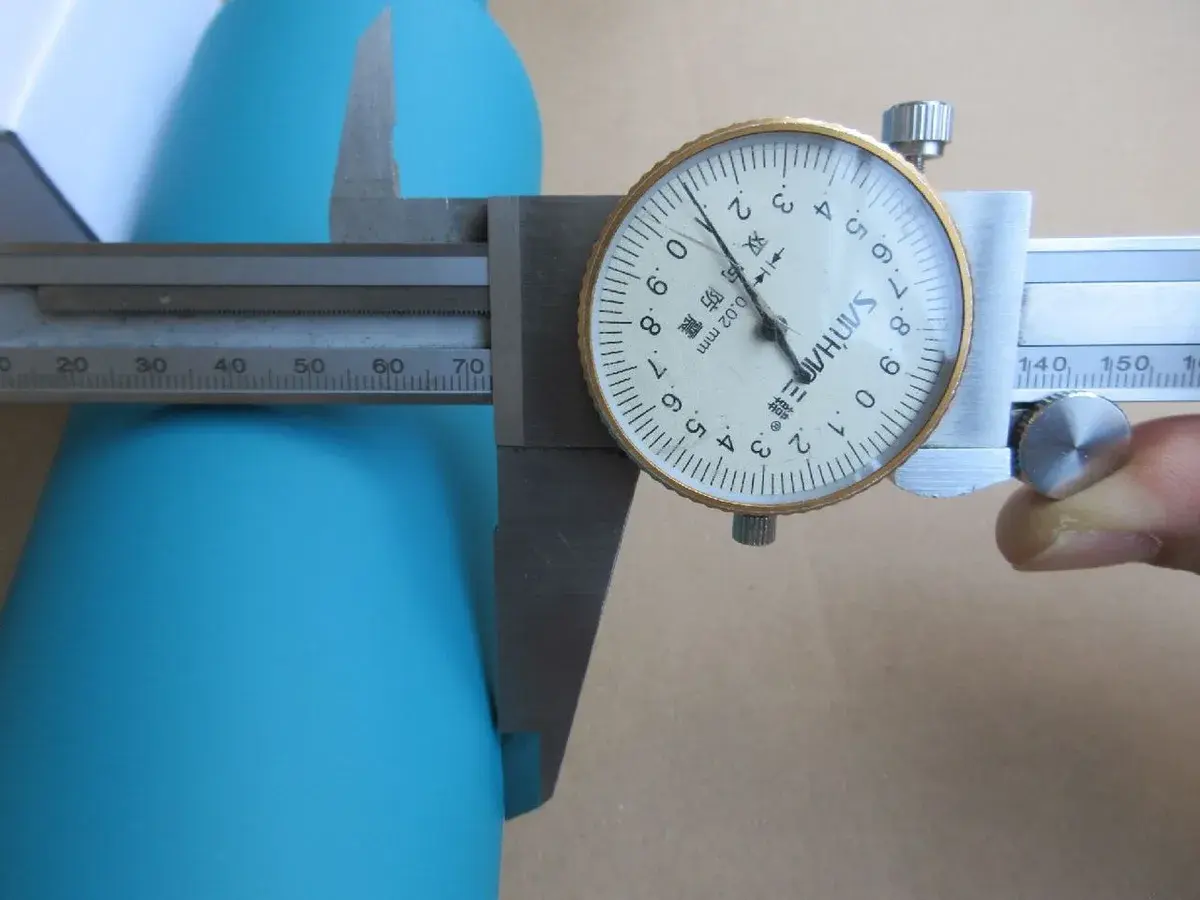
- Purchase order and product quantity by SKU, size, color, model, or variant.
- Specification sheet with materials, dimensions, weight, finish, components, and tolerances where relevant.
- Approved sample, reference photos, or golden sample requirements if available.
- Packing list and carton quantity details.
- Retail packaging standard, master carton standard, and inner packing requirements.
- Labels, barcodes, manuals, warning labels, carton markings, and shipping marks.
- Product-specific function test requirements.
- Defect classification rules and AQL expectations.
- Factory address, contact person, target inspection date, and target shipment date.
Pre-Shipment Inspection Checklist for Importers
Use the checklist below as a practical PSI checklist before goods leave the factory. It can be adapted into a product inspection checklist, product quality checklist, Amazon FBA inspection checklist, or quality control checklist depending on the product and sales channel.
| Checklist area | What to verify | Evidence or decision value |
|---|---|---|
| Product quantity | Total units, SKU count, size/color/model breakdown, assortment, packed quantity, and comparison with purchase order or packing list. | Helps avoid short shipment, wrong assortment, and missing variants. |
| Workmanship | Scratches, cracks, stains, dents, poor stitching, glue marks, uneven finishing, missing parts, loose components, cosmetic defects, and visible damage. | Shows whether defects are isolated or part of a wider quality pattern. |
| Product specifications | Materials, finish, construction, components, accessories, manuals, product version, approved sample match, and buyer-specific requirements. | Confirms that the product matches what was ordered, not just what the supplier produced. |
| Dimensions and weight | Critical measurements, tolerance points, product weight, packaging weight, carton weight, and dimensional consistency. | Reduces risk of non-conforming products, shipping surprises, or packaging mismatches. |
| Colors, materials, components | Color match, material type, surface finish, hardware, fabric, trims, accessories, and component completeness. | Protects brand consistency and reduces customer complaints. |
| Functionality testing | Product-specific on-site function tests, assembly checks, power-on checks, usability checks, fit checks, and operating features where relevant. | Helps catch failures before goods ship. |
| Safety checks | Visible safety concerns, sharp edges, loose parts, obvious hazards, warning labels, and buyer-defined safety points. | Flags potential high-risk issues for buyer review. |
| Packaging inspection | Retail box, inner packing, polybag, inserts, protection, master carton packing, packing method, and packaging damage. | Reduces risk of transit damage, poor customer presentation, and fulfillment problems. |
| Labeling and barcode checks | Product labels, SKU labels, barcodes, manuals, warnings, country or buyer-required labels, and scannability where relevant. | Helps avoid receiving, marketplace, inventory, and customer-facing errors. |
| Carton markings | Carton number, product name or code, quantity per carton, gross/net weight, dimensions, handling marks, and buyer-required carton text. | Improves warehouse handling and shipment traceability. |
| Shipping marks | Consignee or buyer marks, PO references, destination details, carton sequence, and other agreed shipping information. | Reduces risk of shipment confusion, misrouting, or receiving delays. |
| Amazon FBA requirements | FNSKU or barcode labels, carton labels, packaging condition, warning labels, mixed-SKU carton clarity, and scannability where applicable. | Helps reduce fulfillment delays, receiving problems, and avoidable listing or inventory issues. |
| Defect classification | Critical, major, and minor defects based on buyer-defined rules and product risk. | Turns observations into a practical shipment decision. |
| AQL sampling | Lot size, sampled units, selected variants, defect counts, acceptance criteria, and sampling observations. | Provides a structured basis for pass, fail, hold, rework, or reinspect decisions. |
| Photos and inspection report | Product photos, defect close-ups, measurement photos, packaging photos, carton photos, barcode photos, and report summary. | Gives buyer-side evidence for supplier discussion and internal decision-making. |
| Final decision before shipment | Shipment-readiness conclusion, risk summary, rework needs, sorting needs, reinspection recommendation, or approval to ship. | Helps the buyer decide before final payment or shipment release. |
Need a checklist adapted to your product? Asia Product Inspections can inspect against your specification sheet, approved sample, packaging standard, or agreed checklist before the supplier ships.
What Inspectors Check During a Quality Control Inspection
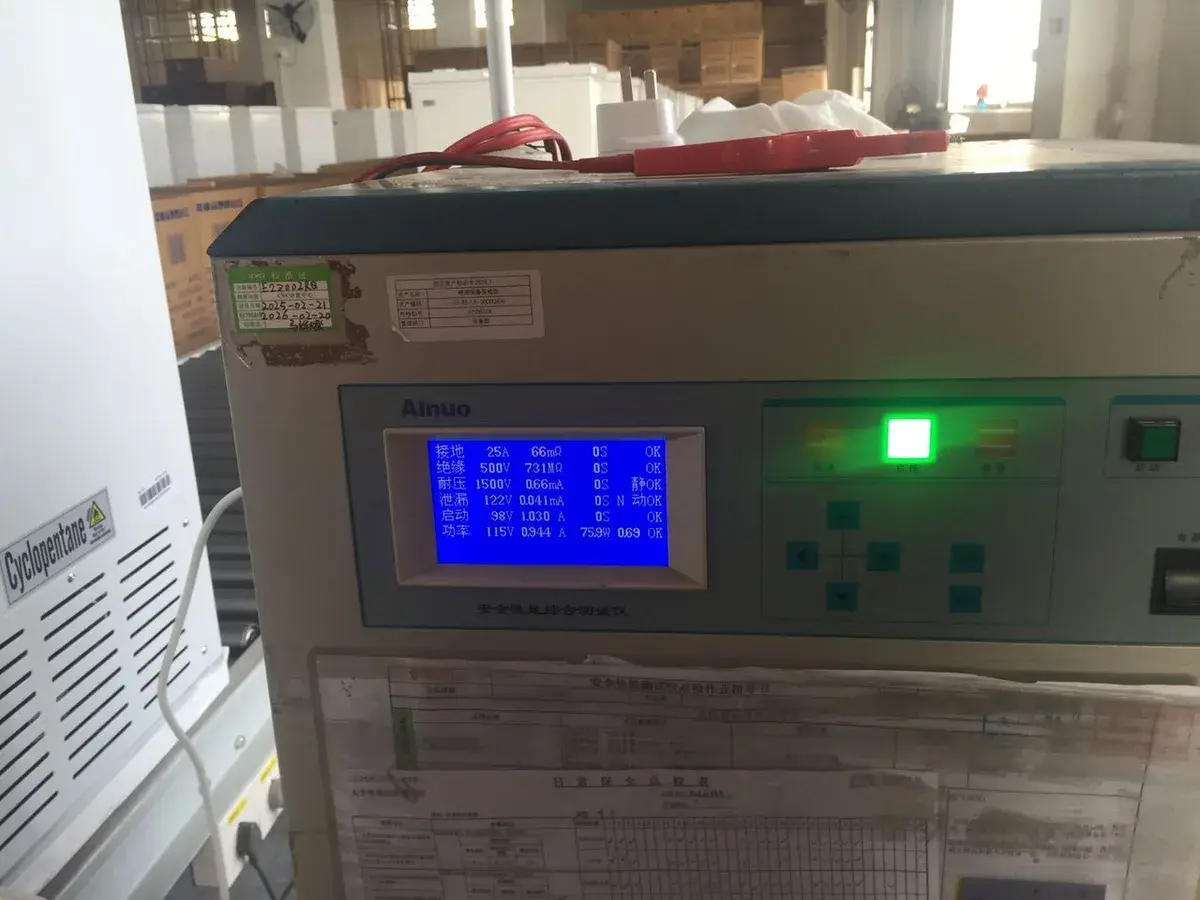
During a pre-shipment inspection, the inspector checks finished products and packed goods against the buyer's requirements. The exact scope should be adapted to the product, but a practical quality control inspection usually combines four layers.
- Order verification: quantity, assortment, SKU details, and packing list consistency.
- Product verification: workmanship, specifications, dimensions, weight, materials, components, and functions.
- Packaging verification: retail packaging, inner packing, labels, barcodes, manuals, carton condition, carton markings, and shipping marks.
- Decision support: defect classification, AQL sampling result, photo evidence, risk observations, and shipment-readiness conclusion.
What Can Go Wrong Without a Pre-Shipment Inspection?
Skipping inspection can feel faster, especially when the supplier is pushing to ship. But if problems are discovered after shipment, the buyer may have fewer options.
A pre-shipment inspection cannot remove every sourcing risk, but it gives the buyer better evidence before goods leave the factory. That timing matters.
- The supplier ships fewer units than expected or the wrong product mix.
- A production defect affects a large part of the order but is discovered after delivery.
- The product looks different from the approved sample or online listing photos.
- Barcodes, labels, manuals, or carton marks are incorrect.
- Retail boxes or master cartons are damaged before loading.
- Products fail basic function checks after arrival.
- Amazon FBA inventory is delayed because labels or carton information are not ready.
- The buyer pays the final balance before understanding the real shipment condition.
How AQL and PSI Help Different Importer Profiles
| Importer profile | Main risk before shipment | How the PSI checklist helps |
|---|---|---|
| Importers and distributors | Receiving defective, incomplete, or incorrectly packed goods. | Verifies quantity, assortment, workmanship, packaging, cartons, and shipment readiness. |
| Amazon FBA sellers | Inventory receiving delays, barcode issues, poor reviews, returns, and packaging problems. | Checks labels, barcodes, packaging, product condition, carton labels, and basic function points before goods ship. |
| Ecommerce brands | Customer complaints, inconsistent batches, poor unboxing experience, and brand damage. | Compares goods with approved sample, product specs, packaging standard, and quality expectations. |
| Private label sellers | Supplier drift, wrong components, incorrect branding, and inconsistent presentation. | Checks materials, components, colors, branding, labels, packaging, and defect patterns. |
| Sourcing managers | Supplier quality control gaps and lack of reliable field evidence. | Provides a report with photo evidence, defect breakdown, and recommended next steps. |
| Procurement teams | Approving shipment without documentation or supplier risk visibility. | Supports internal decision-making before final payment or shipment release. |
How Asia Product Inspections Can Help
Asia Product Inspections provides on-the-ground product inspection, pre-shipment inspection, during production inspection, initial production check, container loading supervision, factory audit, social compliance audit, and quality control support across Asia.
For pre-shipment inspection, the service is positioned as a final check before goods leave the factory. The inspection can review quantity, assortment, workmanship, measurements, labeling, manuals, barcodes, packaging, carton condition, packing accuracy, and selected on-site function tests where relevant.
For active or repeat clients, the Inspection Portal App can centralize inspection requests, status tracking, reports, photos, files, and inspection-specific communication in one workspace.
Planning a shipment from China, Vietnam, India, Indonesia, Pakistan, or the Philippines? Request a pre-shipment inspection before your supplier releases the goods.
Common Mistakes Importers Make With AQL and PSI
- Treating AQL as a guarantee. AQL is a sampling method, not a promise that every unit is defect-free.
- Sending an incomplete checklist. A vague instruction such as check quality is not enough.
- Inspecting too late. Build inspection time into the shipment schedule so corrective action remains possible.
- Ignoring packaging and labels. For ecommerce, retail, and Amazon FBA shipments, those details can be as important as product appearance.
- Not connecting inspection results to action. The report should lead to a clear next step: approve, rework, sort, hold, reinspect, or escalate.
Conclusion: Use AQL to Make Better Shipment Decisions
AQL is not just a technical term. For importers, it is a practical way to turn a pre-shipment inspection checklist into a decision framework.
The most effective importers do not wait until goods arrive to discover problems. They prepare clear specifications, define defect expectations, check packaging and labeling, use AQL sampling, and review photo evidence before approving shipment.
Before your supplier ships your next order, prepare a clear PSI checklist and use AQL sampling as part of the inspection process. The goal is better evidence, fewer avoidable surprises, and a more confident shipment decision.
Ready to inspect before shipment? Contact Asia Product Inspections to request a pre-shipment inspection, get a product inspection quote, or confirm the right inspection scope for your order in Asia.
FAQ
FAQ: AQL and Pre-Shipment Inspection Checklist
01What does AQL mean in product inspection?
+
AQL means Acceptable Quality Limit. It is used to define the acceptable level of defects within a sampled quantity of goods. In a pre-shipment inspection, AQL helps structure the sample size, defect classification, and final inspection result.
02Is AQL the same as 100% inspection?
+
No. AQL is a sampling method. It does not inspect every unit and does not guarantee that every product is defect-free. It gives the buyer structured field evidence from sampled units.
03What is included in a pre-shipment inspection?
+
A pre-shipment inspection can include product quantity and assortment, workmanship and visual defects, measurements and specification points, labeling, manuals, barcodes, packaging, carton condition, packing accuracy, and selected on-site function tests where relevant.
04When should I book a pre-shipment inspection?
+
Book it when production is complete or close to complete and enough units are packed for representative sampling. This gives the inspector a realistic view of shipment readiness before goods leave the factory.
05Can the inspection follow my own product inspection checklist?
+
Yes. A product inspection can be performed against a specification sheet, approved sample, packaging standard, or agreed checklist. The more precise the inputs, the more useful the inspection report will be.
06Does pre-shipment inspection include packaging checks?
+
Yes, when packaging is part of the agreed inspection scope. Packaging checks may include retail boxes, inner packing, master cartons, carton condition, labels, barcodes, carton markings, and shipping marks.
07Does a PSI checklist help Amazon FBA sellers?
+
Yes. Amazon FBA sellers can use a PSI checklist to verify product condition, labels, barcodes, carton labels, packaging, assortment, and product presentation before goods are sent to Amazon or a fulfillment partner.
08What happens if the shipment fails AQL?
+
The buyer can use the inspection report to discuss corrective action with the supplier. Depending on the issues, the next step may be rework, sorting, replacement, reinspection, shipment hold, or a commercial decision to proceed with known risk.
09Can a shipment pass AQL and still need rework?
+
Yes. A pass means the sampled defect count stayed within the agreed criteria. If the result is close to the limit, the same issue repeats, or the known defects could create returns and complaints, the buyer may still request sorting, rework, or reinspection before release.
10What is the difference between pre-shipment inspection and during production inspection?
+
During production inspection happens while production is still running, so issue patterns can be corrected before the rest of the order is finished. Pre-shipment inspection happens when goods are complete or close to complete and supports the final shipment decision.
11Do I need a factory audit before placing an order?
+
A factory audit can be useful before onboarding a new supplier, scaling volumes, or placing an order when supplier capability and operational risk are unclear. A PSI checks finished goods; a factory audit reviews supplier capability and process risk.