Start with the order requirements
Before releasing a textile shipment from Pakistan, compare representative goods with the approved sample, purchase order and measurement tolerances. Check workmanship, sizes, colours, labels, packaging and quantities; record findings by SKU so the buyer can decide what to do next.
What to send before inspection
Provide the purchase order, packing list, SKU and size breakdown, technical pack, measurement points and tolerances, approved sample or swatches, label artwork and packing instructions. Agree defect classifications, sampling, test quantities and any must-pass requirements before the visit.
Textile QC checklist

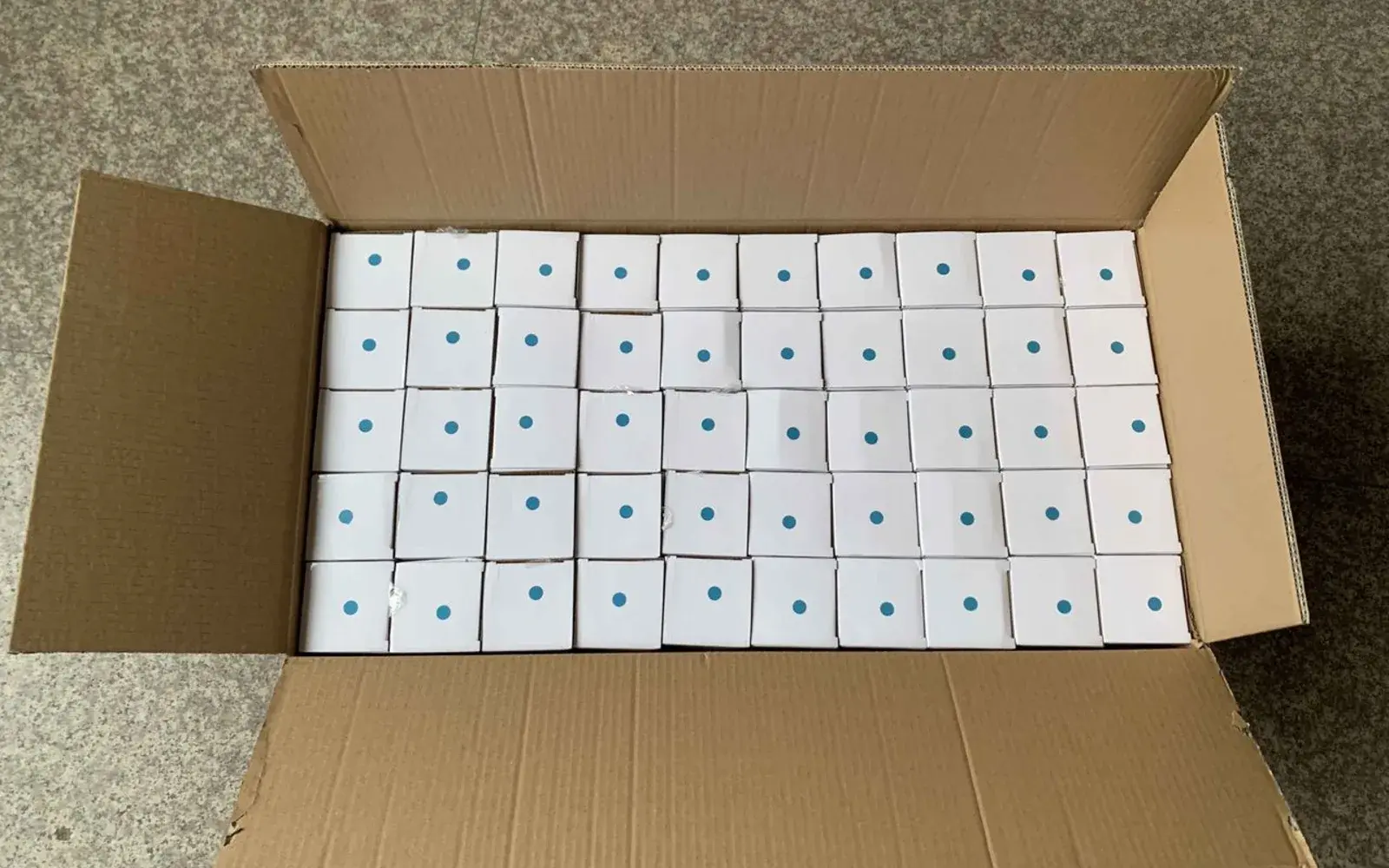
- Quantity and assortment: compare carton and unit counts by SKU, size and colour with the packing list.
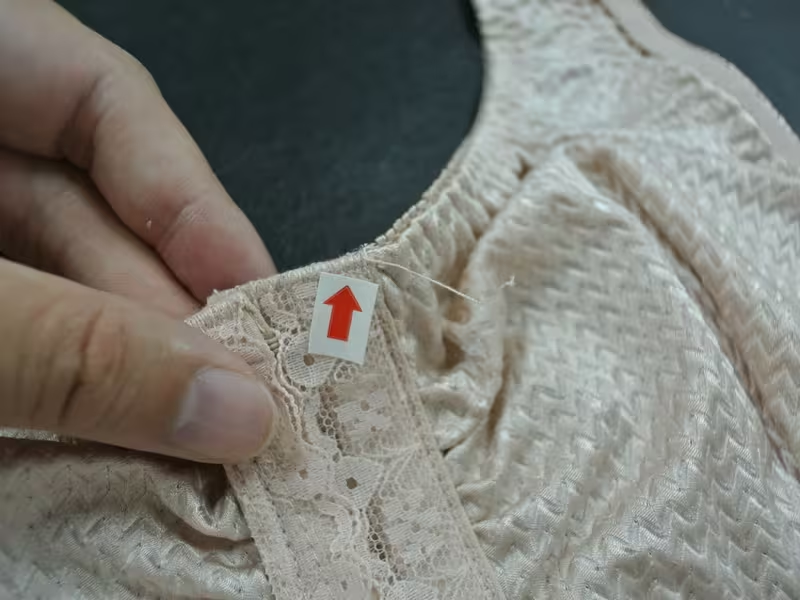
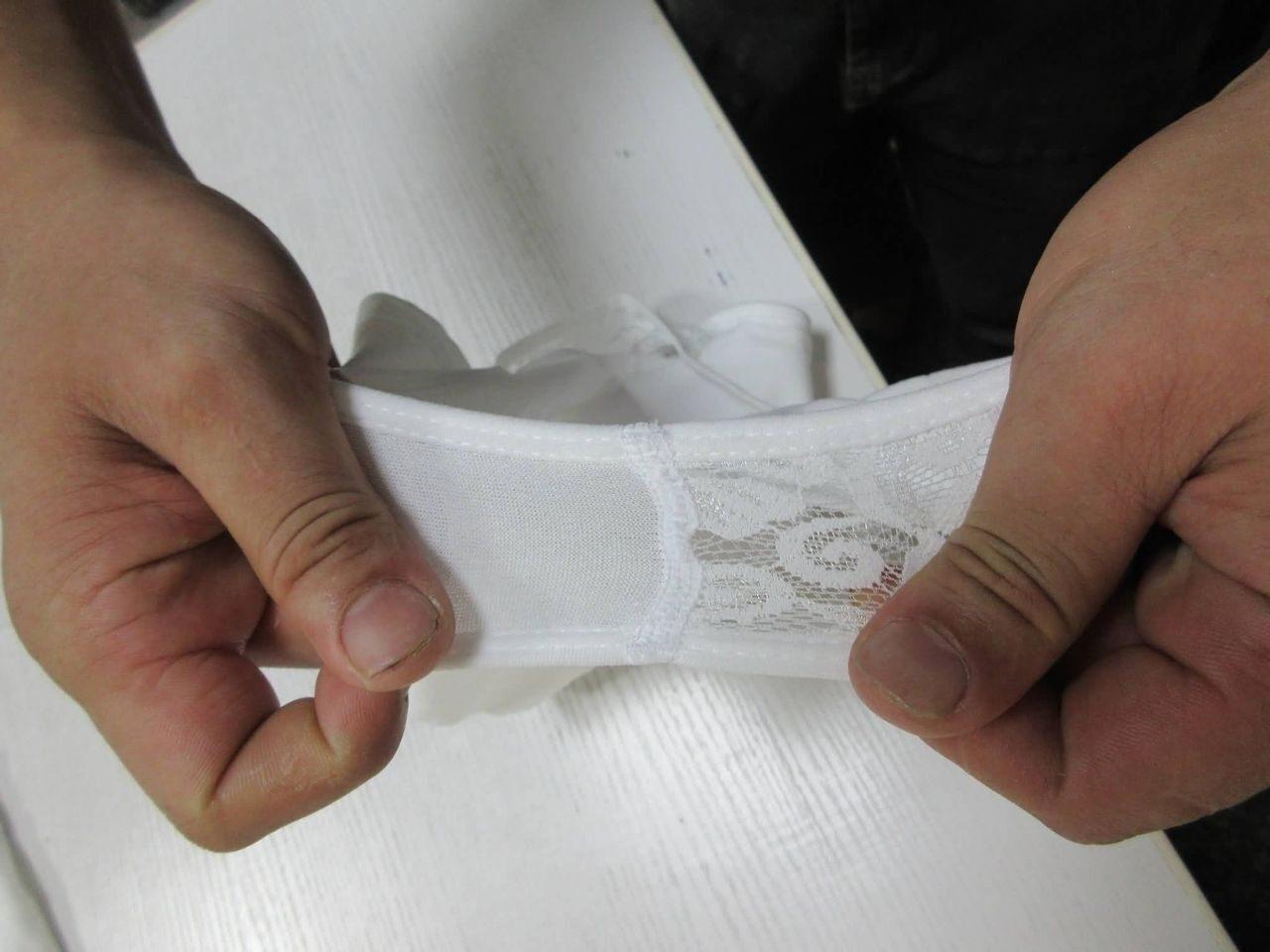
- Fabric and workmanship: compare colour and fabric with approved references; look for stains, holes, shade variation, skipped stitches and open seams.
- Measurements and function: measure agreed points against tolerances; check zippers, buttons and other agreed functions on the specified sample.
- Labels and packaging: compare care and size labels, barcodes, folding, bags and shipping marks with the approved instructions. Confirm applicable destination requirements separately.
Agree how defects will be classified
Agree which defects are critical, major or minor before inspection. A broken zipper or a measurement outside tolerance may be major; a small loose thread may be minor. Classification depends on the product, severity and buyer requirements, so examples are not automatic rules. Flag safety concerns separately and agree how they will be escalated.
Sampling and limits
Agree the lot definition, inspection level, AQL and acceptance and rejection numbers before inspection. A passed sample does not prove that every unit is defect-free. Record the SKUs and sizes covered, and define separate sample quantities for measurements or functional checks when needed.
The lot
Example: an order of 1,000 shirts is presented for inspection.
The sample
The inspector selects and checks a portion of the lot. The agreed sampling plan determines how many pieces to inspect.
The result
The findings are compared with the agreed criteria. A pass supports a lot decision; it does not mean every shirt was checked or is defect-free.
Turn findings into a shipment decision
Ask for measurements, defect counts, affected SKUs, photographs and any checks not completed. For example, if hoodie sleeves exceed tolerance and carton size marks are wrong, identify the affected stock, agree sorting or correction with the supplier and decide whether reinspection is needed before payment or shipment. The buyer makes the final decision.
Choose the right checkpoint
A factory audit can help assess a new supplier before an order. During-production inspection can identify recurring problems while correction is still possible; pre-shipment inspection checks the finished lot when enough goods are ready for sampling. On-site checks do not establish fiber composition or regulatory compliance by themselves: arrange any required specialist testing separately.
FAQ
Textile inspection questions
01Can an inspector check garment measurements?
+
Yes, when the scope includes measurements. Supply the measurement points, size chart and tolerances, and agree the sample size in advance.
02When should I book a pre-shipment textile inspection?
+
Arrange it when enough finished and packed goods are available for the agreed sampling plan, with time left for corrections or reinspection before shipment.
03Can an inspection confirm the fiber composition?
+
An inspector can compare labels and available documents with the agreed requirements. A visual check alone cannot verify fiber composition; arrange any necessary specialist testing separately.
04How many textile items will be inspected?
+
The agreed plan determines the sample size, based on the defined lot and inspection criteria. Discuss coverage by size, colour and SKU, as well as separate quantities for measurements or functional checks.
05What happens if the inspection finds defects?
+
Review the report, affected items and agreed criteria with your supplier. Depending on the findings, you may request sorting, correction or reinspection before making your shipment decision.