Stop Avoidable Defects Before the Goods Leave the Factory
Product defects are usually easier and less disruptive to correct while the goods are still at the factory. Once a shipment is loaded, paid for, or delivered to a warehouse, a simple quality issue can become a rework bill, a receiving delay, a return, or a supplier dispute.
The goal is not only to find defects during a final visit. It is to reduce ambiguity before production, catch recurring problems early enough for correction, and give the buyer clear evidence before shipment approval.
This checklist connects product specifications, supplier preparation, production-stage inspections, defect classification, AQL sampling, packaging and label checks, and the final inspection report into one shipment decision process.
Need to check goods before your supplier ships? Share the product, factory location, order stage, and target shipment date so the inspection scope can be confirmed.
Why Product Defects Happen Before Shipment
Many defects are not random. They come from unclear requirements, supplier interpretation, material changes, process drift, rushed packing, or weak final controls. Matching each risk to a prevention action makes the inspection more useful.
| Risk source | Typical result | Prevention and evidence |
|---|---|---|
| Unclear specification | Wrong size, material, finish, color, or function | Provide tolerances and references; request measurement and comparison photos. |
| Process drift | Repeated workmanship or consistency problems | Inspect during production when risk is high; document repeated patterns. |
| Rushed packing | Missing accessories, mixed variants, or weak carton protection | Check packing method, assortment, carton condition, and quantity before release. |
| Labeling error | Wrong barcode, warning, manual, or carton mark | Supply final files and placement rules; request clear label and carton photos. |
Choose the Quality Control Stage That Matches the Risk
A pre-shipment inspection is an important final checkpoint, but prevention may need to start earlier for a new supplier, a complex product, a tight schedule, or an order with expensive rework. The right stage depends on what decision the buyer still has time to make.
| Control stage | When to use it | Decision supported |
|---|---|---|
| Initial Production Check | At production start or during the first batch | Confirm materials, components, first pieces, and readiness before errors multiply. |
| During Production Inspection | When part of the order is complete and production continues | Correct process drift and recurring defects before the balance is finished. |
| Pre-Shipment Inspection | When goods are complete or close to complete and enough units are packed | Approve shipment, request rework, plan re-inspection, or hold the order. |
| Container Loading Supervision | On loading day | Confirm goods, quantities, loading condition, handling, and seal details. |
If production has not started, consider an Initial Production Check. If production is active, a During Production Inspection may still allow correction. If the goods are packed and ready, schedule a Pre-Shipment Inspection.
What Product Defect Prevention Means Before Shipment
Product defect prevention is the work done to reduce the chance that defective, incorrect, incomplete, or poorly packed goods leave the factory. It combines buyer requirements, supplier controls, representative inspection, and a documented release decision.
- Do the goods match the purchase order, specification, approved sample, and packaging standard?
- Are defects isolated, repeated across the batch, or serious enough to stop shipment?
- Are labels, barcodes, manuals, accessories, carton marks, and shipping marks correct?
- Does the report support a clear decision to ship, correct, re-inspect, or hold?
Before Production: Define Requirements an Inspector Can Check
A vague requirement forces the supplier and inspector to decide what acceptable means. Convert commercial expectations into measurable references before production begins.
| Preparation item | What to define | Why it matters |
|---|---|---|
| Purchase order and SKU list | Item numbers, quantities, variants, sizes, colors, and destination | Prevents quantity and assortment decisions from relying on memory. |
| Product specification | Dimensions, weight, materials, components, finish, tolerances, and function | Creates objective checkpoints for the actual goods. |
| Approved sample or photos | Workmanship, construction, color, logo position, and appearance | Provides a practical comparison benchmark. |
| Packaging standard | Retail pack, inner protection, polybag, carton, packing quantity, and transit concerns | Reduces damage, missing parts, and inconsistent packing. |
| Labels and barcodes | Final artwork, content, placement, warnings, carton marks, and marketplace files | Prevents relabeling, receiving problems, and traceability gaps. |
| Test and defect rules | Test method, sample count, failure condition, critical/major/minor definitions, and AQL | Makes the result repeatable and the shipment decision less subjective. |
Supplier Readiness Checklist Before Final Inspection
The factory should be ready for representative sampling and an accurate shipment review. An inspection performed against unfinished, mixed, or poorly organized goods may not answer whether the shipment is actually ready.
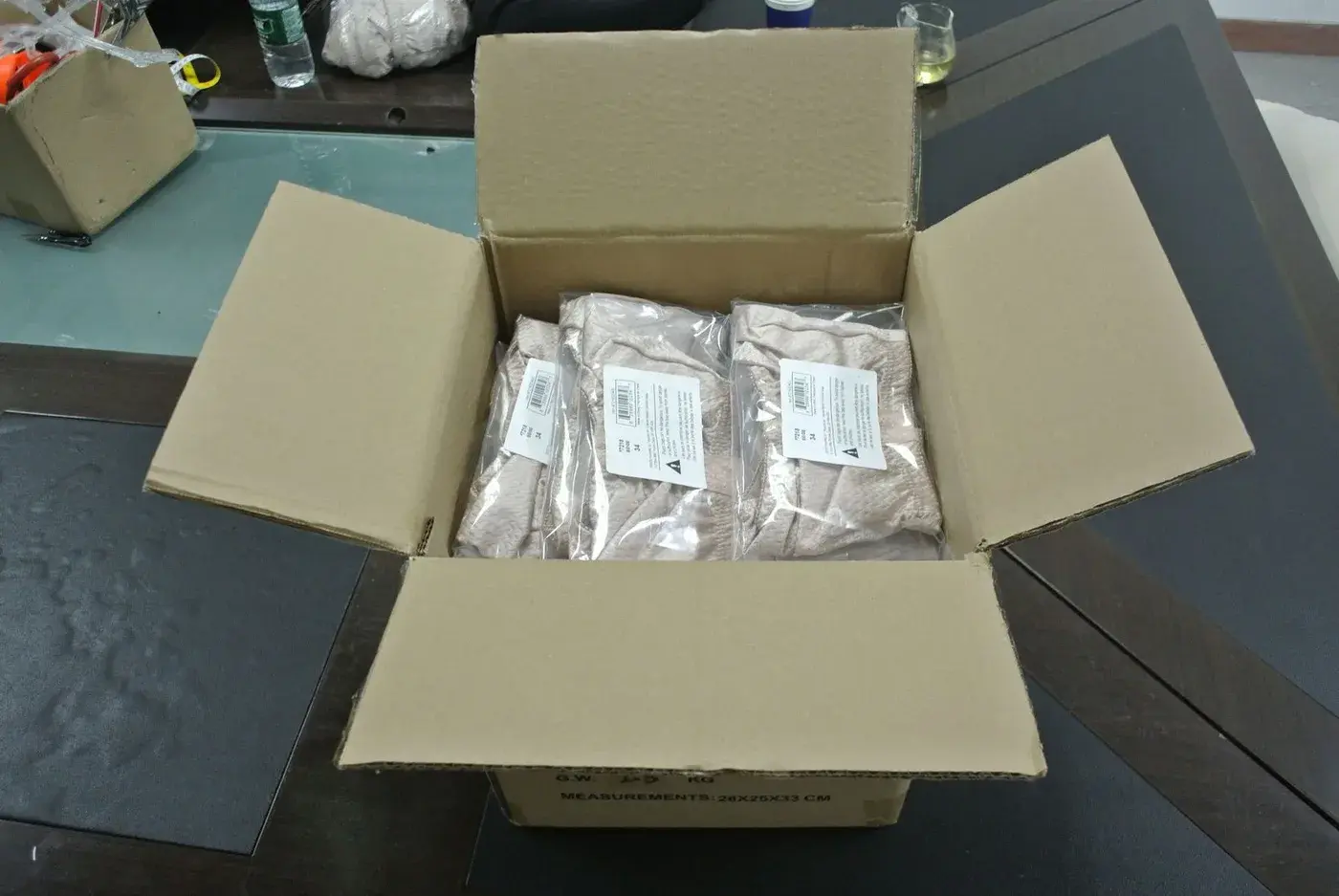
- Confirm production is complete or close to complete and enough units are packed.
- Separate finished, rejected, reworked, and pending goods.
- Provide the latest packing list and quantity breakdown by SKU, color, size, or variant.
- Make inspection space, power, tools, and samples available where required.
- Make final label, barcode, manual, packaging, and approved-reference files available.
- Confirm the factory address, contact person, order stage, target inspection date, and shipment date.
Product Defect Prevention Checklist Before Shipment
Adapt the inspection scope to the product category, destination, buyer requirements, and order risk. The checklist below is a practical starting point, not a substitute for product-specific instructions.
| Checklist area | What to check | Decision evidence |
|---|---|---|
| Quantity and assortment | Total units, SKU split, sizes, colors, variants, accessories, and spare parts | Counts, packing-list comparison, and sampled SKU records |
| Workmanship | Scratches, cracks, stains, dents, loose parts, rough edges, stitching, glue, and cosmetic consistency | Close-up photos, location, frequency, and defect severity |
| Specifications | Dimensions, weight, materials, components, color, finish, tolerances, and approved-sample match | Measurement photos and comparison observations |
| Function | Assembly, fit, operation, power-on, charging, locking, opening, closing, load, or buyer-defined tests | Test method, sample count, result, photos, and short video when useful |
| Visible safety observations | Sharp edges, loose components, accessible small parts, heat, or missing buyer-specified warnings | Clear photos and risk notes; visible inspection is not a compliance certification |
| Packaging | Retail pack, inserts, inner protection, polybags, sealing, carton strength, packing quantity, and carton condition | Packing-method photos, carton photos, and comparison with the approved standard |
| Labels and barcodes | Product labels, placement, content, manuals, warnings, barcode match, and representative readability checks | Label photos, file comparison, and representative scan results where applicable |
| Carton and shipping marks | Carton number, PO, SKU, destination, gross and net weight, dimensions, handling marks, and traceability | Carton-mark photos, dimensions, weights, and condition notes |
| Sampling and report | Lot definition, random sample, critical/major/minor counts, repeated patterns, agreed limits, and final findings | Sample summary, defect breakdown, photos, observations, and next steps |
Classify Defects as Critical, Major, or Minor
Defect classification prevents a vague debate about whether a problem is acceptable. Define severity before inspection and adapt examples to the product, buyer expectations, destination requirements, and actual risk.
| Defect class | Practical meaning | Typical buyer response |
|---|---|---|
| Critical | A serious safety, regulatory, or severe usability concern under the agreed criteria | Hold shipment and investigate before release. |
| Major | Likely to affect function, saleability, appearance, customer acceptance, or order compliance | Request rework, sorting, replacement, or buyer review before shipment. |
| Minor | Usually does not affect core function but may reduce appearance or finish quality | Accept within the agreed limit, monitor the trend, or request improvement. |
Use AQL Sampling Without Treating It as Automatic Shipment Approval
AQL gives buyers a structured way to inspect a representative sample rather than every unit. It helps define sample size and acceptance limits, but it cannot guarantee that every possible defect will be found.
Review the actual defect types, repeated patterns, proximity to the rejection limit, and likely customer impact before releasing the shipment. A numerical pass does not remove the need for buyer judgment.
- Define which finished goods belong to the inspection lot.
- Agree how many units will be selected randomly.
- Set acceptance limits for critical, major, and minor defects.
- Define what happens after a failure or a repeated issue pattern.
- Agree whether correction requires sorting, rework, replacement, or re-inspection.
AQL is a sampling framework, not a product guarantee. Combine it with clear specifications, product-specific tests, defect definitions, and photo evidence.
Adapt Defect Prevention to the Buyer and Sales Channel
The control method is consistent, but priorities change by business model. The buyer should supply current requirements for the product, destination, warehouse, and marketplace.
| Buyer type | Priority controls | Decision risk |
|---|---|---|
| Amazon FBA seller | Product condition, retail packaging, seller-provided warnings, labels, barcodes, carton information, quantity, and assortment | Returns, negative reviews, relabeling, or receiving delays |
| Ecommerce or private-label brand | Batch consistency, color, finish, components, logo position, unboxing, and approved-sample match | Brand inconsistency, customer complaints, and repeat-order drift |
| Sourcing or procurement team | Defined scope, traceable findings, photos, defect breakdown, and corrective next steps | Approving payment or shipment without enough independent evidence |
What Can Go Wrong Without Defect Prevention?
Supplier updates can be helpful, but they do not replace independent product-level evidence. Without a defined control process, the buyer may approve shipment before the real condition of the lot is clear.
- The quantity is incomplete or the SKU assortment is wrong.
- Finished goods do not match the approved sample or specification.
- Repeated workmanship or functional defects continue across the batch.
- Packaging is too weak or inconsistent for the planned journey and sales channel.
- Labels, barcodes, manuals, carton marks, or shipping marks are missing or wrong.
- The supplier ships before sorting, rework, replacement, or evidence review is complete.
- The buyer releases the balance without independent field evidence.
What a Decision-Ready Inspection Report Should Include
A report should not be paperwork for its own sake. It should show what was checked, what was found, how the result compares with the agreed criteria, and what the buyer may need to do next.
- Inspection date, factory location, product and order details, and agreed scope.
- Quantity and assortment findings compared with the purchase order or packing list.
- Workmanship findings, visible defects, and clear close-up photos.
- Measurement, specification, and function-test results where relevant.
- Packaging, labels, manuals, barcodes, carton condition, and shipping-mark observations.
- Defect breakdown by critical, major, and minor categories under the agreed criteria.
- A clear result summary plus recommended correction, evidence, or re-inspection steps.
How Asia Product Inspections Helps Prevent Shipment Problems
Asia Product Inspections provides on-the-ground inspection and audit services across China, Vietnam, India, Indonesia, Pakistan, and the Philippines. The purpose is to give buyers photo-based findings, defect and risk observations, and practical next steps before important supplier, payment, and shipment decisions.
The most useful service depends on the order stage and the decision still available to the buyer. A final PSI checks shipment readiness; earlier production checks can catch problems before they spread; an audit reviews supplier capability; and loading supervision documents dispatch-day controls.
- Pre-Shipment Inspection for finished goods, packaging, labels, cartons, and shipment readiness.
- Product Inspection for a stage-specific scope aligned with buyer requirements.
- During Production Inspection to identify recurring issues while production continues.
- Initial Production Check for materials, components, first pieces, and production readiness.
- Factory Audit to review supplier capability and operating controls before commitment or scaling.
- Container Loading Supervision for goods, counts, handling, loading condition, and seal details on dispatch day.
Share the product specification, approved sample requirements, factory location, order stage, and target shipment date to confirm the right scope.
Turn Defect Prevention Into a Shipment Decision Process
Product defect prevention is not a single final check. It is a sequence of clear requirements, supplier preparation, well-timed inspection, objective defect rules, representative sampling, photo evidence, and corrective follow-up.
Before approving shipment, confirm that the supplier produced the right goods, packed and labeled them correctly, and addressed serious findings. The inspection report should make the remaining choice clear: ship, correct, re-inspect, or hold.
FAQ
FAQ: Product Defect Prevention Before Shipment
01What is the best way to prevent product defects before shipment?
+
Define inspectable requirements before production, choose the control stage that matches the risk, classify defects in advance, use representative sampling where appropriate, and review photo-based findings before shipment approval.
02Is a pre-shipment inspection enough to prevent every defect?
+
No inspection can guarantee that every possible defect will be found. PSI reduces risk by checking representative samples and shipment readiness. Higher-risk orders may also justify an Initial Production Check or During Production Inspection.
03When should I book a pre-shipment inspection?
+
Book it when production is complete or close to complete and enough finished units are packed for representative sampling. Leave enough time before shipment for correction and possible re-inspection.
04What should a product defect prevention checklist include?
+
Include quantity, assortment, workmanship, specifications, dimensions, materials, color, function tests, visible safety observations, packaging, labels, barcodes, carton marks, defect classification, sampling, photos, and the final shipment decision.
05Can an inspector use my own product checklist?
+
Yes. Send the purchase order, specification, approved-sample details, packaging standard, label files, test instructions, defect examples, critical tolerances, and sampling criteria before the visit.
06What happens if defects are found before shipment?
+
The buyer can ask the supplier to sort, rework, replace, repack, relabel, or hold goods according to the defect type, quantity, and agreed criteria. A follow-up inspection may be appropriate after correction.
07Do Amazon FBA sellers need a pre-shipment inspection?
+
Inspection can help verify product condition, quantity, assortment, packaging, seller-provided labels, barcodes, carton information, and packing accuracy before goods go to Amazon or a preparation center. The seller remains responsible for supplying current marketplace requirements.
08Do I need a factory audit as well as a product inspection?
+
A factory audit is useful before onboarding a supplier, increasing volume, or when capability and operating controls are unclear. Product inspection checks the actual goods; the audit reviews supplier capability and process risk.