Importing products from China for Amazon FBA can be profitable, but the shipment must be right before it leaves the supplier. Once cartons are loaded, defects, missing units, incorrect labels, damaged packaging, and barcode mistakes become harder and more expensive to correct.
A strong pre-shipment inspection checklist gives Amazon sellers, ecommerce brands, private label businesses, sourcing teams, and procurement teams a practical way to check the order before approving shipment or paying the final supplier balance.
This guide explains what to include in an Amazon FBA inspection for China suppliers, how a pre-shipment inspection works, what inspectors typically check, and how to use the inspection report to make a better shipment decision.
Need to check goods before your China supplier ships? Request a pre-shipment inspection and share your product details, factory location, order stage, and target shipment date.
Amazon FBA Quality Checklist: What to Verify Before Shipment
Use this checklist as a practical framework for a China supplier inspection. Adapt the checks to the product, sales channel, destination market, and buyer requirements. For detailed packaging and label checks, see the dedicated Amazon FBA packaging and labeling guide.
| Inspection area | What to check | Why it matters | Evidence to request |
|---|---|---|---|
| Quantity and assortment | Units, SKUs, variants, size or color breakdown, and carton count | Avoid incomplete or incorrect shipments | Count photos and packing list comparison |
| Workmanship | Scratches, cracks, stains, dents, stitching, printing, missing parts, and finish | Reduce returns and complaints | Defect close-ups and defect list |
| Specifications | Model, function, materials, finish, accessories, and approved sample match | Confirm product matches the order | Sample comparison and notes |
| Dimensions and weight | Product measurements, net weight, carton weight, and carton dimensions | Control fit, listing, packaging, and freight risks | Measurement photos |
| Colors and components | Color match, component count, materials, accessories, and inserts | Prevent substitution or batch inconsistency | Component photos |
| Function tests | Product-specific operation checks and assembly checks | Catch usability failures | Test photos or videos |
| Safety observations | Visible safety risks, warning labels, age grading, and instructions | Escalate high-risk issues | Critical defect photos |
| Packaging | Retail box, polybag, inner packing, carton protection, and sealing method | Reduce damage and repacking risk | Packaging photos |
| Labels and barcodes | UPC, EAN, JAN, ISBN, Amazon barcode, FNSKU, model labels, warnings, and country marks | Avoid receiving or customer issues | Label and scan photos |
| Carton markings | SKU, PO, carton number, quantity, gross weight, dimensions, and destination marks | Support shipment matching | Carton marking photos |
| Shipping marks | Destination, handling marks, buyer marks, and forwarder requirements | Reduce logistics confusion | Outer carton photos |
| Amazon FBA readiness | Unit labels, carton labels, box contents, packaging condition, and shipment-plan alignment | Reduce FBA receiving issues | FBA label and carton photos |
| Defect classification | Critical, major, and minor defects based on buyer tolerance | Make the result actionable | Defect breakdown |
| AQL sampling | Lot size, sample size, and accepted defect limits | Support an objective shipment decision | Sampling summary |
| Final report | Summary, photos, defects, observations, and shipment-readiness conclusion | Decide whether to ship or rework | Final inspection report |
What to Prepare Before the Inspector Arrives
A product inspection checklist is only as useful as the information behind it. Before the inspection date, prepare a complete order brief so the inspector can compare real products against agreed requirements instead of relying on general judgment.
For Amazon FBA shipments, send the product specification, packing list, packaging files, barcode files, FNSKU labels where used, carton label requirements, and any shipment-plan details that affect product identity or receiving.
- Purchase order, pro forma invoice, or order confirmation with quantities, SKUs, and variants.
- Product specification sheet with dimensions, weight, materials, color references, components, and tolerances.
- Approved sample, golden sample, or approved photos where available.
- Packing list and carton breakdown.
- Retail packaging artwork and packaging standard.
- Amazon FBA labels, product barcodes, FNSKU labels where used, carton labels, and shipping marks.
- Manuals, inserts, warning labels, suffocation warnings, country-of-origin marks, or other label requirements.
- Function test instructions, battery tests, assembly checks, performance criteria, or product-specific safety checks.
- Defect classification rules and AQL sampling level if your company uses them.
What Is a Pre-Shipment Inspection?
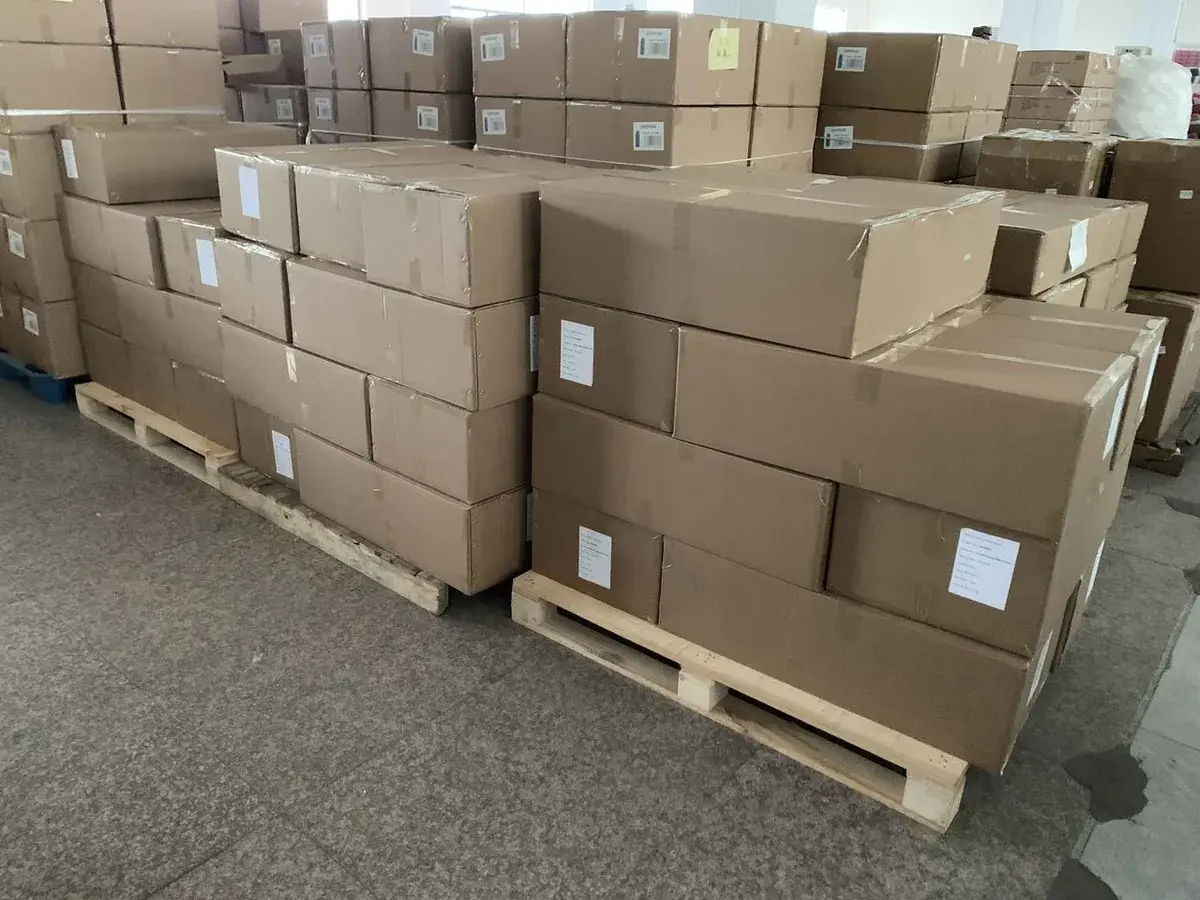
A pre-shipment inspection, often shortened to PSI, is a final quality control inspection before finished goods leave the factory. The purpose is to compare the actual products, packaging, labels, cartons, and shipment condition against the buyer specification, approved sample, purchase order, packaging standard, and agreed quality level.
For Amazon FBA sellers, PSI is the stage where product quality and FBA preparation are checked together. The report should give a clear inspection summary, defect breakdown, photo evidence, packaging observations, and a shipment-readiness conclusion.
Why Amazon FBA Sellers Need a Pre-Shipment Inspection in China
Amazon FBA sellers face a specific mix of quality and fulfillment risk. A product may look acceptable in supplier photos but still create problems if it arrives with wrong barcodes, weak retail packaging, mixed variants, missing accessories, visible defects, or carton information that does not match the shipment plan.
A pre-shipment inspection checklist helps sellers and sourcing teams verify the order while corrective action is still possible. It supports supplier quality control by creating field evidence, not just promises.
| What can go wrong | Business impact | Checklist control |
|---|---|---|
| Wrong product, variant, or color | Inventory cannot be sold as planned | Quantity, SKU, model, color, size, and assortment checks |
| Poor workmanship or cosmetic defects | Returns, poor reviews, and brand damage | AQL sampling, defect classification, visual inspection, and photo evidence |
| Incorrect barcode or label placement | Receiving delays, relabeling cost, or inventory errors | Barcode scan checks, label content checks, and placement photos |
| Weak retail box or export carton | Damage risk and poor customer experience | Packaging, carton condition, protection, and marking checks |
| Missing accessories, manuals, or inserts | Customer complaints and listing mismatch | Bill of materials, manual, accessory, and component checks |
| Supplier ships before issues are documented | Less leverage before final payment or shipment | Final report with defects, photos, and recommended next steps |
When Should You Book the Inspection?
Book the Amazon FBA inspection when production is complete or close to complete and enough units are packed for representative sampling.
If the order is still in production and you already see signs of quality drift, a during production inspection may be more suitable because it can identify issue patterns while the supplier still has time to correct the balance of the order.
For a pre-shipment inspection, do not wait until the container is already scheduled for immediate loading. Leave time for the supplier to rework defects, replace missing parts, correct labels, repack cartons, or clarify findings before goods leave the factory.
Not sure whether you need a PSI, during production inspection, factory audit, or container loading supervision? Asia Product Inspections can help confirm the right scope based on your order stage and risk points.
Amazon FBA Readiness Checks
An Amazon FBA inspection checklist should include general FBA readiness checks, while the seller remains responsible for confirming the latest Amazon rules for the product category, marketplace, and shipping workflow.
As a general inspection point, the inspector should verify that product barcodes and shipping labels match the files generated or approved for the shipment, and that packaging condition is suitable for the agreed shipment plan.
| FBA readiness area | What to verify | Risk reduced |
|---|---|---|
| Product identity | SKU, listing details, model, variation, color, size, bundle, and set quantity | Wrong inventory or customer complaints |
| Unit barcode | UPC, EAN, JAN, ISBN, or Amazon barcode/FNSKU where applicable | Receiving and inventory identification issues |
| Barcode quality | Scannable, flat, clean, readable, not covered, damaged, or distorted | Delays, relabeling, or misidentification |
| Unit packaging | Retail box, polybag, insert, manual, accessory pack, and warnings where required | Damage, returns, or prep issues |
| Carton labels | Correct carton label or FBA box ID label from the shipment workflow where required | Inbound receiving delays |
| Carton condition | Strong, sealed, dry, clean, not crushed, with correct count and weight | Damage and warehouse handling risk |
| Box contents | Carton content matches packing list and shipment plan | Inventory receiving and reconciliation issues |
Defect Classification and AQL Sampling
Defect classification helps the buyer and supplier interpret the inspection result. A scratch on inner packaging may not have the same importance as a safety issue, missing component, wrong product, or non-functioning unit.
AQL sampling is commonly used in product inspection to decide how many units to inspect and what defect limits apply to the order. It is a practical sampling method for shipment decisions, not a guarantee that every unit is defect-free.
| Defect type | Practical meaning | Examples |
|---|---|---|
| Critical defect | A defect that may create a safety risk, legal concern, or product that should not ship without urgent review. | Exposed wiring, sharp hazardous edge, wrong warning label on a regulated product, or unsafe failure. |
| Major defect | A defect likely to affect product use, saleability, customer experience, listing accuracy, or brand presentation. | Non-functioning unit, wrong material, missing accessory, wrong color, damaged retail box, or unreadable barcode. |
| Minor defect | A defect that is noticeable but may not significantly affect function or saleability, depending on buyer tolerance. | Small cosmetic mark, minor packaging scuff, or slight printing misalignment within tolerance. |
Examples for Importers and Amazon Sellers
A seller orders two variations of the same product from a China supplier. The products look correct, but the FNSKU labels are swapped between colors. A barcode and variant check before shipment gives the seller evidence to request relabeling before cartons leave the factory.
An ecommerce brand approves a retail box design, but mass production uses an older artwork file. A packaging inspection catches the mismatch before shipment, so the buyer can decide whether to accept, rework, or hold the order.
A sampled electronic accessory powers on, but several units fail a basic charging or connection test. The issue is classified as major because it affects use, and the inspection report supports sorting, rework, or re-inspection before shipment.
Pre-Shipment Inspection vs Factory Audit vs During Production Inspection
Importers often use the term factory inspection broadly, but the right service depends on timing and risk. Pre-shipment inspection is a final product and packaging check. During production inspection happens earlier while production is still running. Factory audit reviews supplier capability before onboarding or scaling a supplier.
| Service | When it happens | Main focus | Best used for |
|---|---|---|---|
| Pre-shipment inspection | When production is complete or close to complete | Finished product quality, packaging, labels, cartons, function checks, and shipment readiness | Before approving shipment |
| During production inspection | When part of the order is completed and the rest is still in production | Workmanship trends, process consistency, production progress, and issue patterns | When correction is needed before the whole order is finished |
| Factory audit | Before placing, expanding, or relying on a supplier | Factory organization, facilities, equipment, production flow, quality control process, and capacity indicators | Before committing to a supplier or scaling orders |
| Container loading supervision | On loading day | Container condition, carton count, handling, loading method, visible damage risks, and seal details | When shipment-day accuracy and handling are high-risk |
How Asia Product Inspections Can Help
Asia Product Inspections provides on-the-ground product inspection, pre-shipment inspection, during production inspection, factory audit, social compliance audit, container loading supervision, and quality control support across Asia.
For a China supplier preparing an Amazon FBA shipment, the inspection scope can review product quantity and assortment, workmanship and visual defects, measurements and specification points, labeling, manuals, barcodes, packaging, carton condition, packing accuracy, and selected on-site function tests where relevant.
The inspection can be aligned with the buyer specification sheet, approved sample, packaging standard, or agreed checklist. The goal is to provide clear field evidence, photo-based findings, defect or risk observations, and recommended next steps so buyers can make a shipment-readiness decision.
Contact Asia Product Inspections before your supplier ships your goods. Request a pre-shipment inspection quote for China or another covered sourcing country in Asia.
Conclusion: Check Before Your Supplier Ships
A strong Amazon FBA inspection checklist is not just a formality. It is a practical risk-control tool for importers buying from China suppliers.
By checking quantity, workmanship, specifications, dimensions, colors, materials, components, functionality, safety observations, packaging, barcodes, carton markings, shipping marks, defect levels, AQL sampling, and final report evidence, you can make a clearer decision before goods leave the factory.
For Amazon FBA sellers, ecommerce brands, private label businesses, sourcing managers, and procurement teams, the best time to find problems is before shipment, not after inventory arrives at a fulfillment center or customer complaints begin.
Ready to inspect your order before shipment? Request a pre-shipment inspection, get a product inspection quote, or contact Asia Product Inspections before your supplier ships your goods from China or another covered sourcing country in Asia.
FAQ
FAQ: Amazon FBA Inspection Checklist
01What is included in an Amazon FBA inspection checklist?
+
An Amazon FBA inspection checklist should include product quantity, SKU and variation checks, workmanship, dimensions, weight, materials, components, function testing, safety observations, packaging, product labels, barcodes, carton markings, shipping marks, FBA-related labels, defect classification, AQL sampling, photos, and a final inspection report.
02Is a pre-shipment inspection the same as an Amazon FBA inspection?
+
Not exactly. A pre-shipment inspection is the inspection stage. An Amazon FBA inspection is a pre-shipment or product inspection scope adapted to Amazon sellers, with added focus on barcode, labeling, packaging, carton, and shipment-plan details.
03When should I book a pre-shipment inspection in China?
+
Book the inspection when production is complete or close to complete and enough units are packed for representative sampling. Leave enough time before shipment for correction, rework, relabeling, or re-inspection if needed.
04Can the inspector use my own PSI checklist?
+
Yes. A product inspection can be aligned with your specification sheet, approved sample, packaging standard, or agreed checklist. The clearer your documents are, the more useful the inspection report will be.
05Does a pre-shipment inspection check every unit?
+
Usually, a pre-shipment inspection uses a sampling plan such as AQL rather than checking every unit. The sample size and acceptance criteria should be agreed before inspection based on the lot size and product risk.
06What happens if the inspection fails?
+
The buyer can hold shipment, request supplier correction, sort defective units, replace affected products, relabel or repack, negotiate with the supplier, or schedule a re-inspection before approving shipment.
07Does PSI include packaging and barcode checks?
+
Yes. Packaging and labeling are important parts of a pre-shipment inspection when relevant to the order. For Amazon FBA shipments, barcode and label checks should be treated as a key risk area.
08Should I also do a factory audit?
+
A factory audit is useful before onboarding a new supplier, scaling volume, or placing a high-risk order. It reviews supplier capability and quality processes, while PSI checks finished goods before shipment.
09Can Asia Product Inspections inspect outside China?
+
Yes. Asia Product Inspections supports inspections, audits, and quality control across China, Vietnam, India, Indonesia, Pakistan, and the Philippines.
10Does an inspection guarantee Amazon acceptance or legal compliance?
+
No. A quality control inspection provides field evidence and a shipment-readiness view based on the agreed scope. Amazon acceptance, legal compliance, and destination-market requirements remain the seller or importer responsibility and may require independent third-party conformity assessment or testing.