Buying from Alibaba can be a practical way to source products from China and across Asia, but paying the supplier balance before verifying the goods can create serious risk. Supplier photos, videos, and production updates can help, but they do not replace an independent quality control inspection at the factory.
Before you approve shipment or release the final payment, you need clear evidence that the goods match your purchase order, approved sample, product specifications, packaging requirements, labeling requirements, and shipping instructions.
A pre-shipment inspection, also called a PSI, is a final product inspection before goods leave the factory. It helps importers, Amazon FBA sellers, ecommerce brands, private label businesses, sourcing managers, and procurement teams make a better shipment decision before the order is dispatched.
Before a deposit to a new supplier, verify its identity, production site and capabilities. Before final payment, inspect the finished goods against your order. An audit and a pre-shipment inspection answer different questions; neither changes your payment contract.
Check the Supplier Business and Factory Information
Verifying an Alibaba supplier should not be a single step. It should start before placing the order and continue until the goods are ready to ship.
Before paying a deposit or final balance, collect basic supplier information and compare it with the production site details. For higher-risk orders, new suppliers, or large purchase volumes, consider a factory inspection or factory audit before placing or expanding an order.
- Legal company name
- Factory address
- Export company address, if different
- Contact person details
- Production site location
- Product category experience
- Business documents where available
- Photos or videos of the production area
- Previous product examples, if relevant
Confirm the Purchase Order and Product Specifications
A vague purchase order creates room for mistakes. Before production starts, confirm the product model, materials, dimensions, branding, packaging method, carton details, labeling requirements, function test expectations, tolerances, and defect classification rules.
For private label products, the approved sample should be treated as a reference point, but not the only requirement. Your supplier and inspector should also have a written product quality checklist.
- Product model or style number
- Materials and components
- Colors and finishes
- Dimensions and weight
- Logo placement and branding
- Packaging method
- Labeling and barcode requirements
- Required manuals, inserts, warnings, or compliance markings
- Function test expectations
- Acceptable tolerances
Avoid Paying the Final Balance Without Inspection Evidence
The safest time to verify finished goods is before final payment and before shipment. Once goods leave the factory, your options may become limited.
Use each sourcing stage to reduce a different type of risk. Supplier review helps before deposit, written specifications help before production, production-stage checks help during manufacturing, and a PSI helps before releasing the balance.
| Stage | Buyer Action |
|---|---|
| Before deposit | Review supplier, factory details, quotation, product scope, and payment terms. |
| Before production | Approve sample, specifications, packaging, and labeling. |
| During production | Use a during production inspection if the order is complex, high-risk, or time-sensitive. |
| Before final payment | Book a pre-shipment inspection. |
| Before shipment | Review the PSI report, photos, defects, packaging findings, and shipment-readiness conclusion. |
Need evidence before releasing the balance to your Alibaba supplier? Request a pre-shipment inspection and review the findings before shipment.
What Is a Pre-Shipment Inspection?
A pre-shipment inspection is a final quality control inspection performed when production is complete or close to complete, and enough goods are packed for representative sampling.
The purpose is to verify whether finished products are ready to ship. Inspectors compare the order against buyer requirements, including quantity, workmanship, specifications, functionality, packaging, labeling, and shipment readiness.
For importers, the main value is simple: a PSI gives you practical evidence before shipment, not after the goods arrive in your warehouse or at Amazon.
| Inspection Area | What It Verifies |
|---|---|
| Product quantity | Correct number of units, SKUs, colors, sizes, and variants. |
| Workmanship | Visual defects, poor assembly, stains, scratches, cracks, dents, loose parts, or other quality issues. |
| Specifications | Product size, material, color, finish, components, and key requirements. |
| Functionality | Basic on-site function tests where relevant. |
| Packaging | Retail packaging, inner packaging, master cartons, protection, and packing accuracy. |
| Labeling | Labels, manuals, barcodes, warnings, shipping marks, carton markings, and Amazon FBA requirements where relevant. |
| Shipment readiness | Whether the order appears ready to ship, needs rework, or requires buyer review. |
Why You Should Verify an Alibaba Supplier Before Payment
Many importers pay a deposit first and then pay the balance before shipment. This creates a critical decision point: once the supplier receives final payment and ships the goods, fixing problems becomes harder, slower, and more expensive.
A supplier may have internal QC, but supplier quality control is not the same as buyer-side inspection. Your supplier goal is to complete production and ship. Your goal is to confirm that the goods meet your commercial, brand, and customer requirements before payment.
| Risk Before Inspection | Possible Result After Shipment |
|---|---|
| Quantity shortage | You pay for units that were not produced or shipped. |
| Wrong product version | Goods do not match your approved sample or listing. |
| Poor workmanship | Higher returns, complaints, or failed customer expectations. |
| Packaging damage | Products arrive crushed, loose, or unsellable. |
| Barcode or label errors | Receiving delays, relabeling costs, or Amazon FBA issues. |
| Incorrect carton markings | Warehouse confusion or shipping delays. |
| Function failures | Products cannot be sold without rework or replacement. |
| Supplier quality drift | Later batches differ from the first approved sample. |
When Should You Book a Pre-Shipment Inspection?
Book the PSI when production is complete or close to complete, and enough units are packed for representative sampling.
Do not wait until the container is already booked for immediate loading. If the inspector finds defects, incorrect labels, wrong packaging, or quantity issues, you need time to ask the supplier for correction.
- After finished goods are produced
- Before goods leave the factory
- Before final payment is released
- Before the forwarder collects the shipment
- When cartons are substantially packed and available for inspection
What to Prepare Before the Inspection
A pre-shipment inspection is only as good as the information given to the inspector. Before the inspection date, prepare a complete inspection brief.
Send the purchase order, product specification sheet, approved sample details, packing list, packaging standard, label files, barcode files, Amazon FBA requirements if relevant, critical defect list, function test instructions, factory address, and target shipment date.
| Item | Why It Matters |
|---|---|
| Purchase order | Confirms product, quantity, SKU, and commercial order details. |
| Product specification sheet | Defines materials, dimensions, weight, finish, and performance requirements. |
| Approved sample details | Helps compare production goods against the approved reference. |
| Packing list | Allows quantity, assortment, and carton checks. |
| Packaging standard | Confirms retail box, inner packing, polybags, inserts, and carton requirements. |
| Label and barcode files | Helps verify barcode placement, readability, and label accuracy. |
| Function test instructions | Tells the inspector what basic on-site tests to perform. |
| Factory address and contact | Helps arrange the visit correctly. |
Pre-Shipment Inspection Checklist: Product Checks
Use the first part of the checklist to confirm that the supplier produced the right goods in the right quantity and that the product matches the agreed requirements.
Quantity checks should cover total order quantity, finished units, packed units, SKU breakdown, color breakdown, size breakdown, model breakdown, shortages, overages, and comparison with the purchase order and packing list.
Workmanship checks focus on scratches, cracks, dents, stains, poor stitching, glue marks, uneven finishing, loose parts, rust, sharp edges, misalignment, broken components, poor assembly, and missing accessories.
Specification checks confirm the purchase order, approved sample, technical drawing, specification sheet, packaging standard, listing requirements, and brand guide where relevant.
A supplier may say production is complete, but the inspection should verify the actual quantities, variants, workmanship, and specification points before shipment.
Pre-Shipment Inspection Checklist: Measurement, Function, and Safety
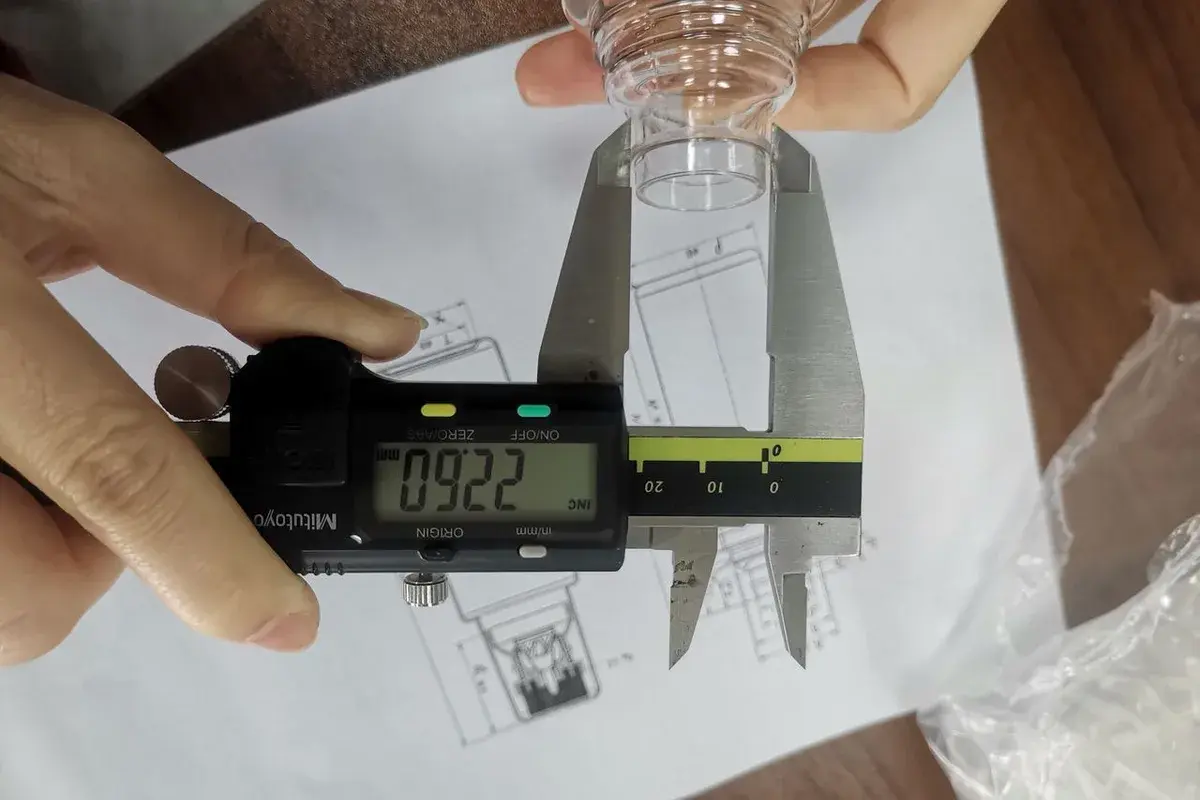
Dimensions and weight can affect product usability, packaging, shipping cost, and marketplace listings. Inspect product dimensions, unit weight, retail box size, master carton size, gross weight, net weight, and agreed tolerances.
For ecommerce and private label products, small differences in color, material, component count, logo placement, surface finish, texture, and batch consistency can create major customer complaints.
A PSI can include selected on-site function tests where relevant to the product, such as power-on checks, button operation, assembly tests, fit tests, opening and closing tests, basic load or stability checks, zipper or fastener tests, display checks, accessory compatibility checks, and basic usability checks.
A pre-shipment inspection is not a substitute for independent third-party conformity assessment or testing, or for legal compliance certification, but inspectors can still check visible safety-related issues such as sharp edges, exposed wires, loose small parts, broken parts, poor assembly, missing warnings, incorrect safety labels, visible contamination, or damaged protective packaging.
Pre-Shipment Inspection Checklist: Packaging, Labels, and Cartons
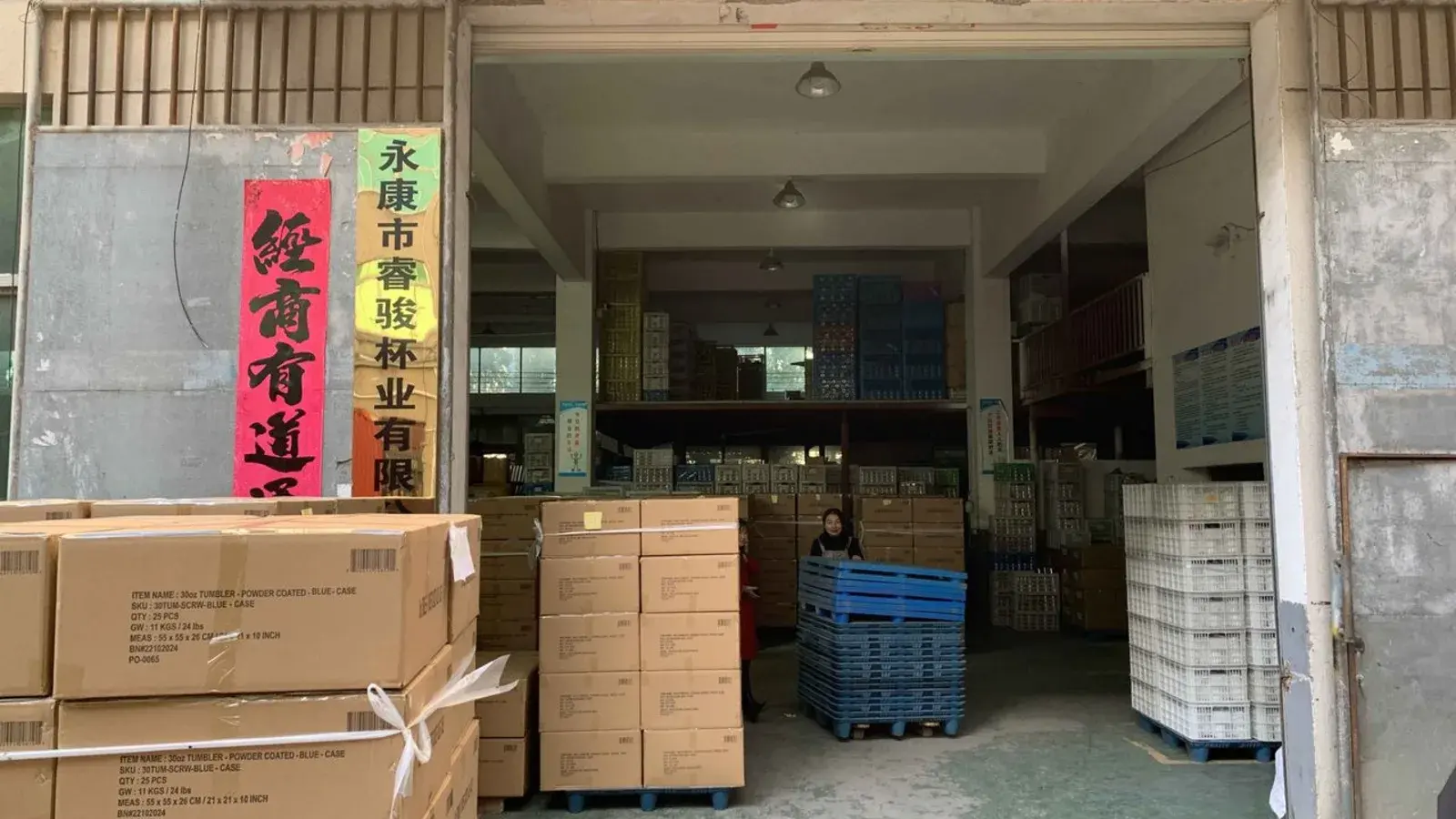
Packaging protects the product and affects customer experience. Inspect retail box quality, inner packaging, polybags, protective materials, inserts, manuals, accessory bags, carton packing method, quantity per carton, product orientation, packaging print quality, and branding.
Labeling mistakes can create warehouse delays, Amazon receiving problems, relabeling costs, or unsellable inventory. Check product labels, retail packaging labels, barcode placement, barcode number, barcode readability, SKU labels, country of origin marking where required, warning labels, manuals, inserts, brand labels, and carton labels.
Carton markings and shipping marks should match logistics requirements, including item number, SKU, product name, carton number, quantity per carton, gross weight, net weight, carton dimensions, handling symbols, buyer code, destination, purchase order number, carton sequence, product reference, and forwarder or warehouse reference where required.
Amazon FBA, AQL Sampling, and Inspection Reports
An Amazon FBA inspection should pay special attention to FNSKU or barcode label placement, barcode scannability, correct SKU on each unit, carton label placement, packaging condition, polybag warnings, bundle or set labels, suffocation warnings where relevant, unit packaging, carton weight, carton dimensions, and whether mixed SKUs are intentionally packed and documented.
AQL stands for Acceptable Quality Limit. In many product inspections, AQL sampling is used to select a representative number of units from the order instead of checking every unit. It helps buyers decide how many units should be checked, how many defects are acceptable, and whether the lot should pass, fail, or require review.
A strong inspection report should include product photos, packaging photos, carton photos, label and barcode photos, defect close-ups, measurement photos, function test evidence where relevant, quantity observations, assortment observations, defect breakdown, packaging observations, shipment-readiness conclusion, and recommended next steps.
| Defect Type | Meaning | Example |
|---|---|---|
| Critical defect | Could create safety risk, regulatory concern, or make the product unacceptable. | Exposed wire, sharp edge, unsafe component. |
| Major defect | Likely to affect saleability, function, appearance, or customer acceptance. | Product does not work, wrong material, visible damage. |
| Minor defect | Does not usually affect function but shows workmanship inconsistency. | Small cosmetic mark, slight print imperfection. |
Final Decision Before Shipment
After receiving the PSI report, the buyer must make a commercial decision. The inspection does not replace the buyer final decision. It gives the buyer better evidence to approve shipment, hold payment, request rework, arrange re-inspection, or reject the shipment.
Photos are especially useful when discussing corrections with an Alibaba supplier. Instead of saying quality is bad, you can point to specific defects and request specific rework.
| Inspection Result | Buyer Decision |
|---|---|
| Passed with no significant issues | Approve shipment and payment according to your agreement. |
| Minor issues found | Approve shipment, request small corrections, or document supplier performance. |
| Major issues found | Hold payment, request rework, and consider re-inspection. |
| Critical issues found | Do not ship until corrected and reviewed. |
| Quantity or labeling issues found | Require correction before shipment or Amazon FBA delivery. |
Complete Pre-Shipment Inspection Checklist Table
| Checklist Area | What to Check | Evidence to Request |
|---|---|---|
| Product quantity | Total units, SKUs, variants, colors, and sizes. | Count photos and packing list comparison. |
| Workmanship | Scratches, cracks, stains, dents, poor stitching, and missing parts. | Defect close-ups. |
| Product specifications | Model, material, construction, finish, and accessories. | Product photos and comparison notes. |
| Dimensions and weight | Product size, unit weight, carton size, and carton weight. | Measurement photos. |
| Colors and materials | Color, texture, finish, material, and component quality. | Approved sample comparison photos. |
| Functionality testing | Product-specific on-site tests. | Test photos or videos where available. |
| Safety checks | Sharp edges, exposed wires, loose parts, and missing warnings. | Safety-related defect photos. |
| Packaging inspection | Retail box, inner packing, inserts, and protection. | Packaging photos. |
| Labeling and barcodes | SKU labels, barcodes, warnings, and manuals. | Label and barcode photos. |
| Carton markings | SKU, carton number, quantity, weights, and dimensions. | Carton marking photos. |
| Amazon FBA requirements | FNSKU, carton labels, packaging, and bundle labels. | Unit and carton label photos. |
| Final decision | Pass, hold, rework, re-inspect, or reject. | Shipment-readiness conclusion. |
Pre-Shipment Inspection vs. Other Quality Control Checks
A pre-shipment inspection is not the only type of quality control inspection. The right inspection depends on the production stage.
For a first order from an Alibaba supplier, many importers start with a factory audit or production-stage inspection, then use PSI before final payment.
| Inspection Type | When It Happens | Best For |
|---|---|---|
| Initial Production Check | At the start of production or first batch. | Checking materials, components, first pieces, and production readiness. |
| During Production Inspection | While production is still running. | Catching issues before the full order is completed. |
| Pre-Shipment Inspection | When goods are complete or close to complete. | Final verification before shipment and payment. |
| Container Loading Supervision | On loading day. | Checking loading condition, carton counts, handling, and seal details. |
| Factory Audit | Before onboarding or scaling a supplier. | Reviewing supplier capability, process, and operational risk. |
What Can Go Wrong Without a Pre-Shipment Inspection?
Skipping inspection may save time upfront, but it can create larger problems later. The supplier may ship fewer units than ordered, produce goods that do not match the approved sample, use the wrong color or material, pack products poorly, apply incorrect labels, miss Amazon FBA requirements, or ship cartons with major defects.
For importers, ecommerce brands, and Amazon sellers, the real cost is often not just the defective unit. It can include freight, storage, relabeling, rework, returns, negative reviews, lost sales, and delayed launches.
How This Helps Different Types of Importers
For Amazon FBA sellers, a PSI helps verify product condition, packaging, labels, barcodes, carton markings, and shipment readiness before inventory goes to Amazon.
For ecommerce brands, inspection helps protect customer experience by checking that the product, packaging, branding, and accessories match the listing and brand promise.
Private label businesses need consistency between samples, first batches, and repeat orders. Sourcing managers and procurement teams need evidence before approving supplier payment and shipment across multiple suppliers and product lines.
Where Asia Product Inspections Can Help
Asia Product Inspections provides on-the-ground inspection, audit, and quality control support across Asia, including China, Vietnam, India, Indonesia, Pakistan, and the Philippines.
For pre-shipment inspections, Asia Product Inspections can help buyers check finished products, packaging, labels, cartons, and shipment readiness before goods leave the factory. The inspection can be aligned with your specification sheet, approved sample, packaging standard, or agreed checklist.
For active or repeat clients, the Inspection Portal App can help centralize inspection requests, status tracking, reports, photos, files, and inspection-specific communication.
| Service | When to Use It |
|---|---|
| Product Inspection | When you need help matching the inspection scope to your production stage. |
| Pre-Shipment Inspection | Before final payment and shipment. |
| During Production Inspection | While production is still running. |
| Initial Production Check | At the start of production. |
| Factory Audit | Before onboarding or scaling a supplier. |
| Container Loading Supervision | During shipment loading. |
Conclusion: Do Not Pay Blindly Before Shipment
Verifying an Alibaba supplier before payment is not just about checking the supplier profile or reviewing production photos. The real question is whether the finished goods match your order before they leave the factory.
A practical pre-shipment inspection checklist helps you verify quantity, workmanship, specifications, dimensions, weight, colors, materials, components, functionality, safety points, packaging, labels, barcodes, carton markings, shipping marks, Amazon FBA requirements, defect classification, AQL sampling, photos, and final shipment readiness.
For importers, Amazon FBA sellers, ecommerce brands, private label businesses, sourcing managers, and procurement teams, this evidence can make the difference between a controlled shipment decision and an expensive surprise after arrival.
Need a pre-shipment inspection in Asia? Contact Asia Product Inspections before your supplier ships your goods and request a quote for China, Vietnam, India, Indonesia, Pakistan, or the Philippines.
FAQ
FAQ: Verifying an Alibaba Supplier Before Payment
01What is included in a pre-shipment inspection?
+
A pre-shipment inspection may include product quantity, assortment, workmanship, visual defects, measurements, specification points, labeling, manuals, barcodes, packaging, carton condition, packing accuracy, and selected on-site function tests where relevant.
02Should I inspect goods before paying my Alibaba supplier?
+
Yes. If your payment terms require a final balance before shipment, a PSI gives you evidence before releasing payment and approving dispatch.
03When should I book a pre-shipment inspection?
+
Book the inspection when the order is complete or close to complete, and enough units are packed for representative sampling. The inspection should happen before final payment and before goods leave the factory.
04Can I use my own product inspection checklist?
+
Yes. A buyer should provide a specification sheet, approved sample details, packaging standard, label files, barcode requirements, and any product-specific test instructions.
05Does pre-shipment inspection include packaging checks?
+
Yes. Inspectors may check retail packaging, inner packing, carton condition, packing accuracy, labels, barcodes, and carton markings when relevant to the order.
06Does PSI include Amazon FBA label checks?
+
A PSI can include Amazon FBA-related checks when the buyer provides the correct label files, packaging requirements, carton label details, and shipment instructions.
07What is AQL sampling?
+
AQL sampling is a structured way to select a representative sample from the order and evaluate defects against agreed acceptance criteria. It helps buyers make clearer pass, hold, rework, or reject decisions.
08What happens if the inspection fails?
+
If the inspection finds major or critical issues, the buyer can ask the supplier to rework, replace, repack, relabel, or correct the goods before shipment. In some cases, a re-inspection may be needed before final approval.
09Is supplier QC enough?
+
Supplier QC can be useful, but it is not the same as buyer-side inspection. An independent inspection gives the buyer direct evidence before shipment.
10Do I need a factory audit before ordering from Alibaba?
+
For new suppliers, high-value orders, custom products, or long-term sourcing relationships, a factory audit can help review supplier capability, quality control process, production flow, and operational risks before you commit or scale.