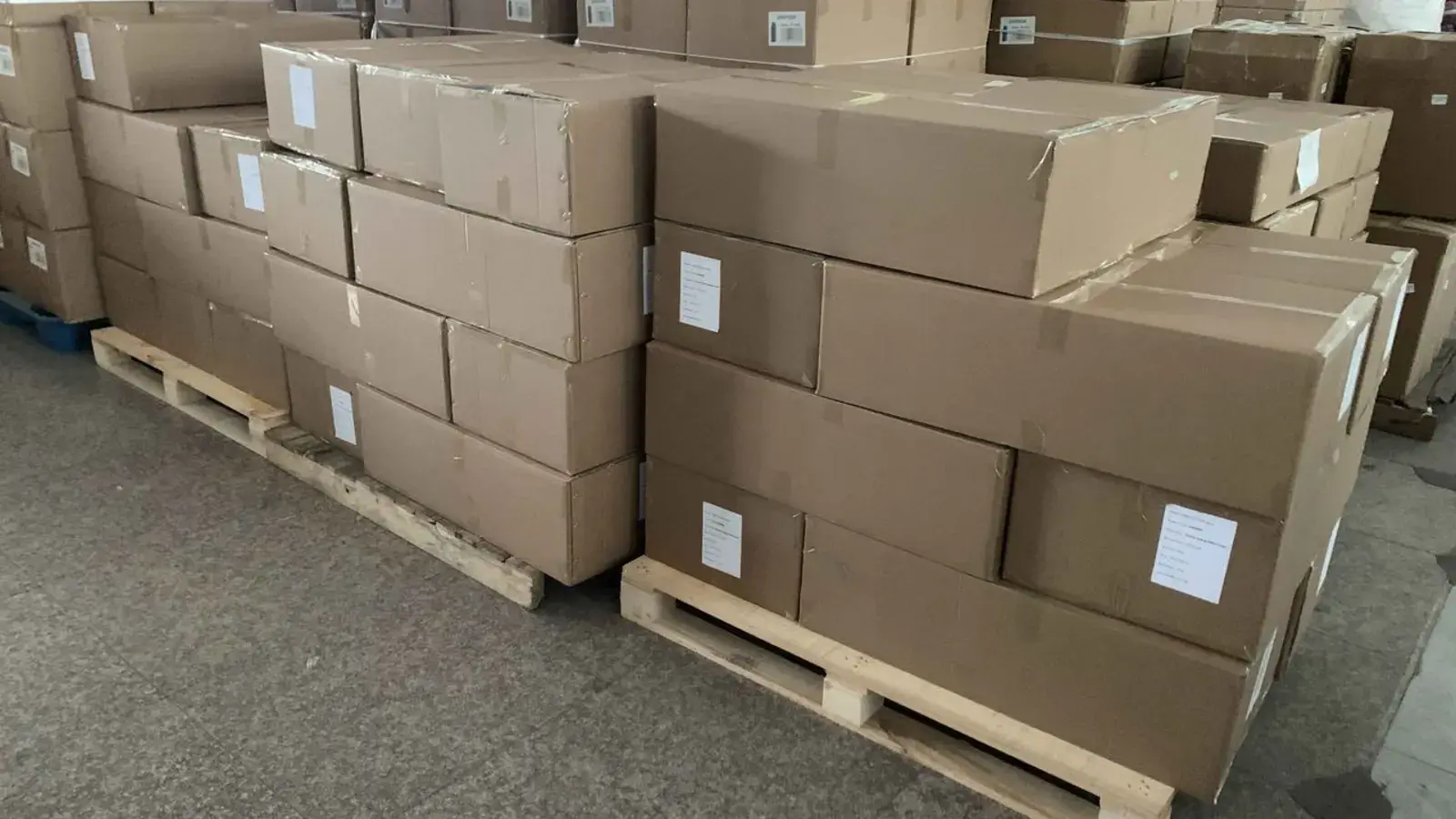
Pre-Shipment Inspection Checklist for Importers
Importing products from Asia can be profitable, but it also comes with practical quality risks. A supplier may say production is finished, packaging may look ready, and the shipment date may already be booked. Without a final quality control inspection, importers may be approving goods they have not physically verified.
A pre-shipment inspection checklist helps importers, Amazon FBA sellers, ecommerce brands, private label businesses, sourcing managers, and procurement teams confirm that goods are acceptable before they leave the factory.
This guide explains what a pre-shipment inspection is, when to book one, what inspectors usually check, and how to use a practical PSI checklist before approving shipment.
Need to verify your goods before they ship? Asia Product Inspections can inspect products against your specifications, approved sample, packaging standard, or agreed checklist before your supplier dispatches the order.
What Is a Pre-Shipment Inspection?
A pre-shipment inspection, often called a PSI, is a final inspection performed before goods leave the factory. It is usually carried out when production is complete or close to complete, and enough units are packed for representative sampling.
The goal is to check whether finished products match the buyer's requirements before shipment approval. For importers, a PSI is not just paperwork. It provides field evidence before the goods are shipped, giving the buyer a clearer basis for deciding whether to approve shipment, request rework, sort defective units, or discuss corrective actions with the supplier.
| Inspection area | What it covers |
|---|---|
| Product quantity | Units, SKUs, sizes, colors, variants, and assortment |
| Workmanship | Visual defects, finishing issues, and construction problems |
| Specifications | Dimensions, weight, materials, colors, and components |
| Functionality | Product-specific on-site function tests where relevant |
| Packaging | Retail boxes, inner packing, cartons, and protection |
| Labeling | Manuals, labels, barcodes, warnings, and shipping marks |
| Carton condition | Carton strength, condition, markings, and packing accuracy |
| Defect summary | Major, minor, and critical issues where applicable |
| Final decision | Shipment-readiness conclusion and recommended next steps |
Why Importers Need a Pre-Shipment Inspection
When goods are still at the factory, problems are usually easier to document, discuss, and correct. Once products have shipped, quality issues become more expensive and harder to resolve.
For companies importing from China or importing from Asia more broadly, a PSI creates a practical checkpoint between production completion and shipment approval.
- Receiving defective, damaged, or unfinished goods.
- Paying the final supplier balance without independent evidence.
- Shipping products with incorrect labels or barcodes.
- Discovering missing components after arrival.
- Sending non-compliant packaging to Amazon FBA or another warehouse.
- Receiving the wrong colors, sizes, SKUs, or assortment.
- Facing customer complaints, returns, or negative reviews.
- Losing time due to rework after the shipment has already arrived.
When Should You Book a Pre-Shipment Inspection?
A pre-shipment inspection should normally be booked when the order is complete or close to complete, and when enough units are packed to allow representative sampling.
A PSI is different from a factory inspection or factory audit. A factory audit checks supplier capability and operational risk before placing or scaling orders. A pre-shipment inspection checks finished goods before they leave the factory.
| Order stage | Is PSI suitable? | Why |
|---|---|---|
| Raw materials received | No | Too early; consider an Initial Production Check. |
| First units produced | Not usually | Useful for early checks, but not final shipment approval. |
| 20%-80% production completed | Not ideal for PSI | Consider During Production Inspection. |
| Production complete or almost complete | Yes | Finished goods can be sampled and checked. |
| Goods packed and ready for dispatch | Yes | Best stage for packaging, labeling, cartons, and shipment-readiness checks. |
| Container loading day | Different service | Consider Container Loading Supervision. |
Planning a shipment from China, Vietnam, India, Indonesia, Pakistan, or the Philippines? Contact Asia Product Inspections before your supplier ships so the right inspection scope can be confirmed.
What to Prepare Before a Pre-Shipment Inspection
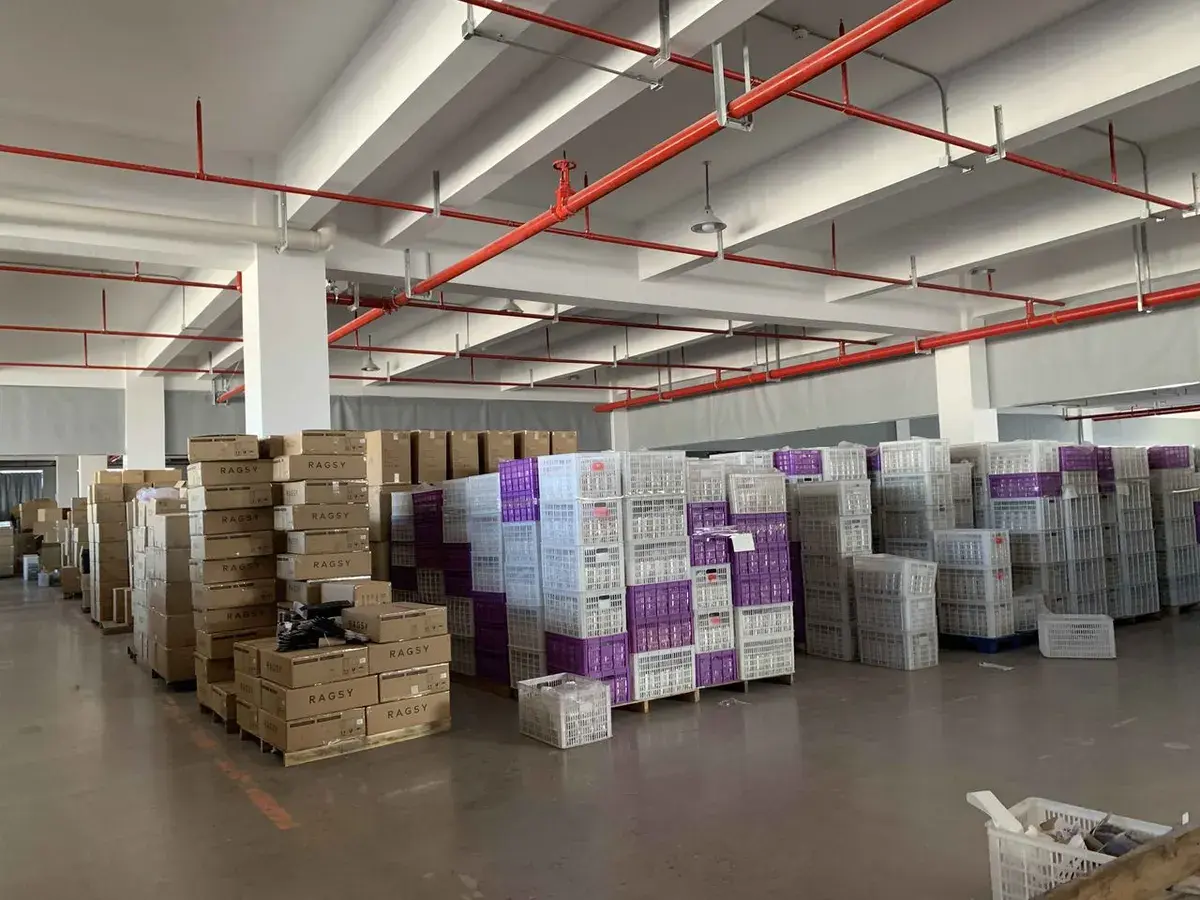
A good inspection depends on clear buyer requirements. Before the inspector visits the factory, prepare the documents and reference points needed to compare the goods against your expectations.
For ecommerce brands and private label sellers, the most important preparation is usually the product specification sheet. Without clear specifications, inspectors can still check visible defects and packaging, but it becomes harder to judge whether the product truly matches what the buyer ordered.
| Item | Why it matters |
|---|---|
| Purchase order | Confirms quantities, SKUs, variants, and order details. |
| Product specification sheet | Defines dimensions, materials, colors, components, and tolerances. |
| Approved sample or sample photos | Helps compare production output against the accepted reference. |
| Packing list | Supports quantity and carton checks. |
| Packaging standard | Defines retail box, inner packing, master carton, and protection requirements. |
| Label and barcode files | Helps verify labels, barcodes, warnings, and markings. |
| Function test instructions | Tells the inspector which product-specific tests matter. |
| Defect classification rules | Clarifies what should be treated as minor, major, or critical. |
| Factory location | Needed to organize the on-site inspection. |
| Target shipment date | Helps schedule the inspection before goods leave the factory. |
1. Product Quantity and Assortment
The first part of a product inspection checklist is confirming that the order quantity and assortment match the purchase order and packing list.
Example: An ecommerce brand orders 5,000 units in three colors. The supplier confirms production is finished, but the inspection finds one color underproduced and another color overpacked.
Why it matters: Quantity and assortment errors can create stockouts, warehouse receiving problems, incorrect marketplace inventory, and customer service issues.
- Total finished quantity.
- Number of packed units.
- SKU breakdown.
- Color and size assortment.
- Model or variant mix.
- Missing units or overproduction.
- Carton count compared with the packing list.
2. Workmanship and Visual Defects
Workmanship checks help identify visible product defects before shipment. This is one of the most important parts of any quality control inspection.
Example: A private label brand imports home products with a premium finish. The products function correctly, but many sampled units show scratches, uneven coating, or visible glue marks.
Why it matters: Workmanship defects directly affect customer perception. For Amazon FBA sellers and ecommerce brands, visible defects can quickly turn into negative reviews and higher return rates.
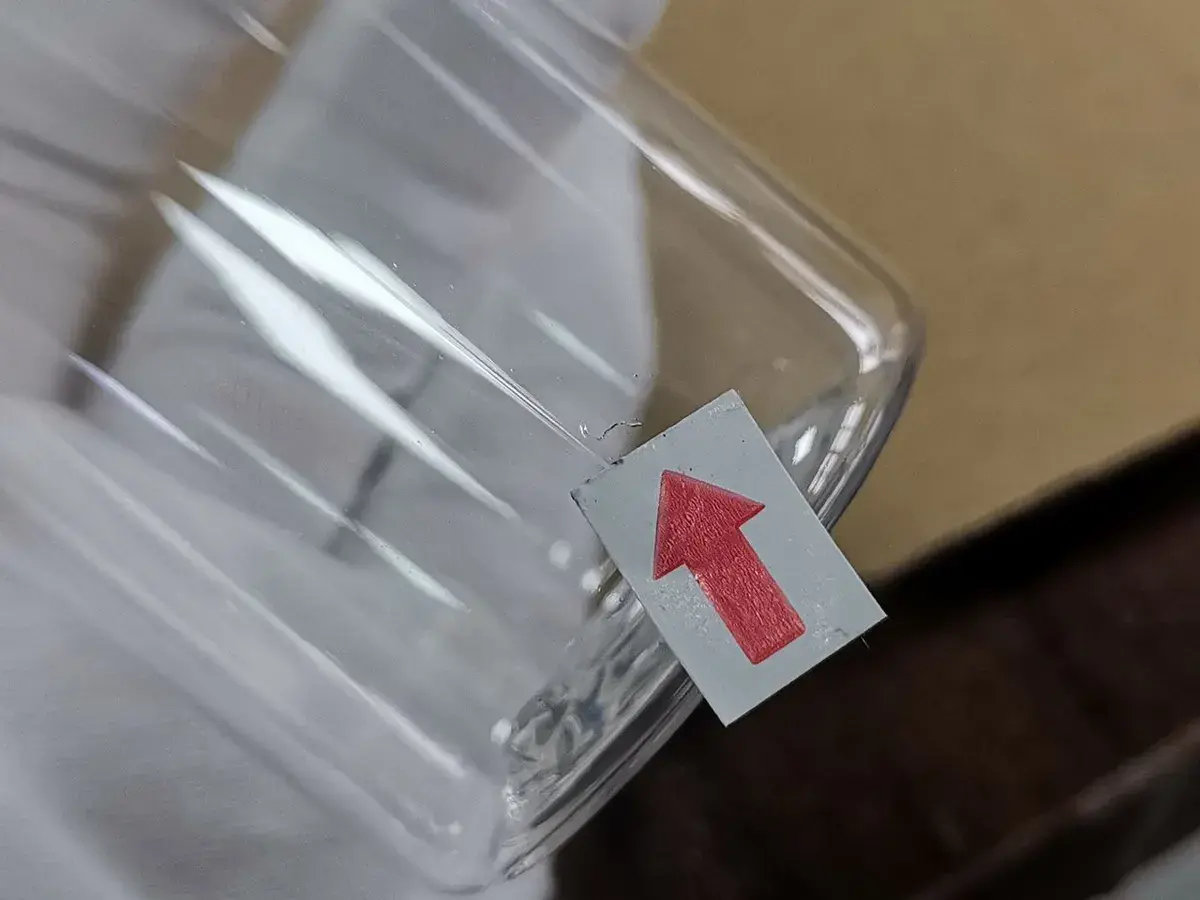
- Scratches, cracks, dents, stains, glue marks, and poor finishing.
- Poor stitching, loose threads, sharp edges, rust, or corrosion.
- Missing parts, broken components, incorrect assembly, or cosmetic inconsistency.
3. Product Specifications
A product quality checklist should always verify whether the goods match the agreed specifications.
Example: A procurement team orders metal components with strict dimensional requirements. During inspection, some sampled units are found outside the agreed tolerance.
Why it matters: Small deviations can create major problems, especially for products that must fit, connect, assemble, stack, or function with other parts.
- Product model, size, dimensions, and weight.
- Materials, components, color, finish, and construction.
- Accessories, tolerances, and approved sample comparison.
4. Dimensions and Weight
Dimensions and weight should be checked against the buyer's specification sheet, approved sample, or agreed tolerance range.
Why it matters: Incorrect dimensions can affect product usability, packaging fit, shipping cost, warehouse handling, and marketplace listing accuracy.
For Amazon FBA sellers, carton size and weight issues can also create receiving or logistics complications if they do not match shipment plans.
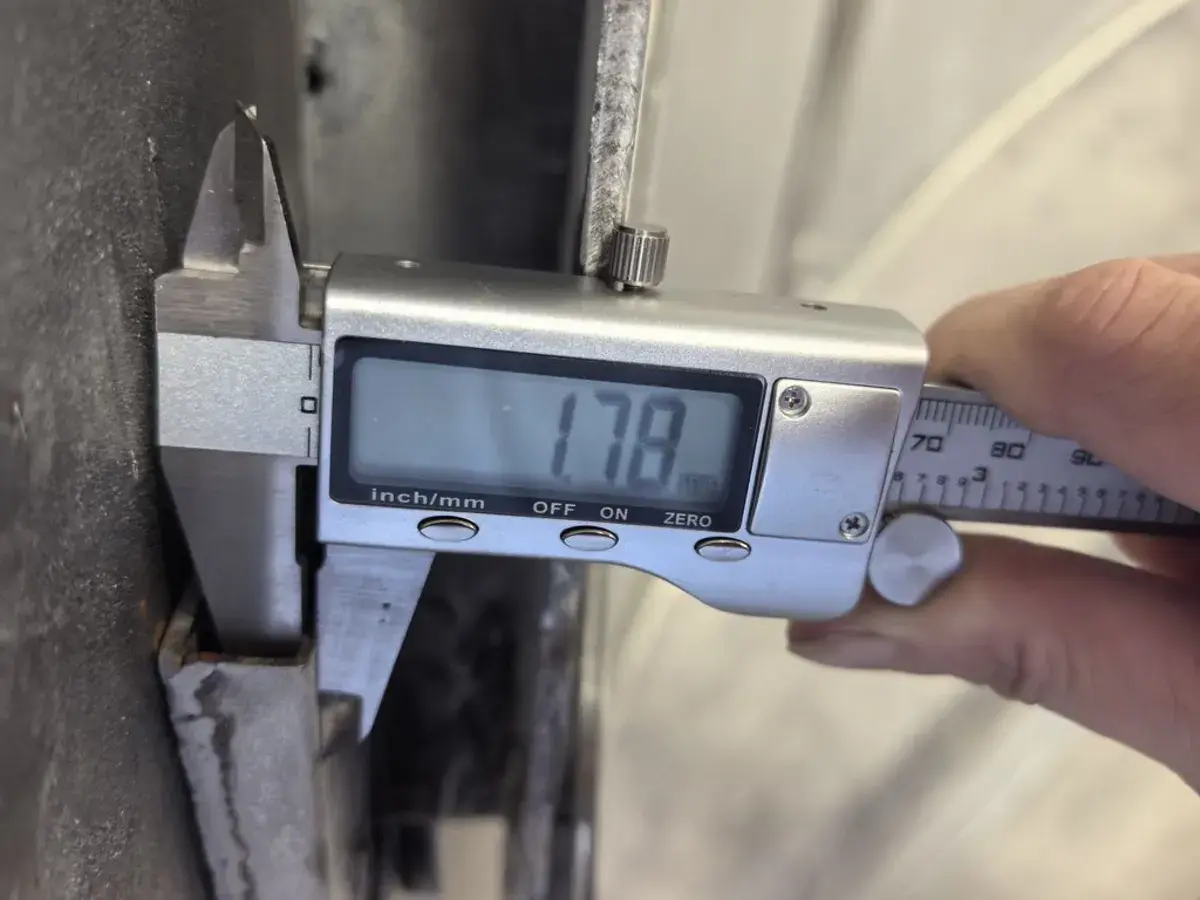
- Product length, width, and height.
- Product weight and component dimensions.
- Retail packaging dimensions.
- Carton dimensions, gross weight, and net weight where relevant.
5. Colors, Materials, and Components
Color, material, and component checks are especially important for private label products, apparel, furniture, electronics accessories, packaging, and consumer goods.
Example: A brand approves a beige sample but receives a production batch that appears more yellow under normal lighting. A PSI can document the difference with photos before shipment approval.
Why it matters: Material and color inconsistency can make a product look cheaper than expected, create listing mismatches, or damage brand consistency across batches.
- Product color compared with the approved sample or color reference.
- Material type, surface finish, and component quality.
- Accessories, screws, cables, manuals, inserts, spare parts, and branding elements.
- Product consistency across sampled units.
6. Functionality Testing
A pre-shipment inspection may include selected on-site function tests where relevant to the product.
Example: An Amazon seller imports a small household product with several accessories. During inspection, the product looks acceptable visually, but one accessory does not fit correctly during a basic function check.
Why it matters: A product can look acceptable but fail in real use. Functionality testing helps identify usability problems that may not be visible during a cosmetic inspection.
- Power on/off, button, switch, assembly, fit, load, or stability checks.
- Basic performance checks and simple use-case simulation.
- Opening and closing tests, moving parts checks, and accessory compatibility.
7. Safety Checks
A PSI is not a substitute for formal laboratory testing or legal compliance certification. However, inspectors can still check visible safety-related issues during a product inspection.
Why it matters: Visible safety issues can lead to customer complaints, returns, product liability concerns, or blocked sales channels. If formal validation is required, importers may also need laboratory testing coordination based on the product and destination market.
- Sharp edges, loose parts, exposed wires, broken components, or weak assembly.
- Choking-hazard concerns for small detachable parts where relevant.
- Warning labels, user manuals, safety markings, and packaging warnings.
8. Packaging Inspection
Packaging is not just about appearance. It protects the product, supports warehouse handling, and communicates the brand to the end customer.
Example: A private label seller approves premium packaging with a matte finish. During inspection, the product is correct, but several retail boxes are crushed or printed with inconsistent colors.
Why it matters: Poor packaging can cause damage during transport, reduce perceived product value, and create problems for ecommerce fulfillment.
- Retail box quality, inner packaging, protective materials, polybags, inserts, and manuals.
- Product placement inside packaging and included accessories.
- Packaging damage, dimensions, artwork, print quality, and consistency across units.
Need a checklist adapted to your product and packaging? Asia Product Inspections can inspect against your specification sheet, approved sample, packaging standard, or agreed checklist.
9. Labeling and Barcode Checks
Labeling and barcode mistakes are common and costly, especially for Amazon FBA sellers, ecommerce warehouses, and retail distribution.
Example: An Amazon FBA shipment is packed and ready, but the barcode on the retail packaging does not match the intended SKU. If shipped, the inventory may be misidentified, delayed, or rejected during receiving.
Why it matters: Labeling errors can create warehouse delays, receiving issues, wrong-product complaints, and inventory management problems.
- Product labels, SKU labels, barcode, and FNSKU where relevant.
- Country of origin label, warning labels, manual language, and care labels where relevant.
- Retail packaging text, carton labels, and barcode scannability where relevant and possible on-site.
10. Carton Markings
Cartons should be checked for accuracy, condition, and consistency with the packing list and buyer requirements.
Why it matters: Incorrect carton markings can cause shipment confusion, warehouse receiving errors, and problems matching physical goods to documents.
- Carton count, carton numbers, SKU or item code, and quantity per carton.
- Gross weight, net weight where relevant, and carton dimensions.
- Handling marks, fragile marks, orientation marks, carton condition, and correct packing method.
11. Shipping Marks
Shipping marks help identify cartons during transport, warehousing, and receiving.
Why it matters: Shipping mark mistakes can create confusion during logistics, especially when importers manage multiple suppliers, destinations, or product lines.
- Consignee or buyer reference where applicable.
- Purchase order number, destination marks, carton sequence numbers, and product code or SKU.
- Handling instructions, shipping label placement, and consistency across cartons.
12. Amazon FBA Requirements
Amazon FBA sellers should add marketplace-specific checks to their inspection scope. The exact requirements depend on the product, destination marketplace, and current Amazon instructions, so sellers should provide the supplier and inspector with the latest shipment and labeling requirements.
Why it matters: For Amazon sellers, poor inspection can lead to receiving delays, customer returns, listing issues, and avoidable negative reviews. A PSI does not replace the seller's responsibility to follow Amazon's rules, but it can help verify that the supplier packed and labeled goods according to the instructions provided.
- FNSKU labels, barcode accuracy, barcode placement, carton labels, and product condition.
- Product packaging condition, polybag warnings, suffocation warnings, and packaging rules where relevant.
- Carton weight and size against the shipment plan, bundling accuracy, multipack labels, set labels, and sold-as-set labels where relevant.
13. Defect Classification
Defects should be documented clearly so the buyer can decide what to do next. Many inspections classify defects by severity.
Why it matters: Defect classification helps importers avoid emotional or unclear decisions. Instead of simply saying quality is bad, the inspection report can show what defects were found, how serious they are, and whether they appear isolated or repeated.
| Defect type | Meaning | Example |
|---|---|---|
| Critical defect | A serious issue that may affect safety, legality, or usability. | Exposed wiring or dangerous sharp edge. |
| Major defect | A defect likely to affect saleability or customer acceptance. | Product does not function, wrong component, or visible damage. |
| Minor defect | A smaller issue that may not affect function but affects appearance or finish. | Light scratch or small print imperfection. |
14. AQL Sampling
AQL stands for Acceptable Quality Limit. In many product inspections, AQL sampling is used to decide how many units should be checked and what level of defects may be acceptable based on the buyer's requirements.
Why it matters: AQL sampling creates a structured way to inspect a shipment without checking every unit. It helps buyers make a more consistent decision based on sampled evidence.
Importers should define their expectations before the inspection, especially for high-risk products, premium goods, or products with strict customer requirements.
- Inspection lot size and sampling level.
- Acceptable quality limits.
- Critical, major, and minor defect thresholds.
- Whether any defect should trigger automatic rejection.
- Product-specific must-pass checks.
15. Photos and Inspection Report
A strong inspection report should be clear, practical, and easy to act on.
Why it matters: Photo evidence is useful because it allows the buyer to see the issue directly, share findings internally, and discuss corrective action with the supplier.
- Inspection summary, product details, quantity findings, and defect breakdown.
- Workmanship observations, measurement results, packaging observations, and labeling or barcode findings.
- Carton condition notes, function test results where relevant, photos of inspected goods, close-up photos of defects, shipment-readiness conclusion, and recommended next steps.
16. Final Decision Before Shipment
The final step of a pre-shipment inspection is deciding whether the goods are ready to ship.
Why it matters: The inspection does not make the business decision for the buyer. It gives the buyer clearer evidence before deciding whether to approve, delay, correct, or reject shipment.
| Outcome | What it means | Buyer action |
|---|---|---|
| Accept shipment | Findings are within acceptable limits. | Approve shipment. |
| Accept with comments | Minor issues found but buyer may still ship. | Approve with documented awareness. |
| Hold shipment | Issues require review before approval. | Discuss with supplier before shipment. |
| Request sorting or rework | Defects must be corrected or removed. | Reinspect or request evidence after correction. |
| Reject shipment | Findings are not acceptable. | Stop shipment until resolved. |
Complete Pre-Shipment Inspection Checklist Table
Use this table as a compact reference when preparing a PSI scope with your supplier, inspector, or internal sourcing team.
| Inspection area | What to check | Why it matters | Evidence to request |
|---|---|---|---|
| Product quantity | Units, SKUs, variants, size/color breakdown. | Avoid incomplete or incorrect shipment. | Count photos and packing list comparison. |
| Workmanship | Scratches, cracks, stains, dents, poor stitching, missing parts. | Avoid returns and customer complaints. | Defect close-ups. |
| Specifications | Measurements, material, color, finish, components. | Confirm product matches order. | Measurement photos and sample comparison. |
| Dimensions and weight | Product size, carton size, product weight, carton weight. | Avoid logistics, listing, and fit issues. | Measurement and scale photos. |
| Materials and components | Materials, accessories, parts, construction. | Confirm product matches the approved specification. | Component and material photos. |
| Functionality | Product-specific tests where relevant. | Catch usability failures before shipment. | Test photos or short videos where available. |
| Safety | Visible sharp edges, loose parts, warnings, manuals. | Identify obvious safety-related concerns. | Close-up photos and notes. |
| Packaging | Retail box, inner packing, carton protection. | Reduce damage and mispacking. | Packaging photos. |
| Labeling and barcodes | Product labels, manuals, barcodes, FNSKU where relevant. | Avoid warehouse and marketplace issues. | Label and barcode photos. |
| Carton markings | Carton count, item code, quantity, weight, carton number. | Support receiving and logistics accuracy. | Carton marking photos. |
| Shipping marks | Destination marks, PO numbers, handling marks. | Reduce shipment identification errors. | Shipping mark photos. |
| Amazon FBA checks | FNSKU, carton labels, packaging, warnings, set labels. | Reduce Amazon receiving and customer issues. | Label and carton photos. |
| Defect classification | Critical, major, and minor defects. | Support clear shipment decisions. | Defect list and photos. |
| AQL sampling | Sample size and defect limits. | Make inspection decisions more structured. | AQL result summary. |
| Final decision | Pass/fail/risk summary and rework needs. | Decide whether to ship. | Report summary and shipment-readiness conclusion. |
Pre-Shipment Inspection vs During Production Inspection
Importers sometimes confuse pre-shipment inspection with during production inspection. Both are useful, but they happen at different stages.
A PSI is ideal when goods are almost ready to ship. If you are worried about problems developing earlier in production, a During Production Inspection may be more appropriate.
| Inspection type | When it happens | Best for |
|---|---|---|
| Initial Production Check | At the start of production or first batch. | Checking materials, first pieces, and readiness. |
| During Production Inspection | While production is still running. | Catching defects before the whole order is finished. |
| Pre-Shipment Inspection | When goods are complete or close to complete. | Final shipment approval. |
| Container Loading Supervision | On loading day. | Checking loading, carton counts, handling, and seal details. |
What Can Go Wrong Without a Pre-Shipment Inspection?
Without a final supplier quality control checkpoint, importers may only discover problems after the goods arrive.
For B2B importers, the financial risk is not only the defective product. It can also include delayed sales, customer complaints, warehouse costs, rework costs, replacement shipments, and time spent negotiating with suppliers after the fact.
- Wrong quantity shipped or wrong SKU mix.
- Incorrect colors or sizes.
- Poor workmanship or missing accessories.
- Packaging damage or incorrect barcode labels.
- Cartons marked incorrectly.
- Products failing basic function tests.
- Supplier shipping before problems are reviewed.
- Buyer paying the final balance before seeing the goods.
How a PSI Helps Different Types of Importers
Amazon FBA sellers can verify product condition, packaging, barcode labels, carton labels, and assortment before goods are sent to Amazon or a prep center.
Ecommerce brands can protect customer experience by checking workmanship, packaging quality, components, and function before products are shipped to customers or fulfillment warehouses.
Private label businesses can compare mass production against approved samples, packaging standards, and brand-specific details.
Sourcing managers and procurement teams can use PSI reports to document supplier performance, reduce supplier risk, and support shipment decisions internally.
Countries Where Asia Product Inspections Can Support Importers
Asia Product Inspections provides inspection, audit, quality control, and testing support across Asia, including China, Vietnam, India, Indonesia, Pakistan, and the Philippines.
This makes the service relevant for importers sourcing from multiple Asian manufacturing markets, including buyers managing several suppliers across different countries.
How Asia Product Inspections Can Help
Asia Product Inspections helps buyers, brands, importers, and sourcing teams reduce supplier risk through product inspections, factory audits, container loading supervision, social compliance audits, and laboratory testing coordination across Asia.
For pre-shipment inspection, Asia Product Inspections can help verify finished goods against buyer specifications, packaging requirements, and agreed quality expectations before the goods leave the factory.
For active or repeat clients, the Inspection Portal App can also support inspection requests, live status tracking, reports, photos, files, and inspection-specific communication in one workspace.
- Product quantity and assortment.
- Workmanship and visual defects.
- Measurements and specification points.
- Labeling, manuals, barcodes, and packaging.
- Carton condition and packing accuracy.
- Selected on-site function tests where relevant.
- Defect breakdown, photo evidence, and shipment-readiness conclusion.
Before your supplier ships your goods, request a pre-shipment inspection from Asia Product Inspections. Share your product details, factory location, order stage, and target shipment date to confirm the right inspection scope.
Conclusion
A pre-shipment inspection checklist is one of the most practical tools importers can use before approving shipment. It helps verify product quantity, workmanship, specifications, dimensions, materials, functionality, safety, packaging, labels, barcodes, carton markings, shipping marks, and shipment readiness.
For importers, Amazon FBA sellers, ecommerce brands, private label businesses, sourcing managers, and procurement teams, a PSI provides clearer evidence before goods leave the factory. It does not remove every sourcing risk, but it helps buyers make better shipment decisions before problems become more expensive.
Need a pre-shipment inspection in Asia? Contact Asia Product Inspections before your supplier ships your goods and request a product inspection quote for China, Vietnam, India, Indonesia, Pakistan, or the Philippines.
FAQ
FAQ: Pre-Shipment Inspection Checklist
01What is included in a pre-shipment inspection?
+
A pre-shipment inspection may include product quantity, assortment, workmanship, visual defects, measurements, specification points, labeling, manuals, barcodes, packaging, carton condition, packing accuracy, and selected on-site function tests where relevant.
02When should I book a pre-shipment inspection?
+
You should book a pre-shipment inspection when the order is complete or close to complete and enough units are packed for representative sampling.
03Does a pre-shipment inspection include packaging checks?
+
Yes. Packaging, labeling, carton condition, and packing accuracy are important parts of a PSI when relevant to the order.
04Can the inspection follow my own checklist?
+
Yes. A product inspection can be performed against your specification sheet, approved sample, packaging standard, or agreed checklist.
05What is the difference between PSI and DPI?
+
DPI, or During Production Inspection, happens while production is still running. PSI, or Pre-Shipment Inspection, is performed when goods are complete or close to complete and ready for final shipment review.
06Is a pre-shipment inspection useful when importing from China?
+
Yes. When importing from China, a PSI can help verify finished product quality, packaging, labels, cartons, and shipment readiness before goods leave the factory.
07Is a pre-shipment inspection useful when importing from Asia?
+
Yes. A PSI is useful for importers sourcing from Asia because it provides on-site evidence before shipment approval, especially when the buyer cannot personally visit the factory.
08Do Amazon FBA sellers need a pre-shipment inspection?
+
Amazon FBA sellers can benefit from a PSI because it helps verify product condition, packaging, barcodes, labels, carton markings, and assortment before inventory is shipped to Amazon or a prep center.
09What happens if defects are found during inspection?
+
If defects are found, the buyer can review the report, discuss corrective action with the supplier, request sorting or rework, ask for additional evidence, or delay shipment approval until the issue is resolved.
10Is pre-shipment inspection the same as factory audit?
+
No. A factory audit reviews supplier capability, operations, quality systems, and production readiness. A pre-shipment inspection checks finished goods before shipment.